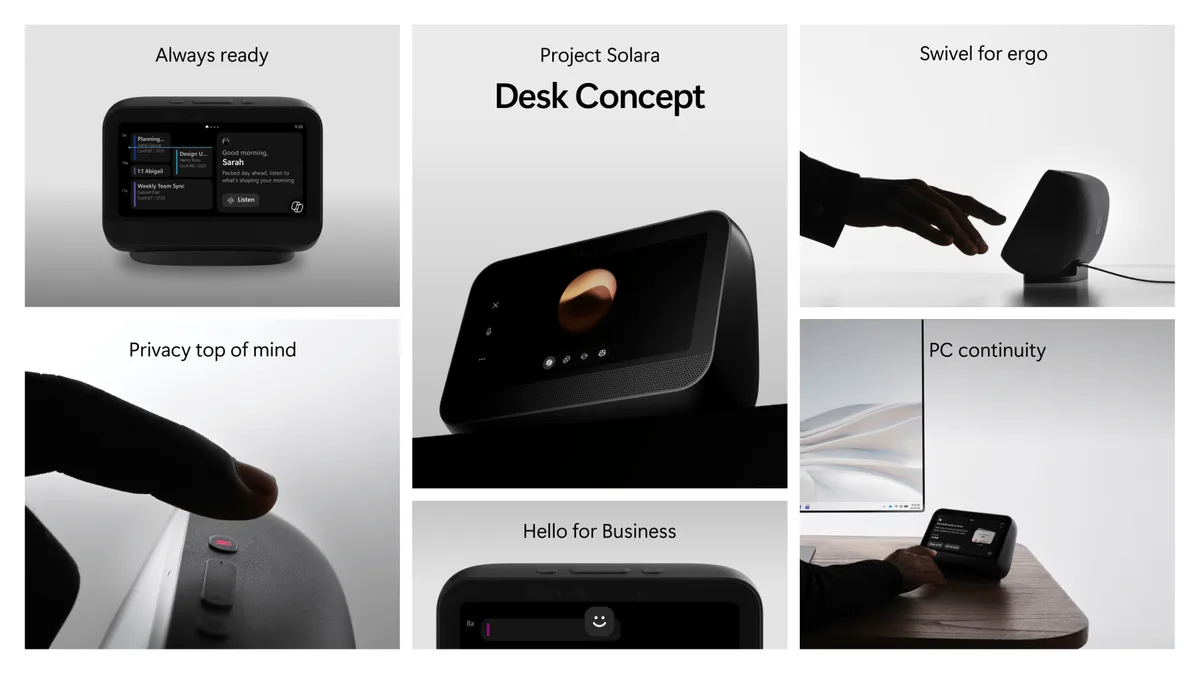
Microsoft officially announced Project Solara on June 3 at its Build 2026 developer conference, revealing an Android-based operating system designed to run AI agents instead of traditional apps [1, 2, 3, 4, 5]. The new OS aims to power AI-first devices by generating just-in-time user interfaces tailored to the user’s context, shifting away from conventional mobile and desktop software [1, 2, 4].
The underlying technology behind Project Solara is the Microsoft Device Ecosystem Platform (MDEP), an open source fork based on the Android Open Source Project (AOSP). Microsoft emphasized that it is not licensed from Google Android, signaling a move toward greater platform independence [1, 2, 4].
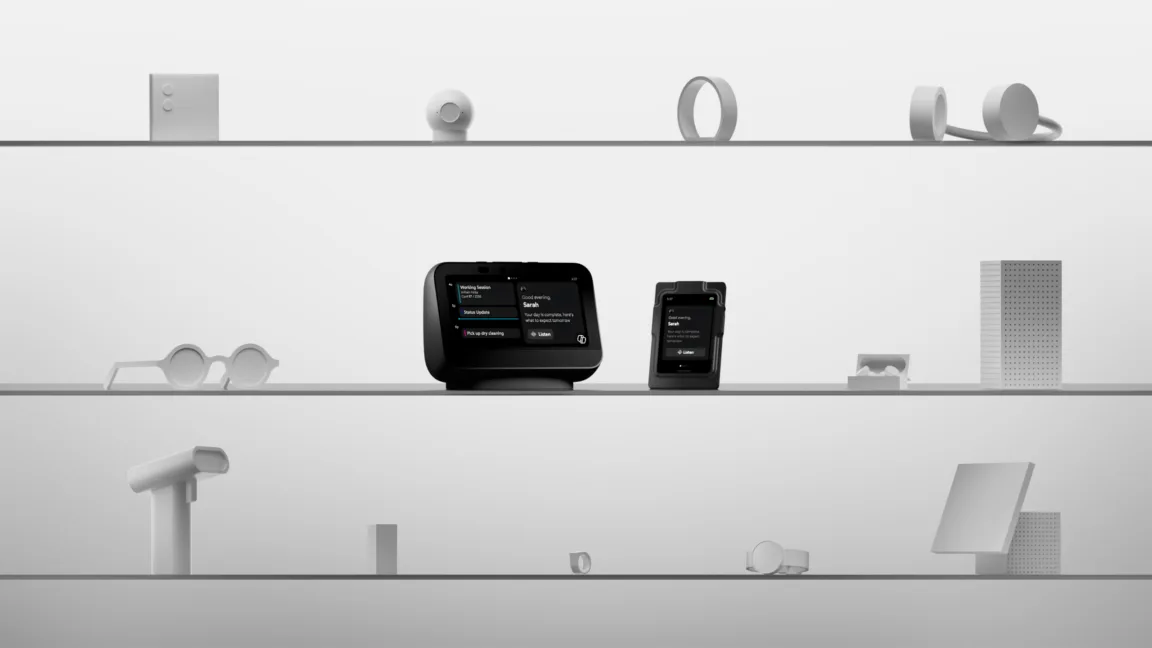
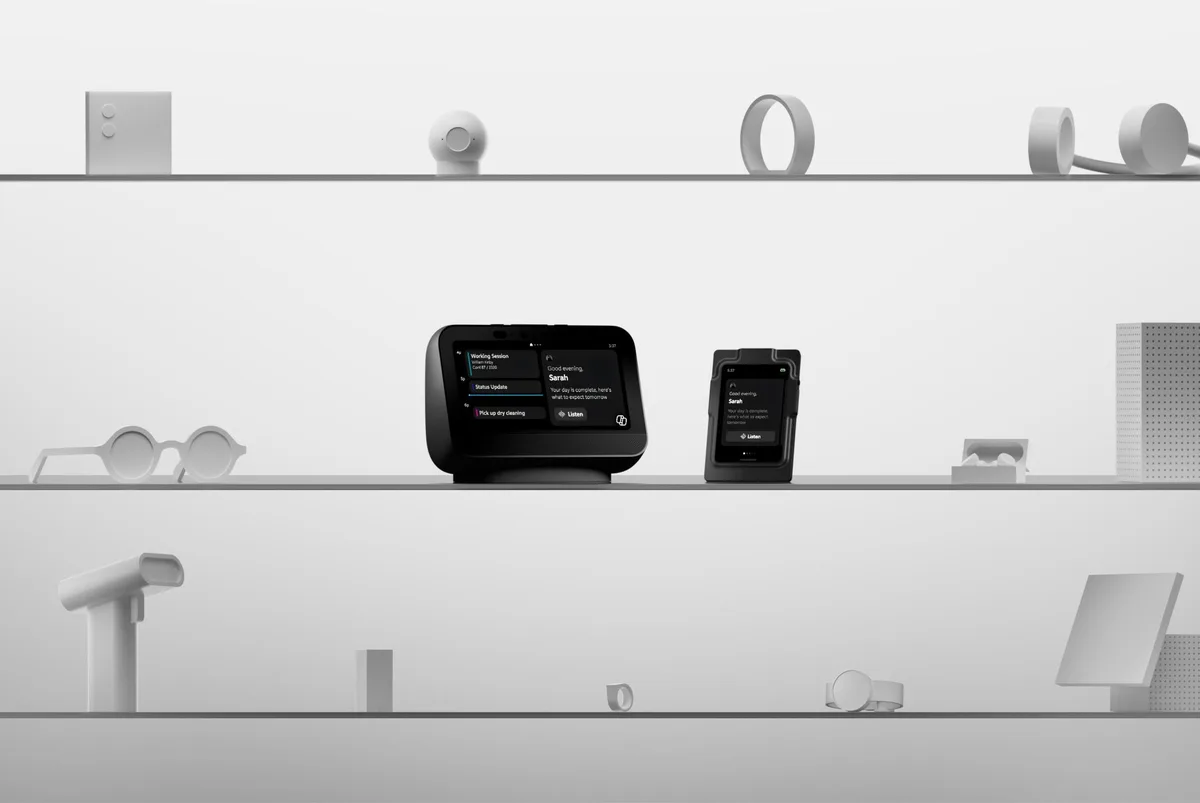
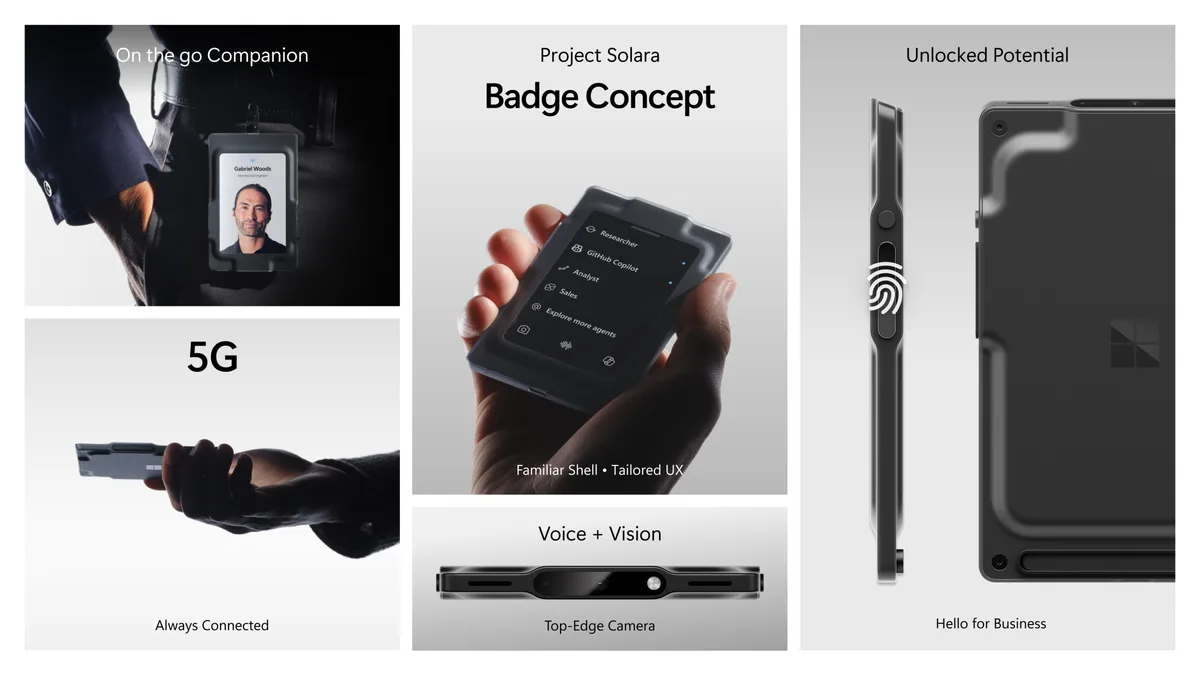
In live demonstrations, Microsoft showcased two concept devices running Project Solara. One is a smart display similar to Amazon’s Echo Show, and the other is a wearable smart badge designed for workplace use [2, 3, 4, 5]. The smart badge includes a camera, fingerprint scanner, microphone, touchscreen, and supports 5G connectivity. It can interact with users through voice commands, recording, and transcription while using Windows Hello for secure biometric authentication [2, 4, 5].
Microsoft Fellow Steven Bathiche described Project Solara as "a highly flexible platform for agent-first devices," highlighting the system’s adaptability for specialized hardware [2]. Microsoft CEO Satya Nadella said, "AI agents will become the new operating system of work," underscoring the company’s focus on AI-driven interactions over traditional app models [4].
The company plans to offer Project Solara as a platform reference design, inviting hardware makers to develop AI agent devices. Pilot programs will include partners such as Target, Best Buy, and CVS Health to test the technology in real-world environments [2, 4].
Alongside Project Solara, Microsoft introduced a personal AI agent named Scout. It integrates with Microsoft 365 apps and runs continuously to automate tasks in the background [4]. Microsoft is also building its own AI inference model called MAI-Thinking-1. This model has 35 billion active parameters and is trained on licensed commercial data to provide cost-effective AI capabilities, reducing dependence on third-party providers like OpenAI [4, 5].
Project Solara is designed as a chip-to-cloud platform meant to liberate AI agents from reliance on any single device interface, enabling seamless AI-driven user experiences across hardware [1, 6]. Microsoft plans to push the platform into hardware pilot testing shortly, setting the stage for broader adoption of AI agent ecosystems.