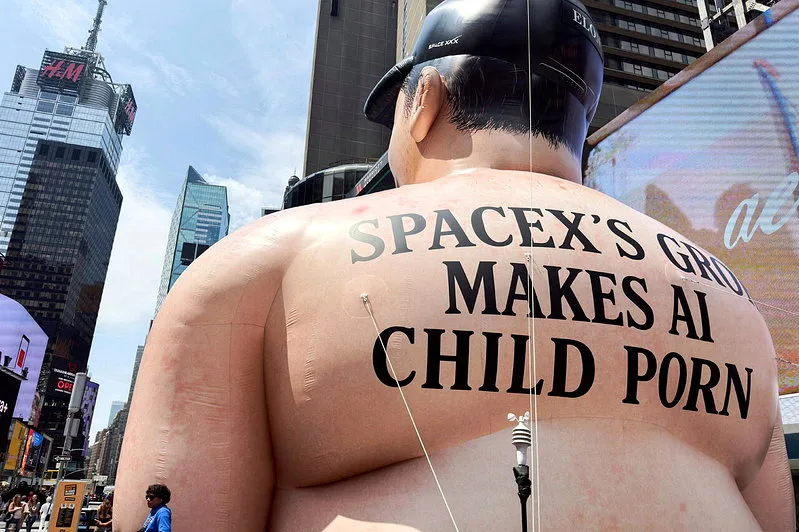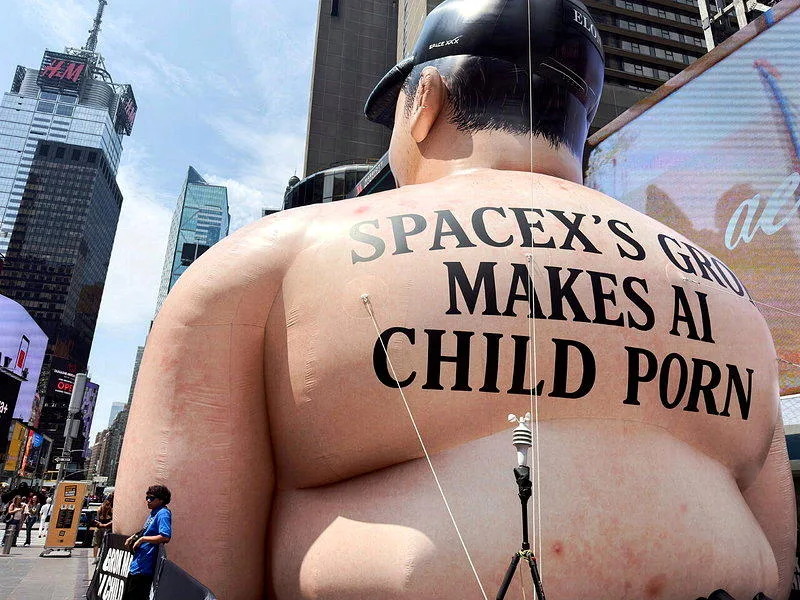
Minnesota’s law banning AI-generated non-consensual nude images took effect on August 1, 2026, becoming the first such law in the United States [1, 2]. The law prohibits websites and apps from providing AI tools that convert real photos into nude or explicit images without consent [1, 2, 3, 4]. Platforms that violate the ban face fines of $500,000 per AI-generated image created in violation of the law [1, 2, 3, 4].
Elon Musk’s AI company xAI filed a 38-page lawsuit in federal court on July 29 opposing the Minnesota ban [1, 2, 3, 4]. While xAI does not dispute the need to stop non-consensual AI nudification, it argues the law is overly broad and lacks "safe harbor" provisions for good-faith efforts to comply [1, 2, 3, 4]. xAI contends the law restricts even images consented to by the depicted individual and criticizes the broad definition of "intimate part" used in the law [1, 2, 3, 4].
Minnesota Attorney General Keith Ellison condemned non-consensual AI nudification as "shocking" and harmful to dignity, stating, "AI nudification strips away the subject's dignity and causes great emotional, personal, and professional harm" [1]. Ellison added that although there are many policy questions about AI, "this issue should not be questioned" [4].
Other states, including Texas and California, have passed or proposed regulations targeting AI deepfakes, but these laws have seen mixed legal outcomes [1, 2, 3]. At the federal level, the Take It Down Act requires platforms to remove non-consensual deepfake images but does not hold AI developers liable [1, 2, 4].
xAI states its Grok platform already bans illegal or harmful activity, including non-consensual AI nudification [4]. The Minnesota law creates a strict framework, imposing heavy fines intended to deter use of AI for involuntary nude image creation.
The conflict between Minnesota’s strict ban and the legal challenges from AI companies like xAI is expected to continue in court, as the law’s enforcement begins. The federal case filed July 29 marks the next major step in the legal review of the state’s groundbreaking legislation [1, 2].