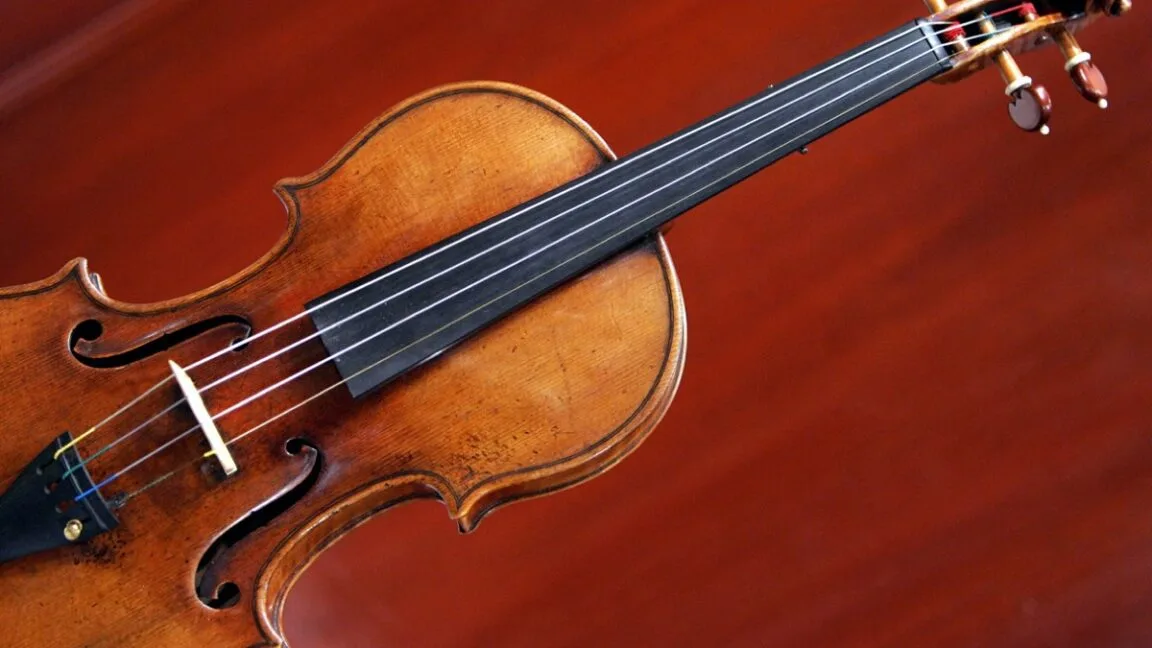
MIT engineers have developed a virtual violin, a computer simulation tool that accurately captures the physics of the instrument and reproduces sounds of plucked strings with realistic detail [1]. Unlike common software that replicates violin sound by sampling thousands of prerecorded notes, MIT’s model is based directly on fundamental physical principles of the violin’s structure and vibration [1].
The tool is designed to help luthiers better understand the acoustics involved in violin sound production during their design process, although the developers stress it does not claim to recreate the artisan magic behind the world’s finest violins. Nicholas Makris, involved in the project, said, “We’re not saying that we can reproduce the artisan’s magic. We’re just trying to understand the physics of violin sound, and perhaps help luthiers in the design process” [1].
Research into violin acoustics has historically focused on what gives Golden Age violins—such as those made by Stradivari, Amati, and Guarneri—their legendary sound quality [1]. One hypothesis is that some unique tonal qualities of Stradivari violins arise partly because the Alpine spruce wood used came from trees grown during unusually cold weather periods, which resulted in denser wood [1]. Differences in wood density affect a violin’s vibrational efficiency and ultimately its tone [1].
By simulating these physical factors and the complex vibration patterns of the violin’s body and strings, the new virtual violin aims to provide luthiers with a scientific tool that complements traditional craftsmanship.
Further development and validation of the simulation are likely as the MIT team continues refining the model and exploring its applications for instrument design and acoustic research [1].


