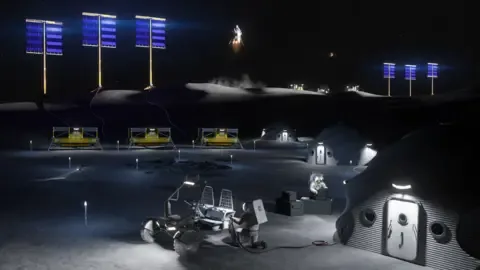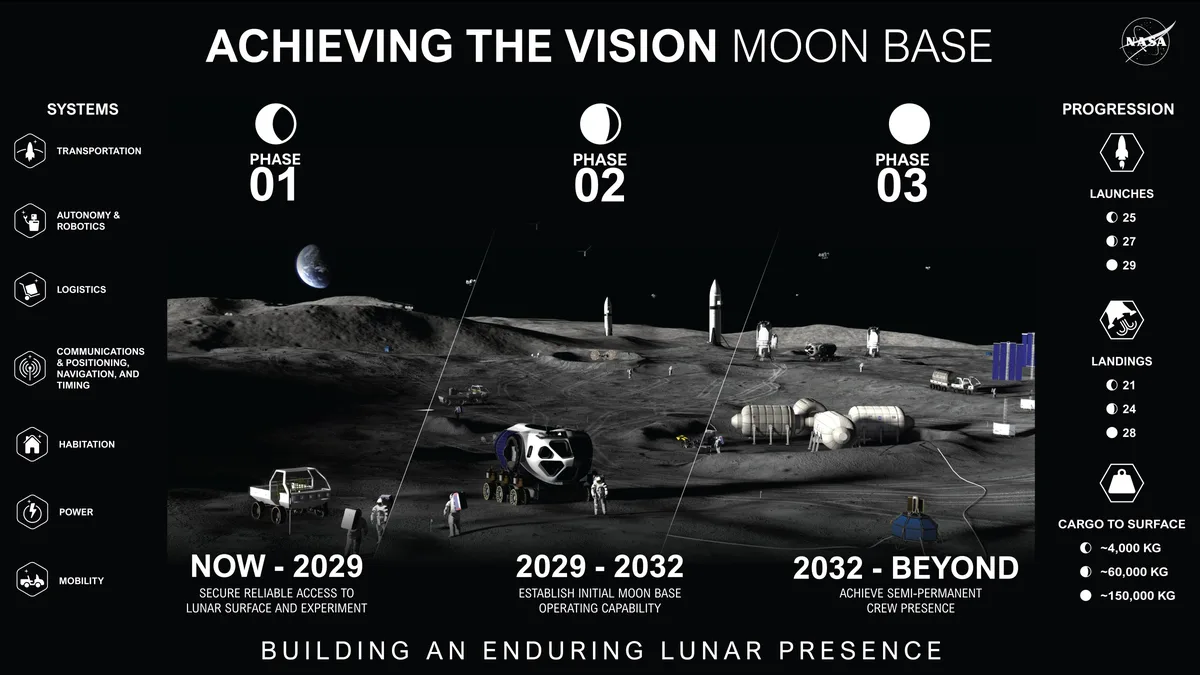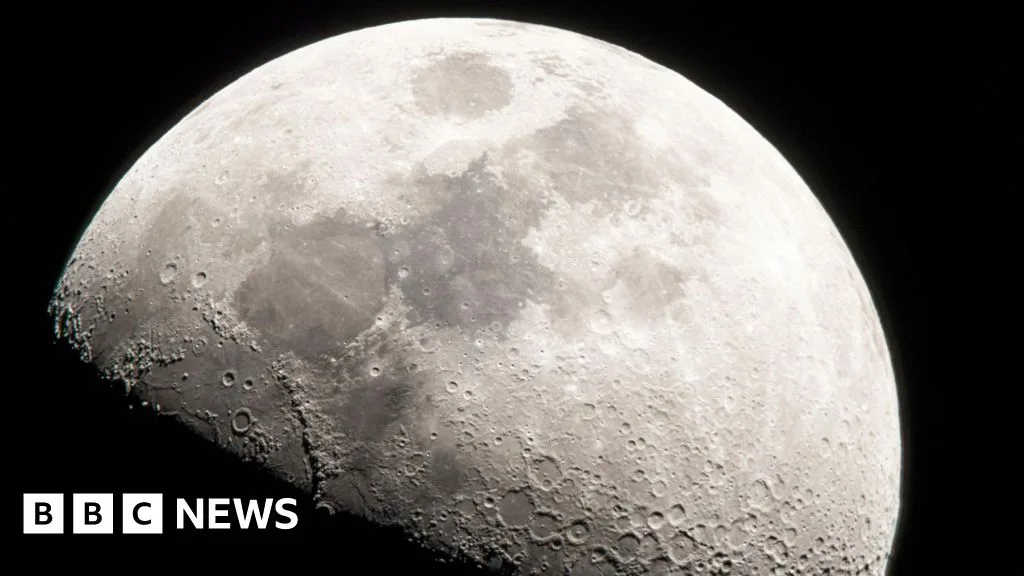
NASA revealed a detailed plan to build a permanent Moon base by 2032, aiming for sustained human presence on the lunar surface. [1, 2, 3, 4] The program will roll out in three phases. Phase 1, from 2026 to 2029, will focus on robotic landers, drones, rovers, and preparation missions to explore and test technologies, especially around the Moon's south pole. [1, 2, 3, 4]
Phase 2 will run from 2029 to 2032 and emphasize assembling semi-permanent infrastructure such as habitats, solar and nuclear power systems, and communication networks. [2, 3] From 2032 onward, phase 3 aims at routine crew rotations and continuous human activity on the Moon. [2, 3]
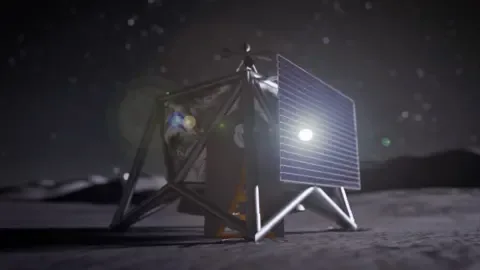
NASA plans at least 25 launches and 21 lunar landings in phase one to support exploration and infrastructure tests. [2, 3, 4] Initial missions target delivery of about 4 metric tons of cargo. The first three Moon Base missions are scheduled to launch by the end of 2026. The Moon Base I mission will launch no earlier than fall 2026 aboard Blue Origin’s Blue Moon Mark 1 Endurance lander, delivering scientific payloads to the south pole. [5, 3, 6, 4]
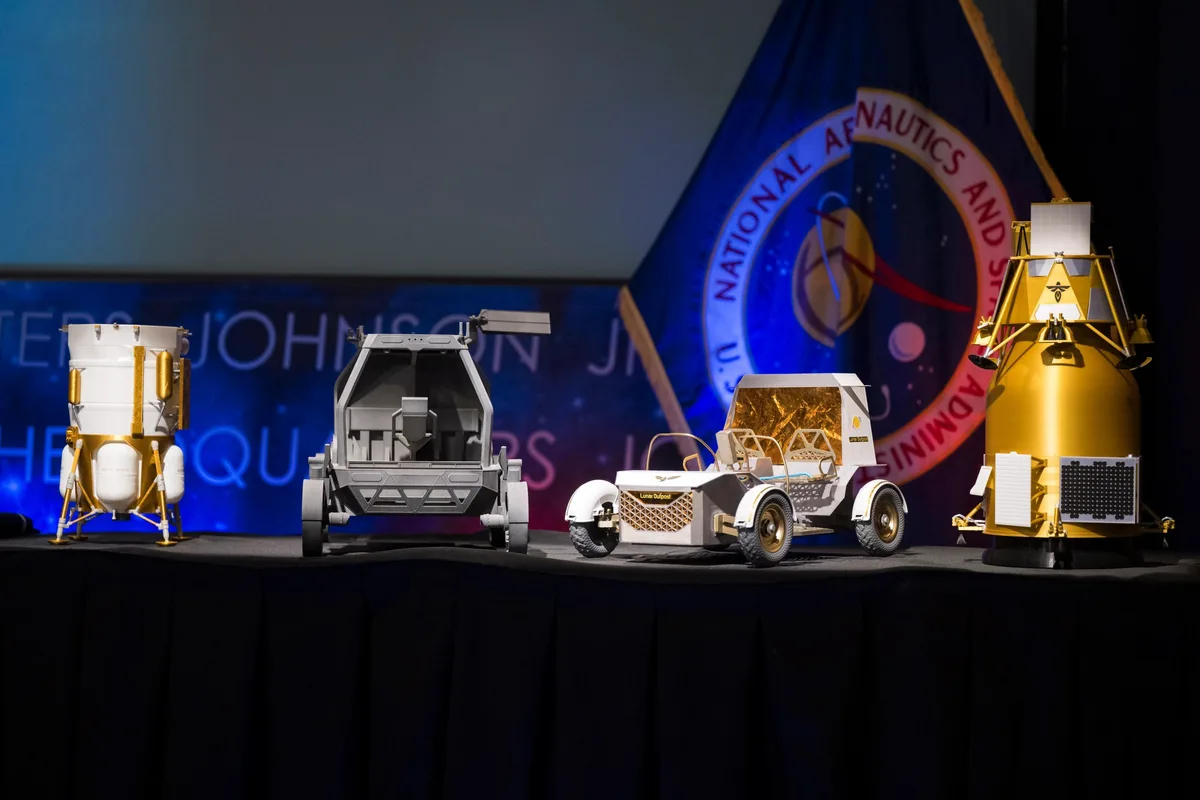
Moon Base II will use Astrobotic’s Griffin lander to deliver more than 500 kilograms of cargo, including Astrolab's FLIP/FLEX rover for terrain testing. [5, 6, 4] Moon Base III will carry NASA's Lunar Vertex payload, alongside instruments from the European Space Agency and Korea Astronomy and Space Science Institute, aboard Intuitive Machine’s Nova-C Trinity lander. [5, 6, 4]
Contracts worth hundreds of millions of dollars were awarded to Astrolab ($219 million), Lunar Outpost ($220 million), and Blue Origin (estimated between $118 million and $188 million) for rover development and delivery. [5, 6]
NASA plans to test drones and autonomous vehicles before crewed missions, including MoonFall drones to scout and map landing sites ahead of the Artemis program’s planned crewed Moon landing by 2028. [1, 2, 6, 4] NASA Administrator Jared Isaacman said, "America is returning to the moon, and this time to stay," and pledged, "We will 'never give up the Moon again'." [1, 4]
NASA’s Moon base will be powered by nuclear and solar energy systems deployed during phase two starting in 2029. [1, 2, 3] NASA program executive Carlos García-Galán said, "Eventually when we have matched the assets — the habitation modules — with the logistics, and all the things to move the logistics around, we'll be able to say 'we're permanently here and we're not giving it up'." [2]
The Moon base plan comes amid a growing space race, with China aiming to land humans on the Moon by 2030 and advancing its lunar and space station programs. [1, 7] Some experts view NASA’s timeline as ambitious and say China could beat the U.S. to a crewed lunar landing. [1]
The program was backed by a $20 billion budget announced earlier this year. [1] The next milestone will be the launch of the first three robotic Moon Base missions by the end of 2026 to prepare for the 2028 Artemis crewed lunar landing. [5, 2, 6]