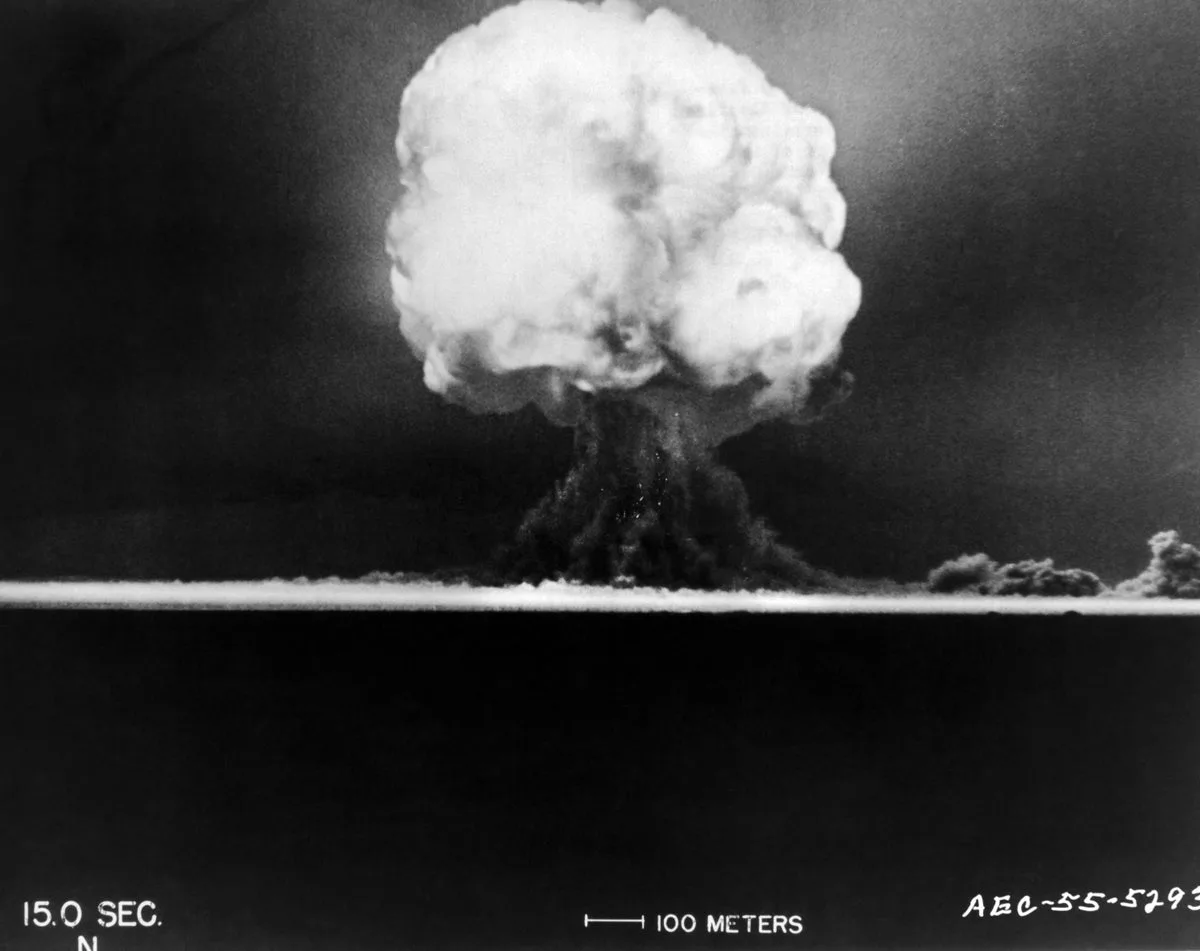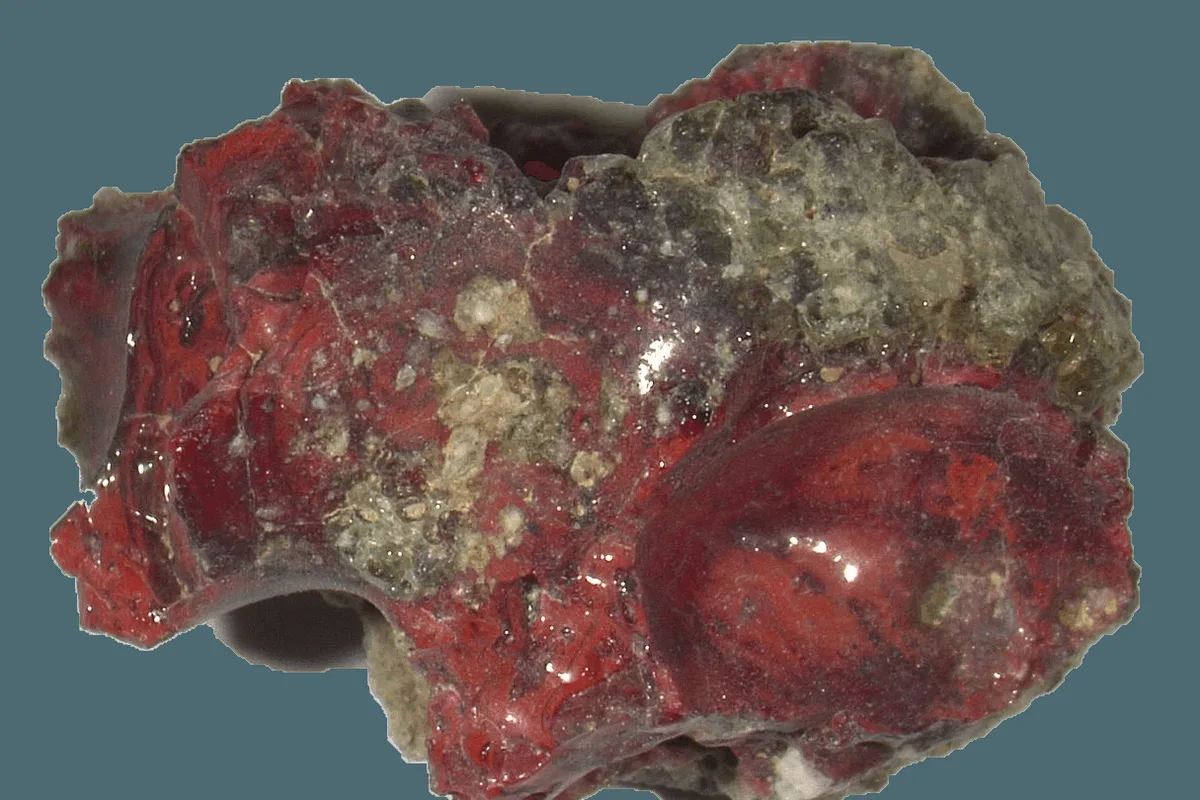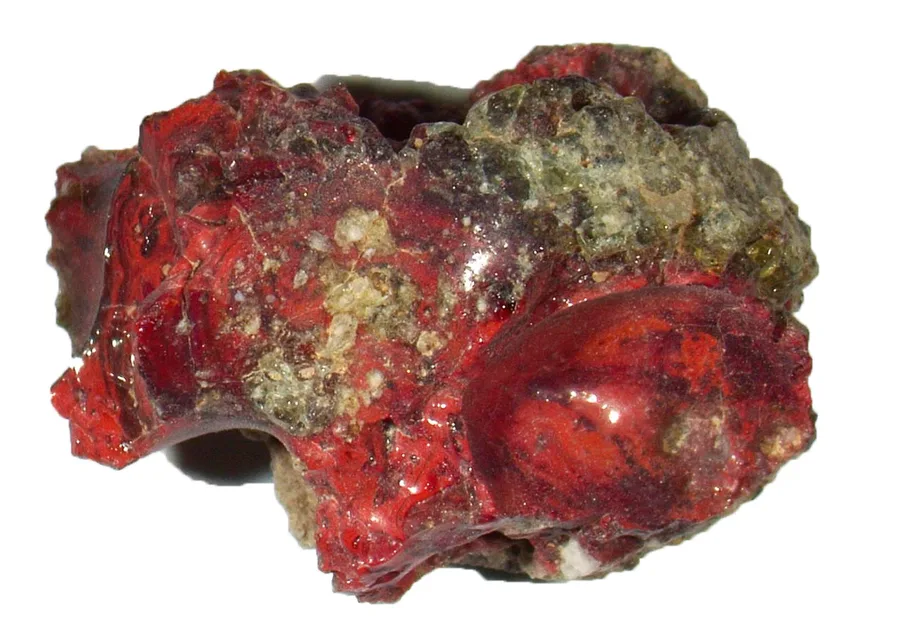
On July 16, 1945, the Trinity nuclear bomb test detonated the first atomic bomb in New Mexico, releasing energy equivalent to 25 kilotons of TNT and creating trinitite, a glasslike material formed from melted desert sand and vaporized debris [1, 2].
In trinitite’s copper-rich metallic droplets, researchers led by Luca Bindi discovered a completely new kind of clathrate crystal. "It’s a completely new kind of clathrate crystal—something never seen before in nature or in the products of a nuclear explosion," Bindi said [1].
This clathrate features a cagelike lattice built from silicon atoms arranged as 12-sided dodecahedrons and 14-sided tetrakaidecahedrons. Inside these cages are trapped calcium, copper, and iron atoms [1, 2].
The crystal formed under the explosion’s extreme transient conditions, where temperatures exceeded 1500 degrees Celsius and pressures reached several gigapascals. Such a nonequilibrium environment allows creation of metastable phases not replicable in laboratories, according to physicist G. Nelson Eby, who said, "The transient extreme conditions of the Trinity test allow for the formation of metastable phases that might not be found in laboratory experiments" [1].
This discovery builds on earlier findings, including a silicon-rich quasicrystal identified in trinitite in 2021, which Bindi described as having "atomic arrangement that is not periodic, but nearly so," producing unusual symmetries with unique physical properties [1, 2].
Clathrates are of interest for their cage-like structures that trap atoms and potential applications in thermoelectrics, semiconductors, and hydrogen storage [2]. The Trinity test thus serves as a natural laboratory for probing materials formed under rare, high-energy conditions analogous to nuclear blasts, lightning strikes, or meteor impacts [2].
The research team continues analyzing trinitite’s microstructures to better understand these rare mineral phases and their formation mechanisms [1].