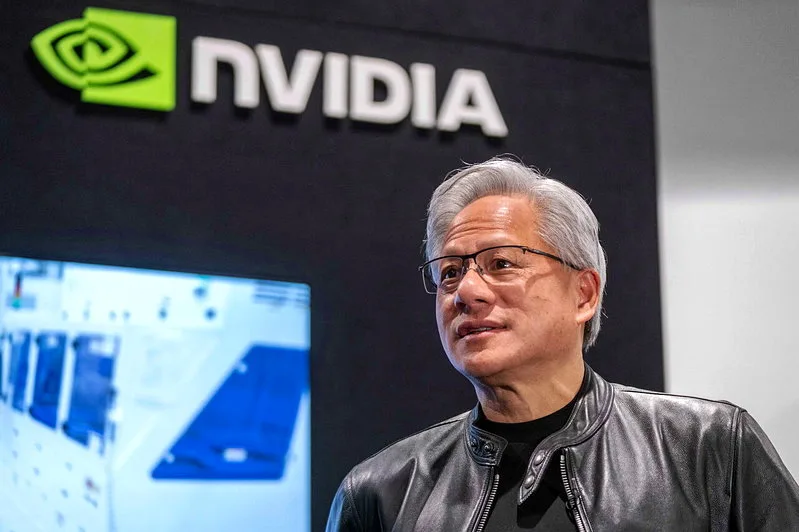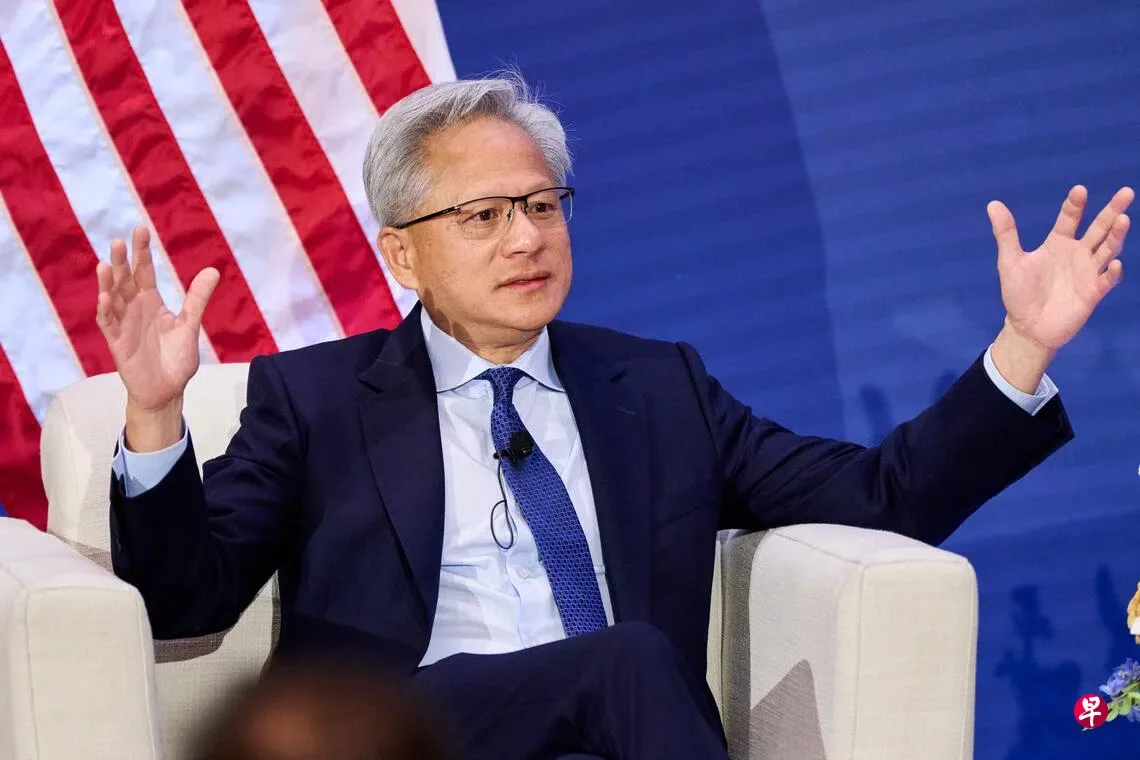
Nvidia CEO Jensen Huang urged G20 ministers on September 2, 2026, at a technology event in North Carolina to build more data centers and AI infrastructure to support the AI revolution [1, 2, 3, 4, 5, 6, 7]. Huang described AI as fundamental infrastructure "like water, roads, electricity, and internet," essential for sustaining national economies [1, 3, 4, 5, 8, 6, 7]. He warned that fear and overregulation risk leaving countries behind in technological and economic competition. "If leaders come to discuss this technology with fear and uncertainty, countries will suffer losses," Huang said [1, 3, 4, 9, 5, 8, 6].
Huang rejected the view that AI would eliminate all jobs, calling it "nonsense." He said jobs will be redefined and tasks automated, but "the purpose of work remains" [1, 3, 4, 5, 10, 7]. He urged governments to focus regulations on real, tangible harms rather than hypothetical risks. "Do not regulate hypothetical or theoretical harms. Regulate real, pragmatic harms," Huang said [1, 9, 11, 6, 7].
The event was hosted by U.S. Commerce Secretary Howard Lutnick, who praised Huang and Nvidia as driving innovation that was previously unimaginable. "Your company is leading us toward a path we never dreamed of in our youth," Lutnick said [1, 4, 7]. Nvidia's GPUs power data centers globally that train AI models and fuel the surge in generative AI [1, 3, 4, 5]. Huang estimated Nvidia will invest close to $1 trillion in U.S. AI infrastructure in 2026 alone [12, 8, 7].
The G20 meeting came amid rising public opposition in the United States to building AI data centers, a politically charged issue ahead of the November midterm elections [1, 2, 4, 5]. Former President Donald Trump criticized opponents of AI data center construction on August 31, saying they will become "left behind and poor" [1, 4].
Huang’s statements aimed at balancing the need for AI infrastructure expansion with cautious regulation. The G20 ministers will assess these issues as pressure mounts on governments to support AI development while addressing public concerns.