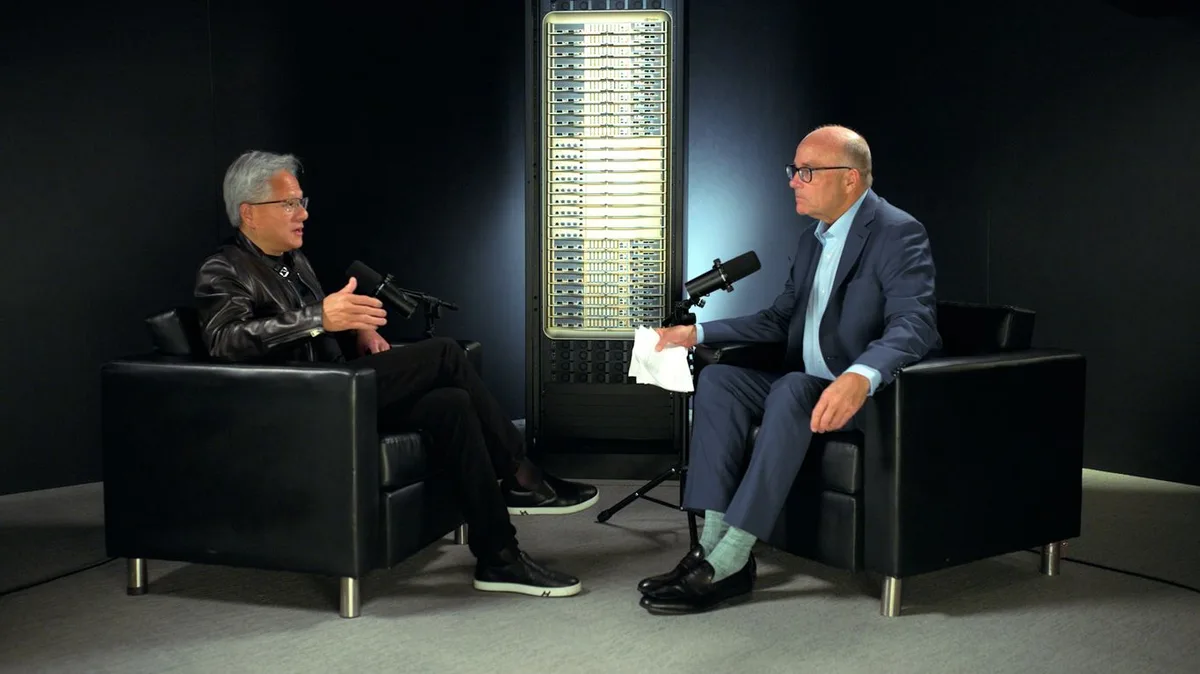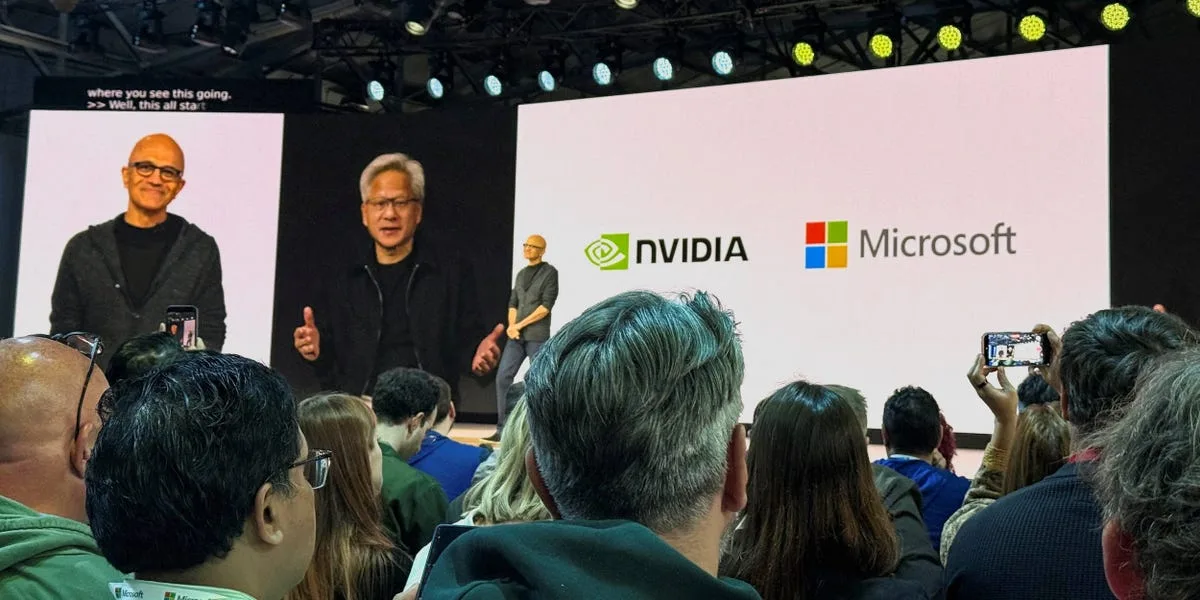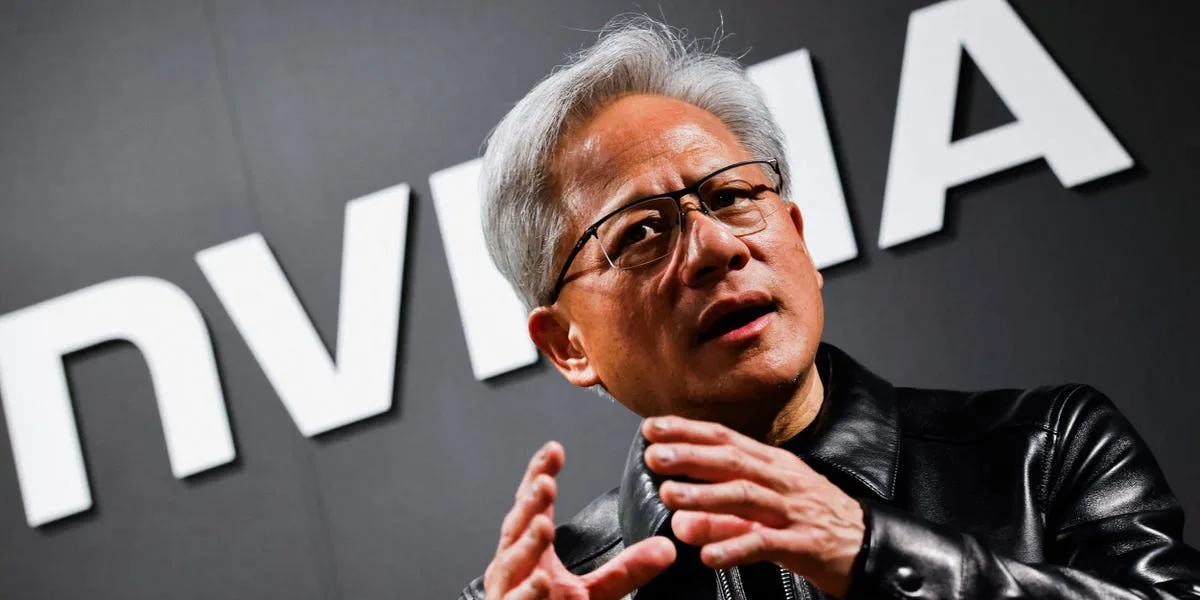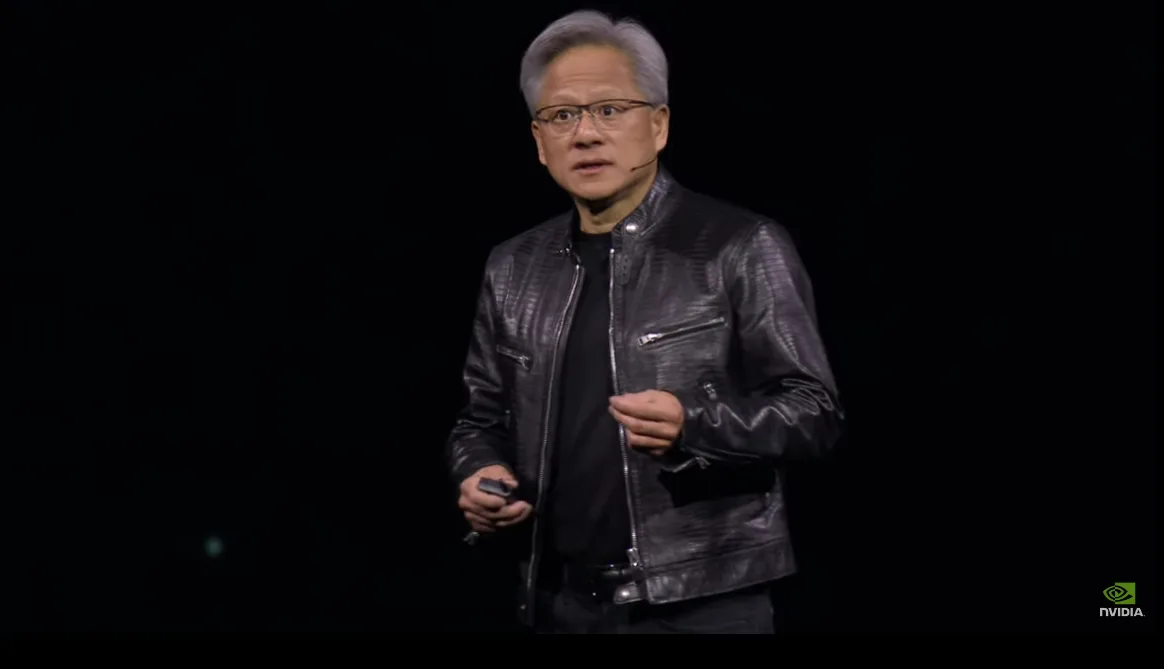
Nvidia CEO Jensen Huang warned US policymakers on July 23 not to succumb to what he called “science fiction” fears about artificial intelligence, saying exaggerated risks could slow AI adoption and harm America’s competitive edge [1, 2]. Huang dismissed claims that AI will destroy half of American jobs or bring about the end of humanity as “complete nonsense,” emphasizing these narratives distract from real issues [1]. He said, “The fact that this is going to be the end of humanity — it’s complete nonsense” [1].
Huang called on regulators in Washington to consult multiple industry leaders before making AI rules, cautioning against overcorrection that might stifle innovation and competitiveness [1]. “We just all have to be thoughtful and careful. We’re scaring people,” he said, urging the AI sector to focus on facts and benefits rather than fear [2]. He also dismissed hype around AI consciousness, singularity, or living in a simulation as made-up stories distracting from real challenges [2].
Earlier in July, Huang used his first post on X (formerly Twitter) to share an open letter signed by Nvidia, Microsoft, Meta, Palantir, and others that supports open-weight AI models [3, 4]. The letter urges US policymakers not to restrict open-weight AI, arguing that open access promotes security, faster innovation, and technological sovereignty, much like open-source software has done [3, 4]. Huang wrote, “Open models strengthen safety and cybersecurity, accelerate innovation and diffusion, and enable sovereignty” [4].
This move comes amid US government deliberations over potential restrictions on some Chinese AI models, including Moonshot AI's Kimi K3 [3, 4]. Notably, frontier AI companies OpenAI and Anthropic did not sign the letter, signaling industry disagreement over the best approach to AI regulation and openness [4]. Huang’s message contrasts with calls by some AI leaders emphasizing serious societal risks and more stringent rules [1].
Huang’s warnings and the open letter mark efforts by major US tech firms to influence policy on AI’s future and highlight the division within the industry over risk and openness. The debate continues as the US government assesses regulatory paths balancing innovation, security, and competition.
The US government’s review of Chinese AI systems and regulatory choices is ongoing, making further policy announcements likely later this year.