Nvidia CEO Jensen Huang revealed the N1X PC processor at Computex in Taiwan on June 1, 2026. Co-designed with Microsoft, the N1X uses the power-efficient Arm instruction set, marking a shift from traditional x86 designs [1, 2]. Huang called it a "reinvention of the computer….as big of a deal as the reinvention of the phone into what we now know as the smartphone" [1].
Alongside N1X, Nvidia introduced the RTX Spark, an integrated system-on-chip combining CPU, GPU, and neural processing units. The chip is based on Nvidia's Blackwell architecture and Arm CPU design, targeting Windows PCs directly against Intel and AMD [3]. Huang warned against "choosing the wrong architecture just because the chips are cheaper," emphasizing power efficiency and performance [2].
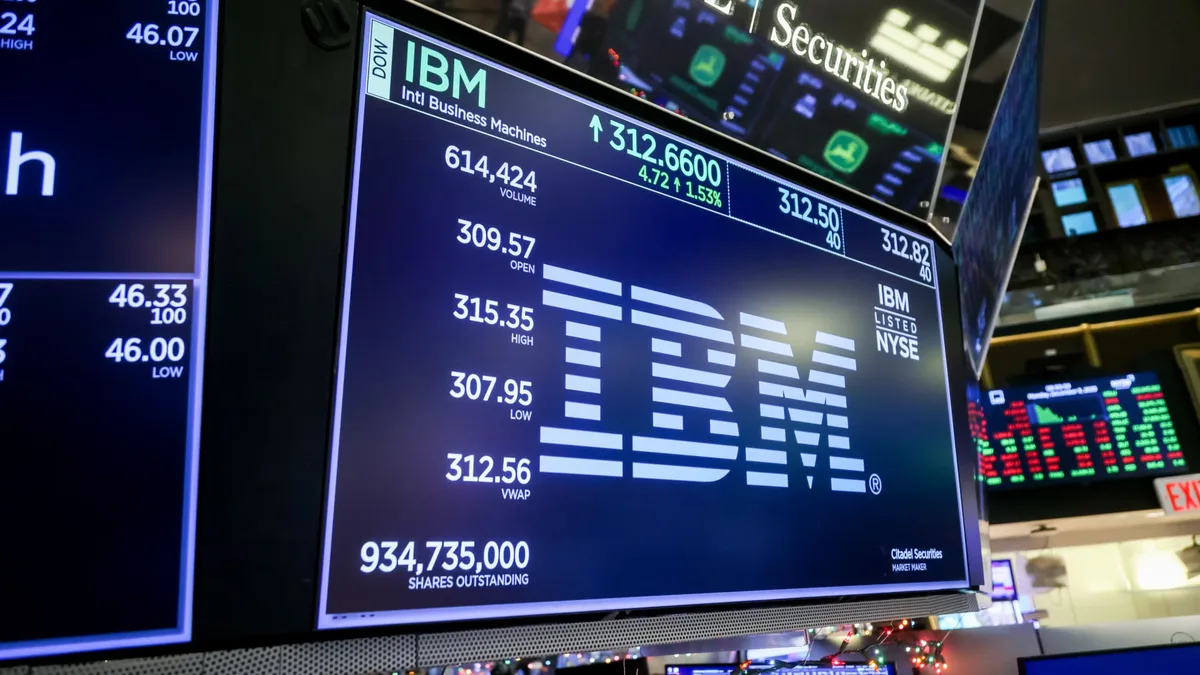
The announcement energized investors, lifting Nvidia shares between 2% and over 4% on June 1 [2, 3]. Other hardware stocks including IBM, Hewlett Packard, and Arm saw larger gains, with Arm's stock jumping approximately 11% to 12.2% as it benefits from royalties on the Arm architecture(s2). Hewlett Packard and IBM rose 12.6% and 12.7% respectively [1].
Nvidia’s new processors, relying on Arm’s architecture, allow Arm to collect royalties that helped fuel its stock surge [2]. Nvidia also criticized data center chips from Google and Amazon, promoting its focus on power efficiency and profitable token generation per watt [2].
Manufacturers such as ASUS, Dell, HP, Lenovo, Microsoft, and MSI are expected to produce the first Nvidia-based PCs, targeting a fall 2026 launch to hit the holiday shopping season [3].