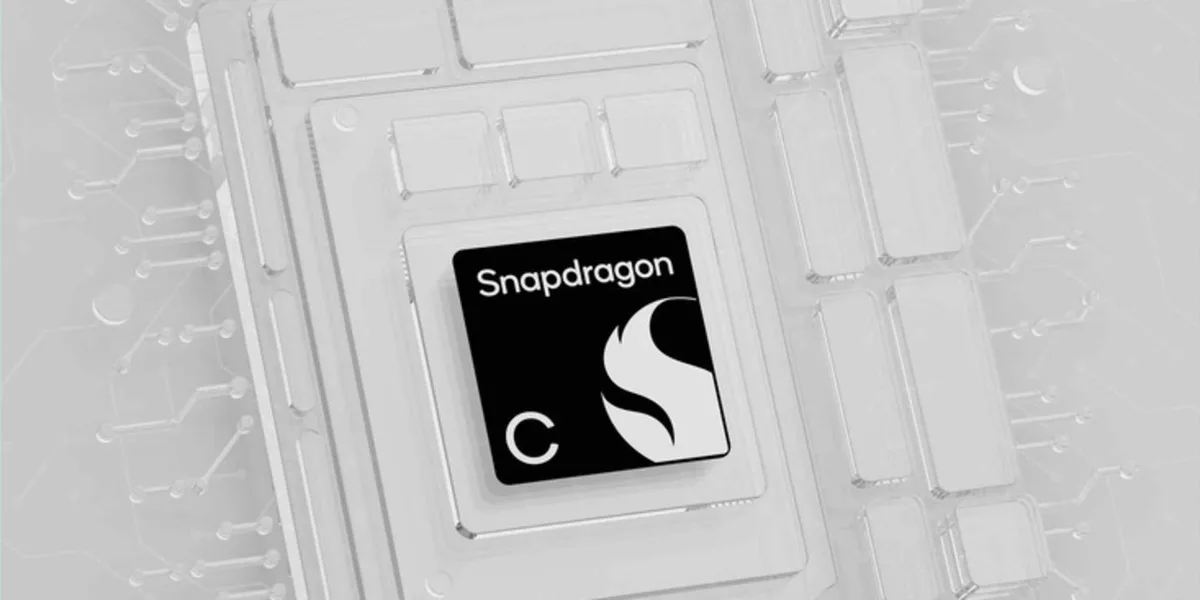
Qualcomm unveiled its first chip targeting budget PCs, called Snapdragon C, aimed at entry-level laptops around the $300 price point [1, 2, 3, 4, 5]. The chip is designed for OEMs including Acer, HP, and Lenovo to power affordable Windows laptops [1, 2, 3, 4]. Qualcomm expects Snapdragon C-based laptops to debut later in 2026 [2, 3, 4, 5].
The Snapdragon C platform offers all-day battery life, quiet operation, and built-in AI processing via an integrated neural processing unit (NPU) [2, 3, 4, 5]. Qualcomm emphasized the platform’s ability to deliver responsive, lag-free systems for tasks like browsing, video calls, streaming, and multitasking. Senior director Mandar Deshpande said, "With Snapdragon C, we are raising the bar for what budget-conscious laptop buyers should expect. You get all-day battery life, not a lot of fan noise, and a laptop that just works" [3].
The chip uses older Kryo CPU cores rather than Qualcomm's newest Oryon cores, focusing on cost efficiency and value [3]. The Snapdragon C aims to address rising CPU and memory prices by making AI-capable Windows PCs more affordable for students, families, and small businesses [1, 3, 5]. Senior vice president Kedar Kondap said the platform expands options by delivering "all-day battery life, AI capabilities, and smooth performance in low-temp, quiet devices" [5].
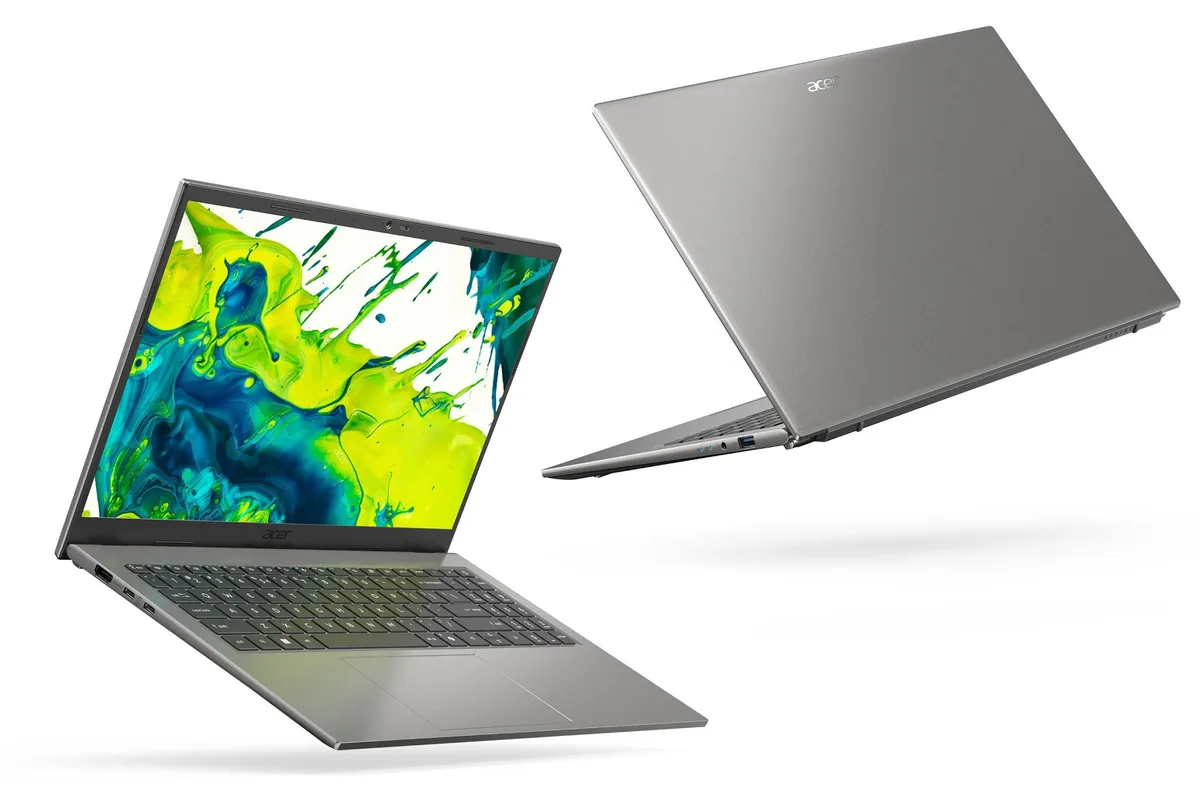
Acer announced a Snapdragon C laptop model called Aspire Go 15, featuring up to 8GB of RAM, 512GB of storage, and a 15.6-inch display [3, 6]. The Aspire Go 15 includes two USB-C ports, one USB-A port, HDMI 1.4, Wi-Fi 6E, a 1080p webcam, and a 53Wh battery [3, 6].
However, Snapdragon C laptops will not fully meet Microsoft's requirements for Copilot Plus AI support [3].
Laptops based on Snapdragon C are slated for launch later this year, with Acer, HP, and Lenovo preparing models for market release [2, 3, 4, 5]. Qualcomm announced Snapdragon C ahead of the May 2026 Computex trade show in Taiwan [2, 3, 4, 5].