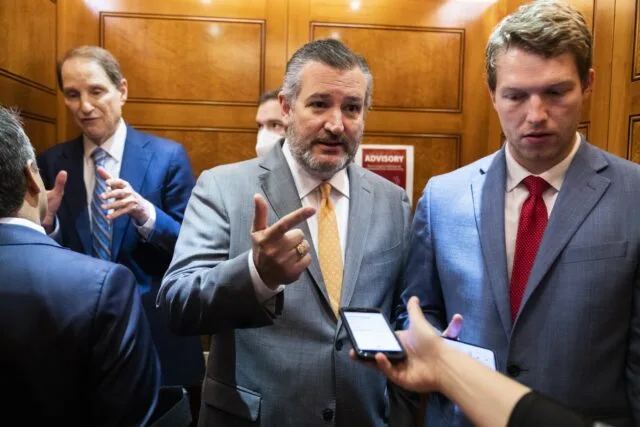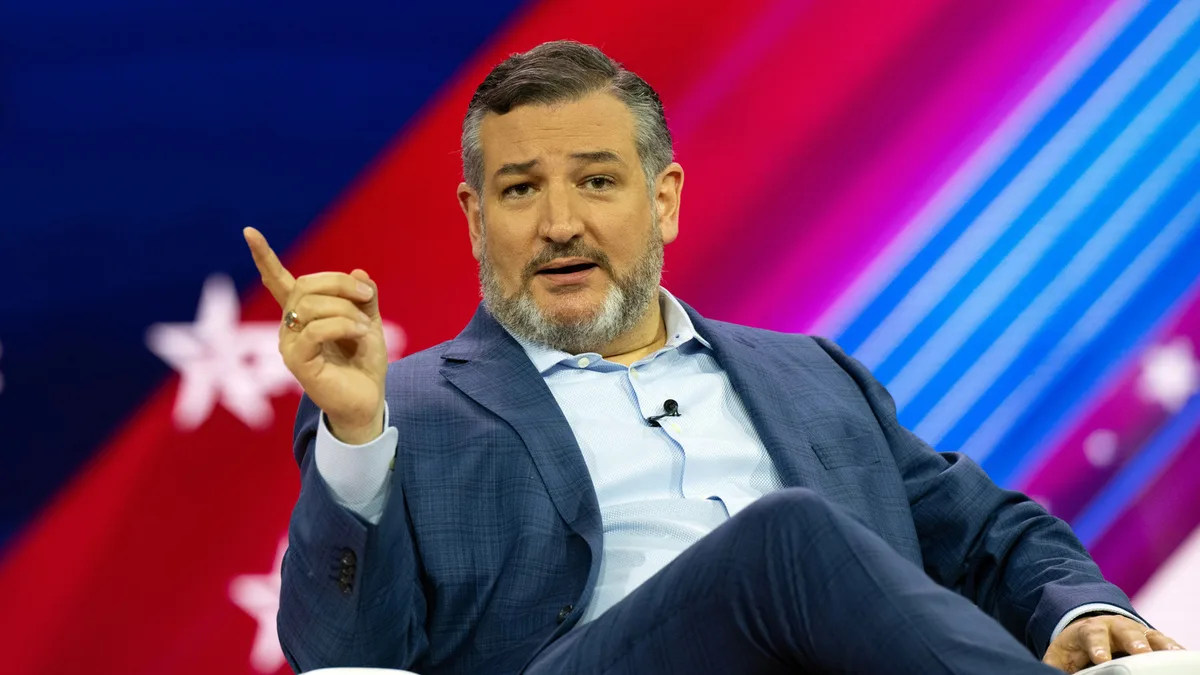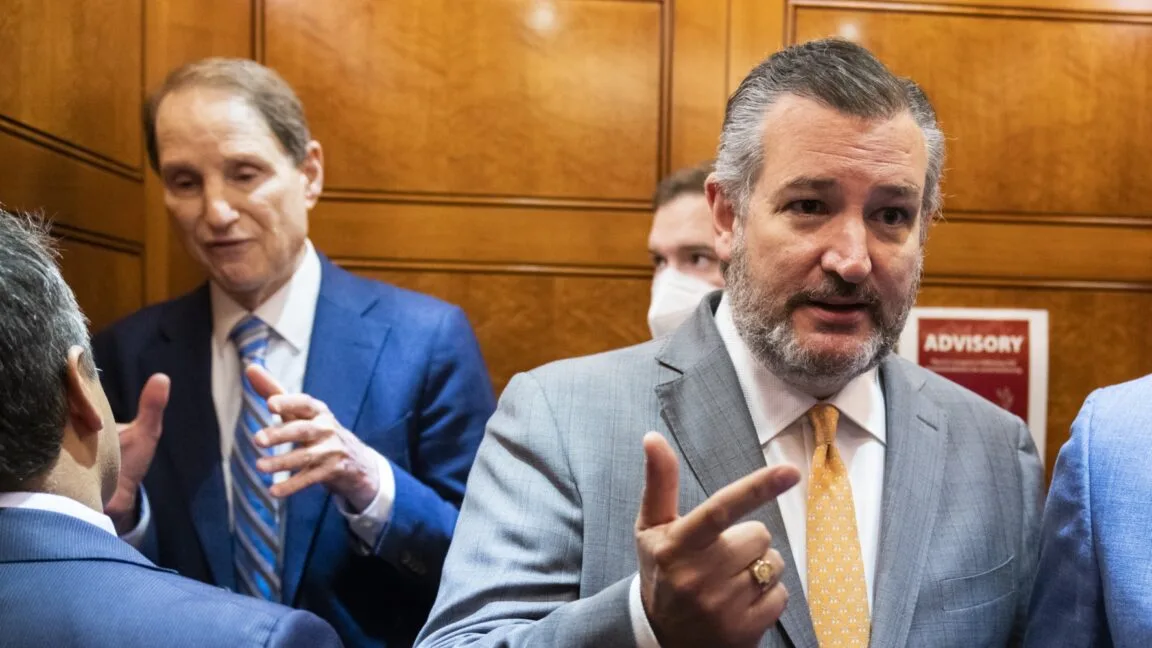
Senators Ted Cruz (R-Texas) and Ron Wyden (D-Ore.) introduced the bipartisan JAWBONE Act on June 1 to prohibit federal officials from pressuring broadcasters, social media companies, and online platforms to restrict speech [1, 2].
The bill would create a private right of action allowing individuals to sue government officials for “jawboning” — coercing companies to censor or restrict content — and recover damages [1, 2]. It targets government pressure including attempts by the Federal Communications Commission and other agencies to influence speech on broadcast and digital platforms [1].
Government entities would also be required to disclose communications with companies in related complaints, ensuring accountability and transparency in such interactions [2].
Senator Cruz sharply criticized the Biden administration, saying, “The Biden administration weaponized the Cybersecurity and Infrastructure Security Agency to pressure Big Tech into ‘canceling’ Americans who spoke out against vaccine mandates and election fraud” [1]. He added, “Holding the government accountable and giving Americans the tools to fight back is essential” [1]. Cruz emphasized that "The First Amendment is protected, not undermined" [2].
Senator Wyden highlighted that jawboning is not a recent or partisan issue. He cited former President Trump’s threats to cable companies over late-night shows and efforts to pressure app stores to remove apps like ICEBlock as examples of government coercion [1]. Wyden said, “The bill would provide Americans with the ability to file lawsuits if the government illegally coerces censorship” [2].
The JAWBONE Act aims to provide legal recourse to Americans whose First Amendment rights are violated by government-led censorship efforts on media and technology platforms [1, 2].