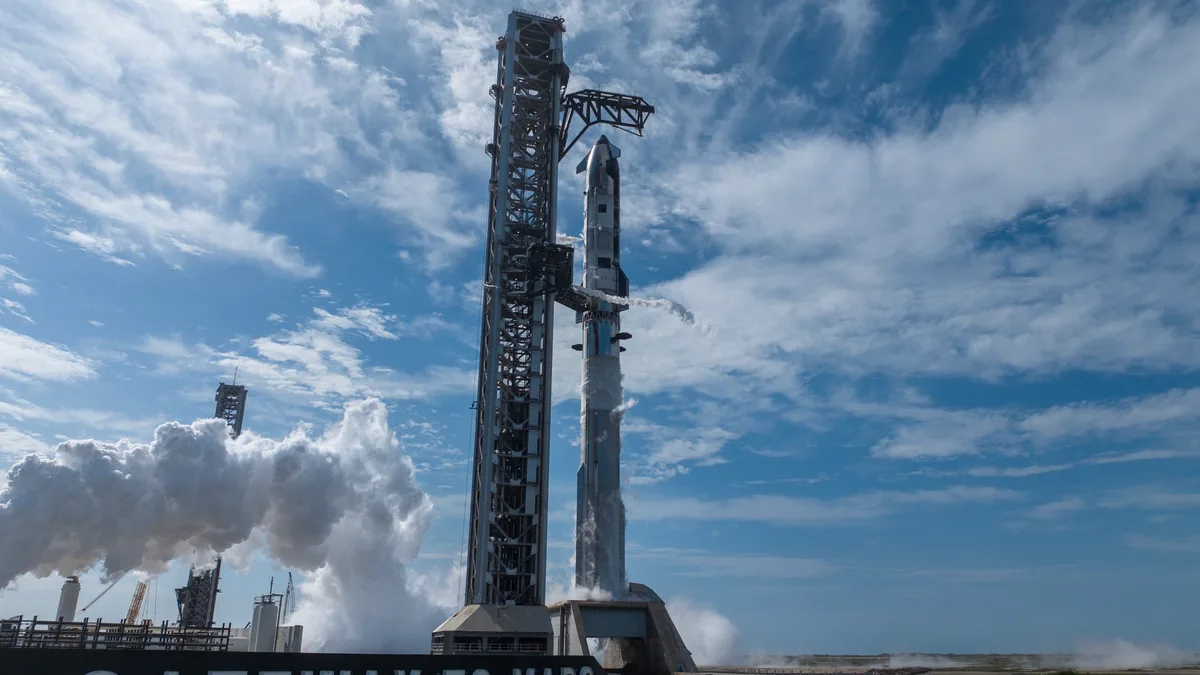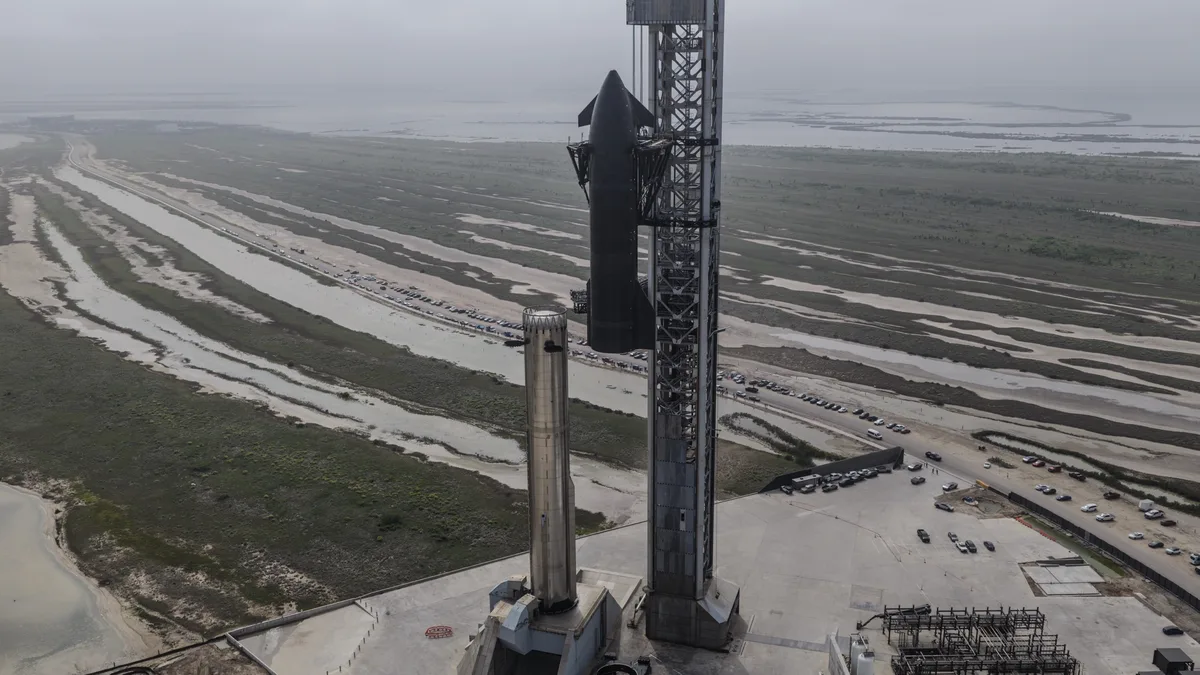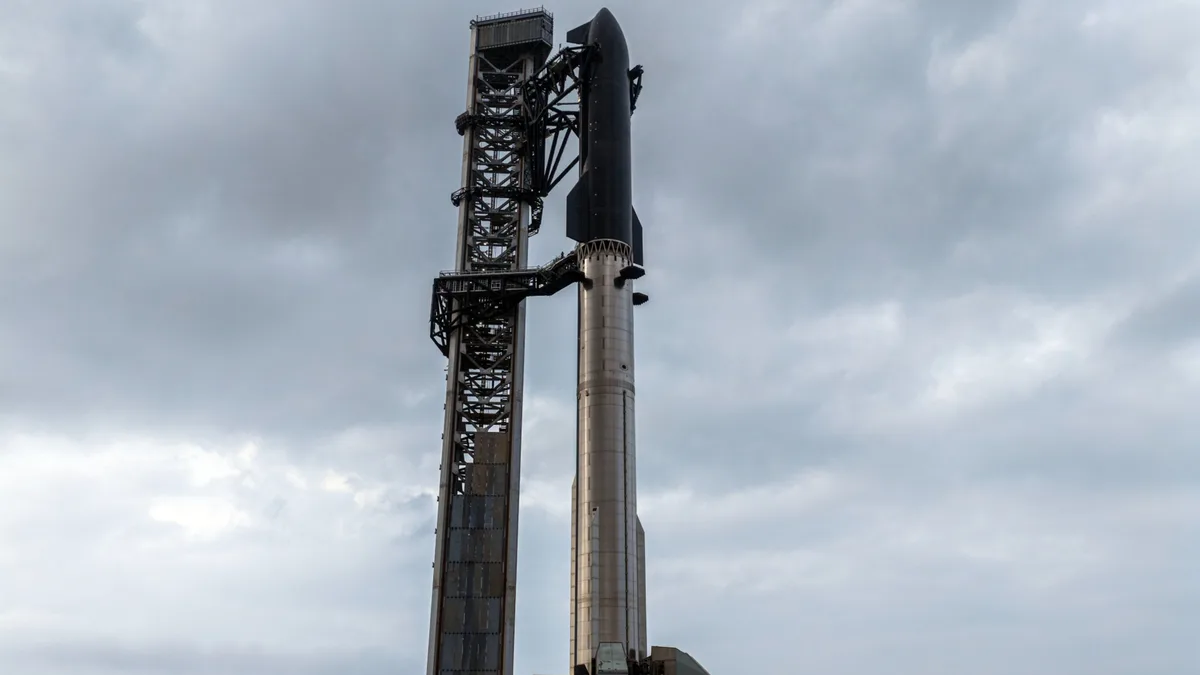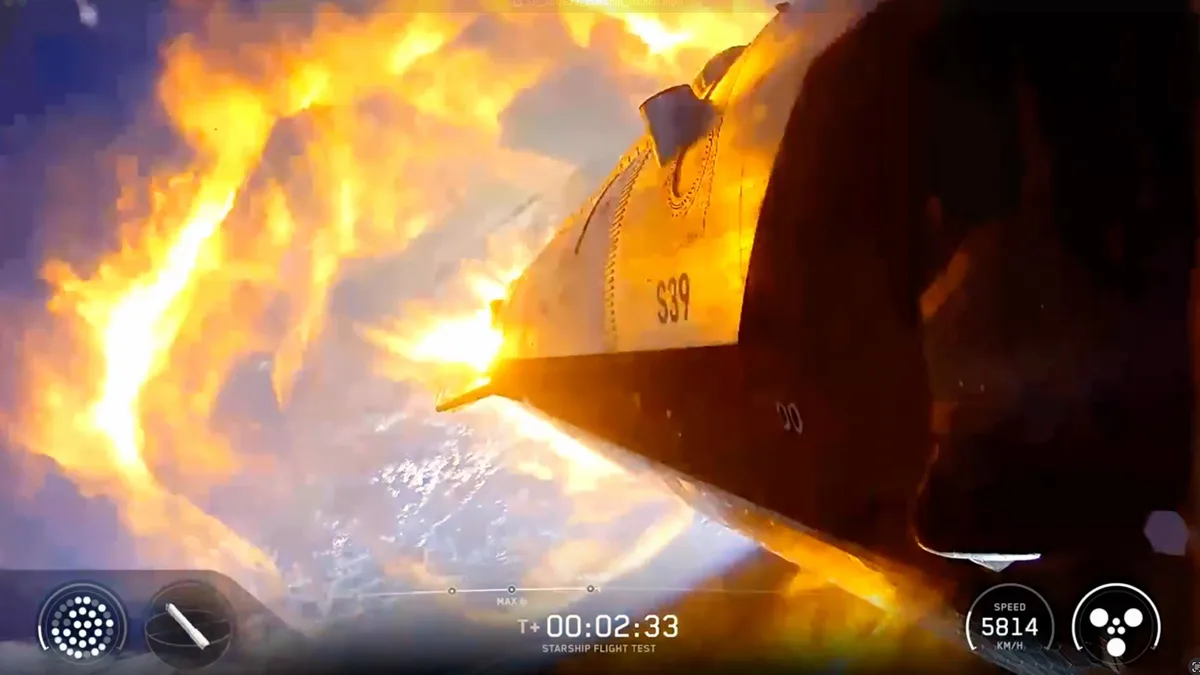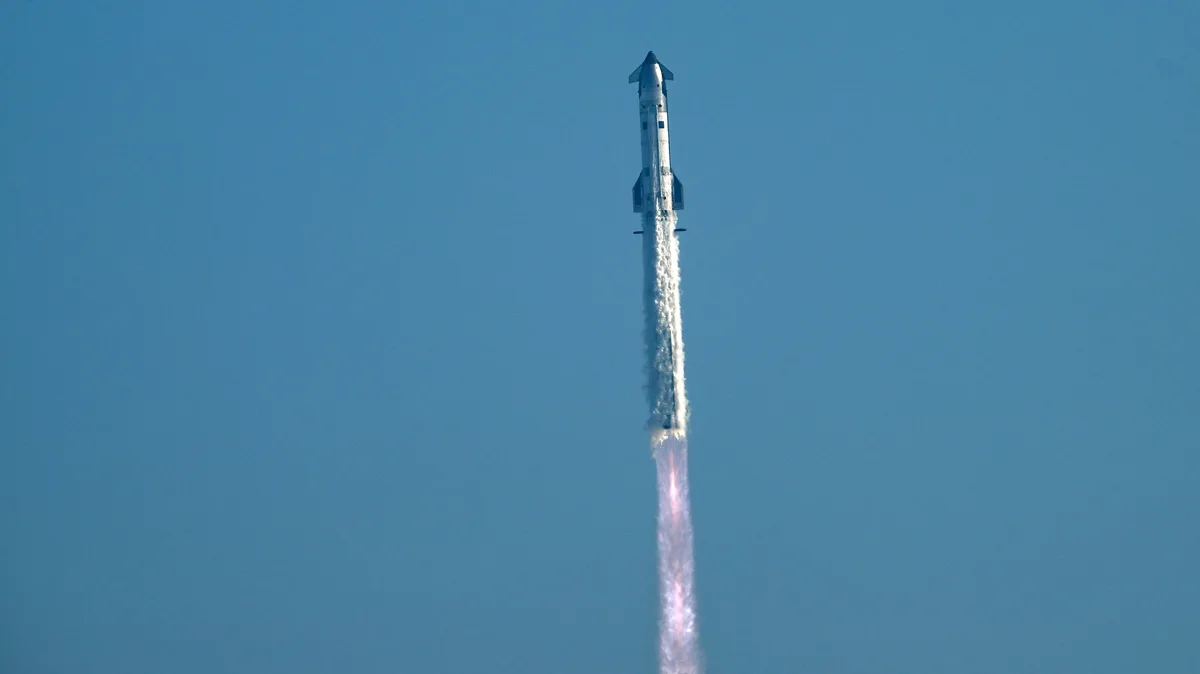
SpaceX launched the Starship Version 3 (V3) rocket on May 22, 2026, from Starbase, Texas, marking the 12th Starship test flight and the first using the upgraded V3 hardware. Liftoff occurred at 6:30 p.m. Eastern time (5:30 p.m. CDT) with the rocket following an eastern trajectory over the Gulf of Mexico [1, 2, 3, 4, 5, 6, 7].
Starship V3 is approximately 408 feet tall, slightly taller than previous versions. The Super Heavy booster carries 33 upgraded Raptor 3 engines and the upper stage (Ship 39) has 6 engines, designed for greater thrust and reusability [1, 2, 4, 6].
The launch was delayed by one day after a hydraulic pin on the launch tower failed to retract on May 21, causing multiple countdown holds and a scrubbed first attempt. "The hydraulic pin holding the [launch] tower arm in place did not retract," Elon Musk said [2, 4, 6, 7].
During ascent on May 22, one of the Super Heavy booster engines shut down early. This caused the booster to miss the full boostback burn. The booster then descended uncontrollably and was lost in the Gulf of Mexico. The booster was not expected to be recovered on this flight, unlike previous ones caught by the launch tower arms [1, 5, 6, 7].
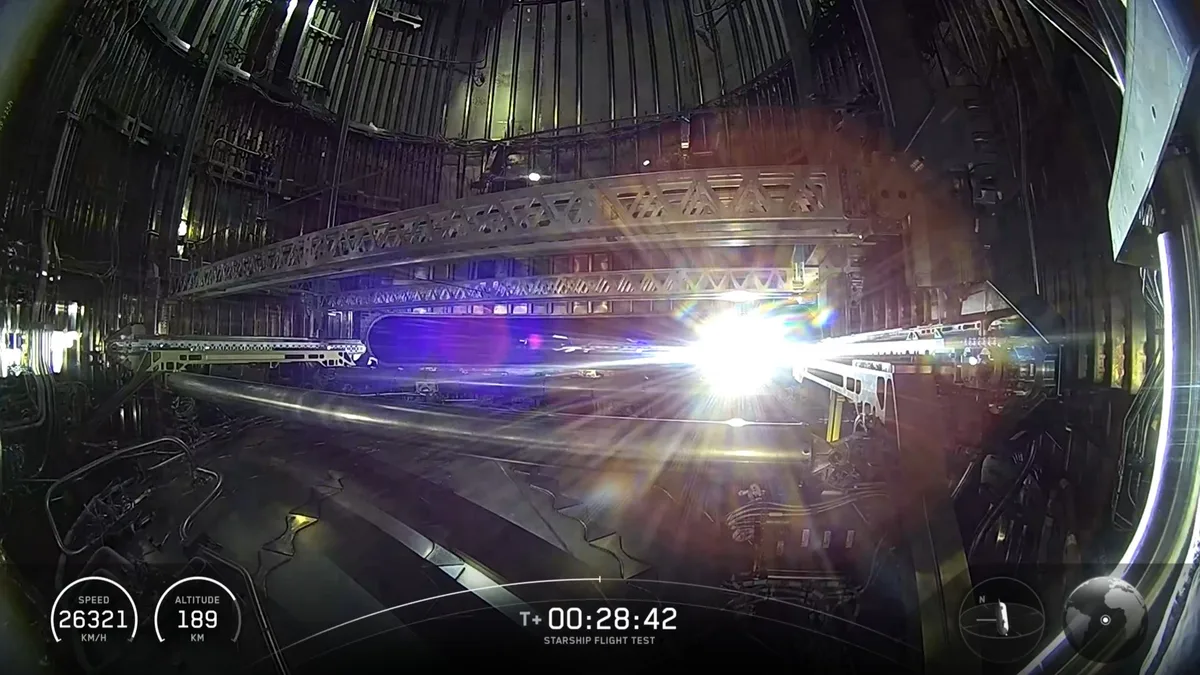
The upper stage lost one of its six engines during ascent but continued its planned suborbital trajectory. It successfully deployed 20 Starlink simulators and 2 modified Starlink satellites into space [1, 5, 7].
After completing heat shield data collection during re-entry, the Ship executed stress maneuvers on its rear flaps to simulate future mission returns. It landed in the Indian Ocean but subsequently exploded [3, 7].
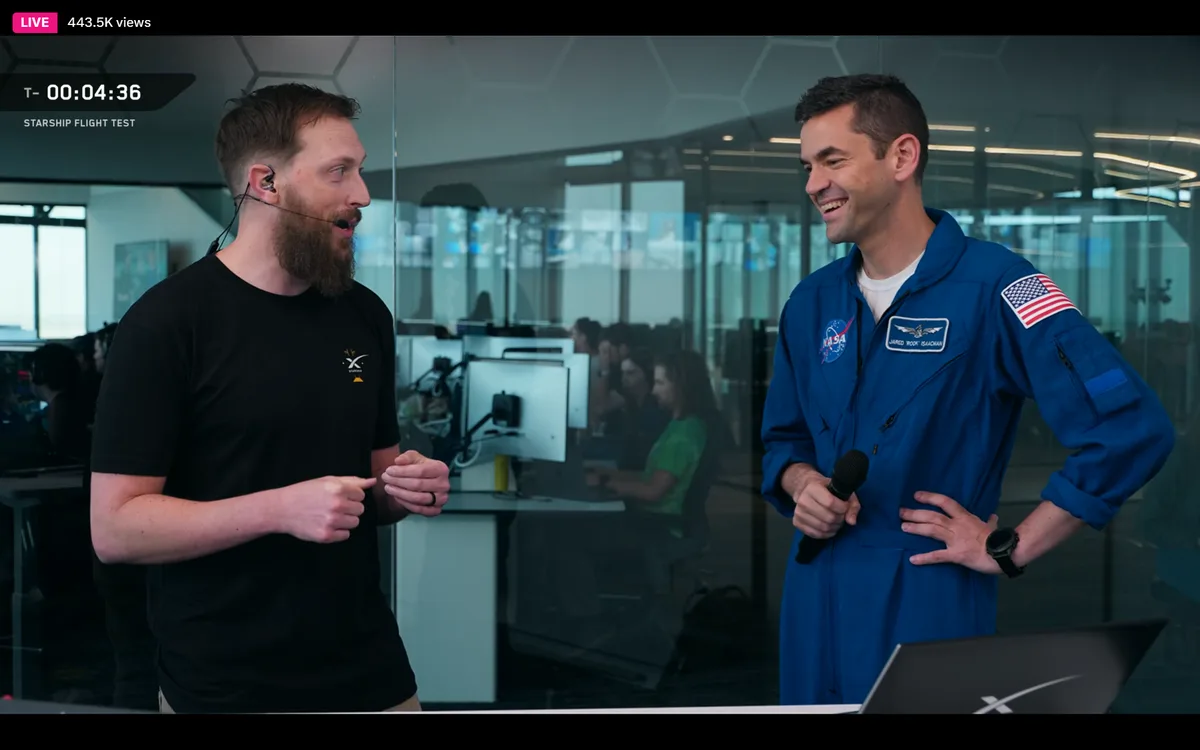
SpaceX leadership praised the flight as a milestone. Elon Musk tweeted, "Congratulations SpaceX team on an epic first Starship V3 launch & landing! You scored a goal for humanity." Gwynne Shotwell said, "Our collective future flying amongst the stars has become so much closer." NASA Administrator Jared Isaacman called it a "Hell of a V3 Starship launch" [1, 3, 7].
This was SpaceX's first Starship test flight since October 2025, following a seven-month gap to build and activate a second launch pad and test the new vehicle [1, 3, 5].
SpaceX plans to use Starship for future NASA lunar missions and to deploy advanced Starlink satellites, which remain the company’s only currently profitable business segment [3, 5]. The company has also filed for an IPO expected in mid-June 2026 to raise roughly $75 billion to fund Starship development, AI ambitions, and other expenses [4, 5].