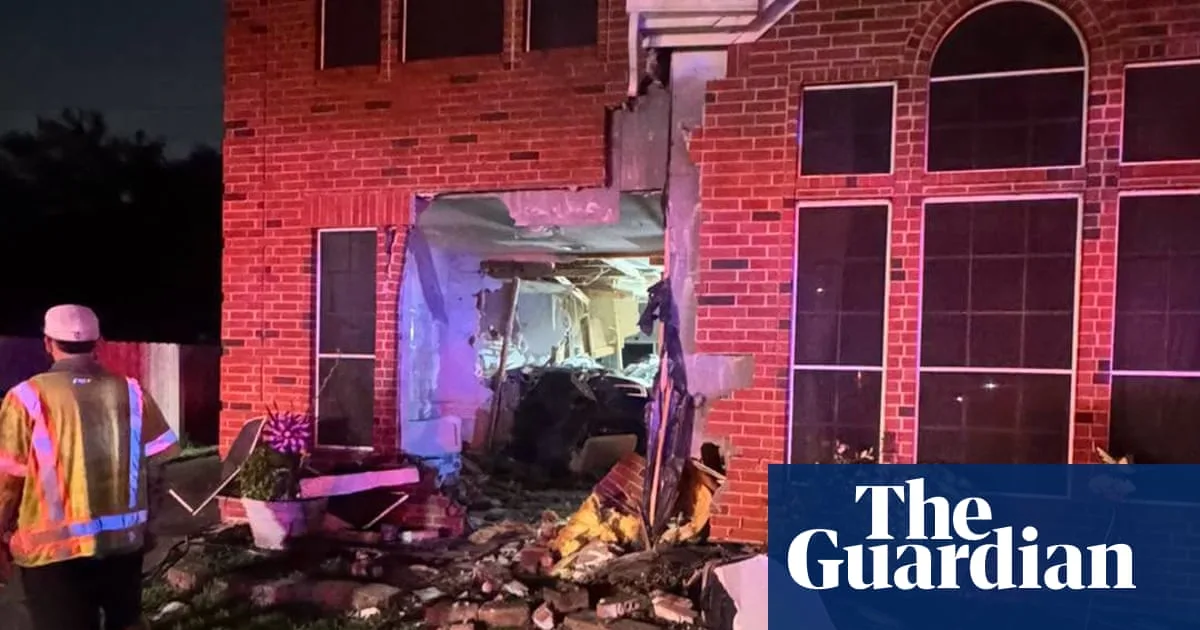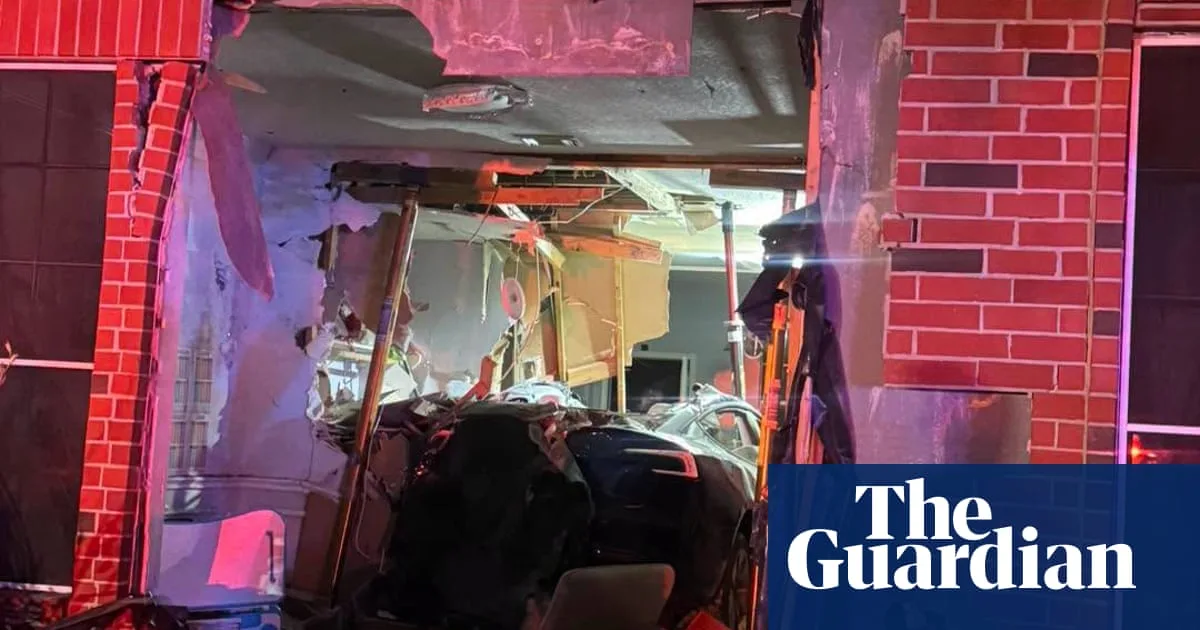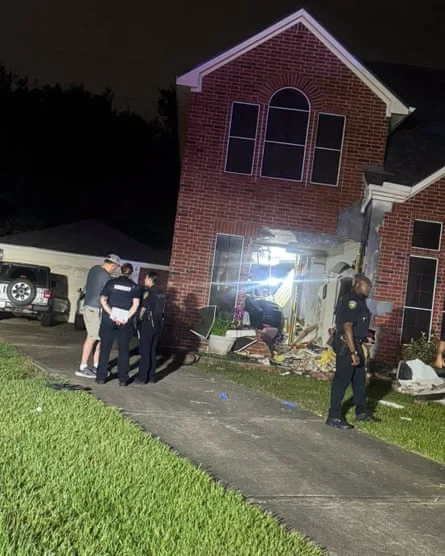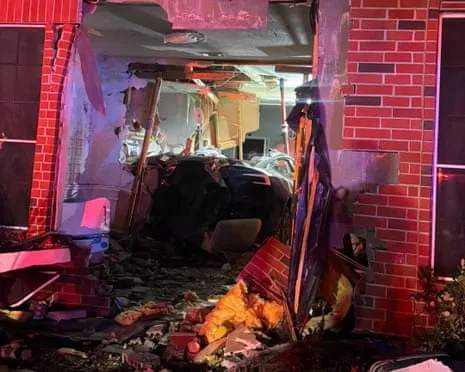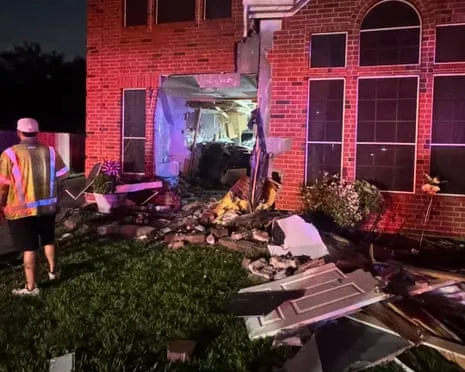
A Tesla Model 3 driven by 44-year-old Michael Butler crashed at about 8 p.m. local time on June 19, 2026, into a residential house in Katy, Texas, killing 76-year-old Martha Avila inside the home [1, 2, 3, 4]. The vehicle left its lane, sped at roughly 70 to 73 mph, and struck the brick house, causing severe structural damage [1, 5, 6, 2].
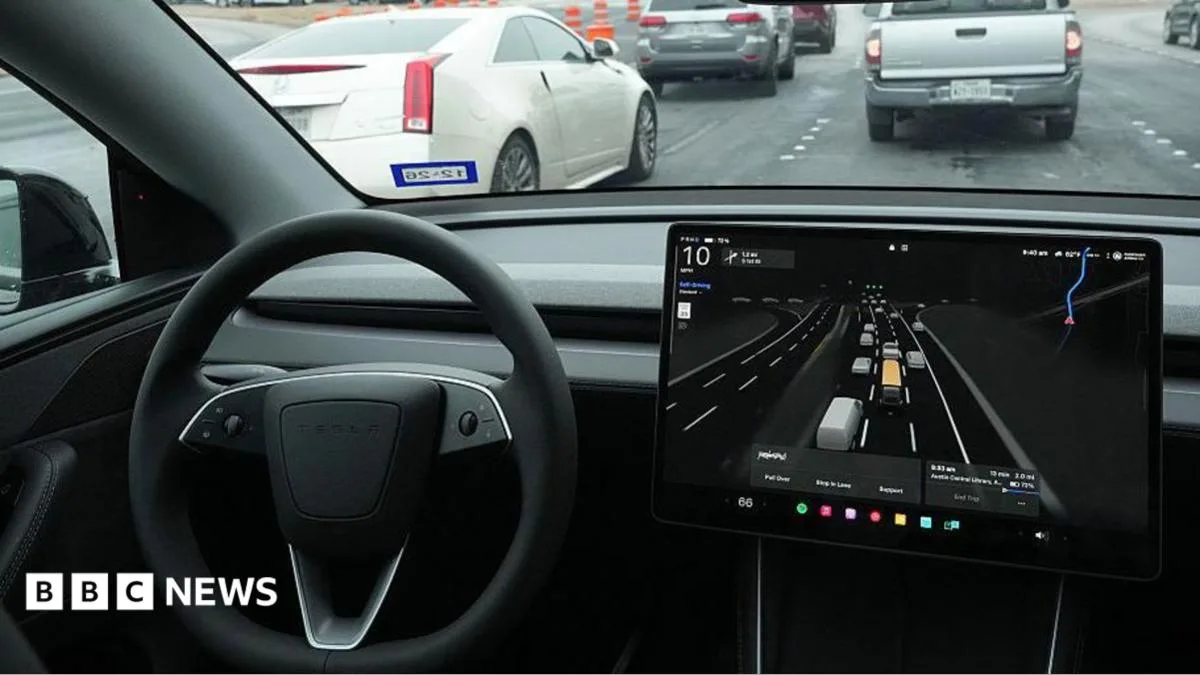
Police confirmed the driver was operating the vehicle’s automated driving assistance system at the time of the crash and was not intoxicated [1, 2, 3]. He is cooperating with the ongoing investigation [1, 2, 3]. A doorbell camera on the home captured video footage of the crash [3]. Following the impact, the victim’s family had to move into a hotel due to the extensive damage to their house [4, 7, 8].
The National Highway Traffic Safety Administration (NHTSA) opened a special crash investigation three days later, on June 22, focusing on the Tesla Model 3 involved [1, 5, 6, 9, 2, 10]. The National Transportation Safety Board (NTSB) announced a second federal inquiry on June 24, the day the victim’s family filed a wrongful death lawsuit against Tesla, alleging gross negligence and failure to warn of defects in Autopilot and Full-Self-Driving systems [11].
Tesla officials dispute that the Full Self-Driving (FSD) system caused the collision. CEO Elon Musk said on X that FSD "drives slowly through neighbourhood streets and this was a high speed crash!" [5, 6, 9, 11, 12]. Tesla’s AI VP Ashok Elluswamy stated the driver manually overrode the system, fully pressing the accelerator to reach 73 mph during and after the crash [5, 6, 9, 2, 11, 12]. He said, "In this case, the driver manually overrode self-driving by pressing the accelerator all the way to 100% of the accel pedal in this residential area" [5].
Safety investigators have not yet determined whether the crash resulted from system malfunction or driver error [1, 2, 4]. The Harris County Sheriff’s Office confirmed the automated assistance was engaged when the crash happened [1]. The crash added to public scrutiny of Tesla’s branding of its driver assistance systems as "Autopilot," leading to criticism that it can cause overreliance or misunderstanding [4, 7, 8]. Automotive analyst Lauren Fix noted, "When someone is killed at high speed in a neighborhood, it’s obviously either a software problem or a driver problem." [4]
Since 2016, NHTSA has opened about 50 special crash investigations involving Tesla’s advanced driver assistance systems, with around two dozen deaths reported. Tesla recalled approximately 2 million vehicles in 2023 to improve driver attentiveness with its Autopilot system [5, 6, 9].
Local Harris County police continue their probe alongside federal agencies [1, 11, 4, 7]. The NTSB’s investigation and the wrongful death lawsuit filed June 24 mark the latest steps in examining the fatal crash [11].