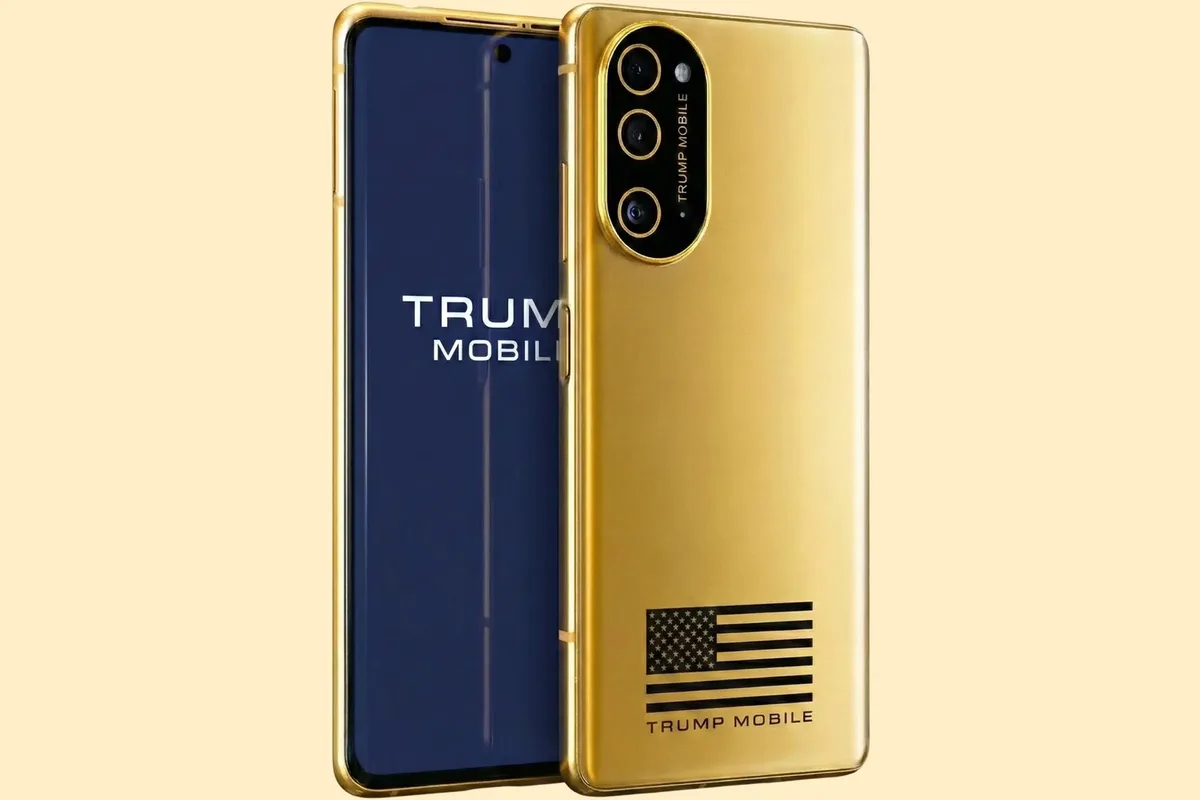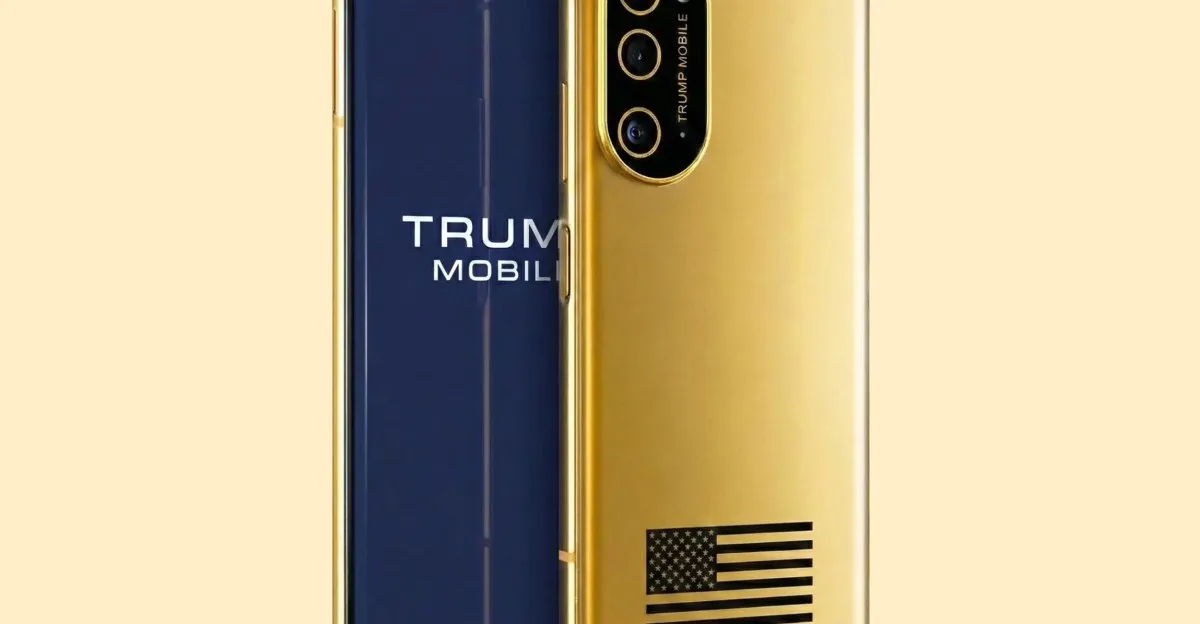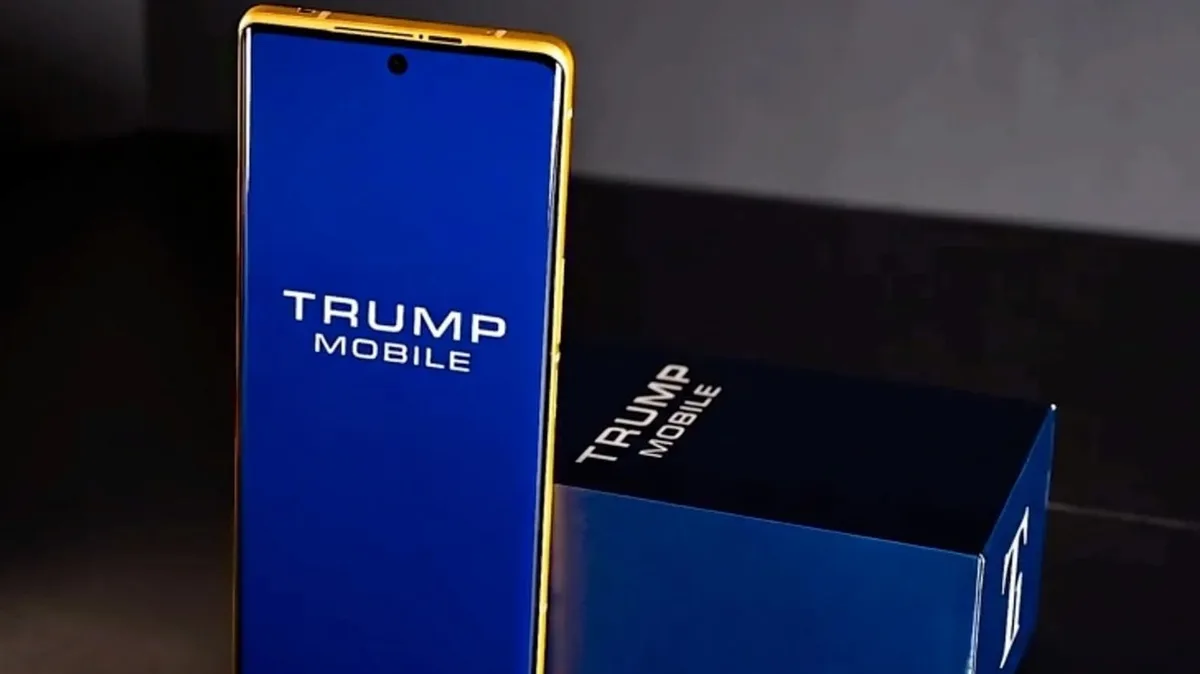
The Trump Mobile T1 Phone shares almost identical internal components with the HTC U24 Pro, according to a teardown and CT scan by iFixit released today in the US [1, 2]. Both phones use the Snapdragon 7 Gen 3 chipset paired with 12GB LPDDR5 RAM and 512GB storage, although the T1 has a Micron chipset board while the U24 Pro uses SK Hynix [1, 2].
Physically, the T1 features slight design changes such as repositioned flash, a tweaked speaker grille, a different camera array placement, and an alternate speaker hole pattern compared to the U24 Pro [1, 2]. The Trump Mobile phone also has a slightly larger battery supporting 30W charging, half the 60W charging supported by the HTC model. The T1 battery is made in the Philippines, while most other components are sourced from China [1, 2].
Trump Mobile markets the T1 as having an “American-proud design” that is “proudly assembled in the US,” with a spokesperson stating it is “shaped by American innovation” and “designed with American values in mind” [2]. However, iFixit disputes the claim, concluding that the phone is designed and mostly manufactured in China, with largely Chinese-sourced parts [2]. HTC, whose name appears on the phone it closely resembles, confirmed it no longer designs or manufactures third-party phones and sold its smartphone business to Google in 2017 [1].
Analysts infer both phones are made by a third-party manufacturer in China using existing tooling and production lines [1, 2]. The Trump Mobile T1 retails at $499, offering mid-range specifications at a competitive price point [2].
The ongoing scrutiny of the phone’s origin contrasts Trump Mobile’s US assembly claims with expert teardown findings, raising questions about the phone’s supply chain transparency. The company has yet to release detailed component sourcing data beyond the teardown reports.
The phone is currently available for purchase, with Trump Mobile continuing to promote its American branding despite the teardown findings. Further investigations into assembly and component sourcing are expected as consumers and regulators scrutinize the phone’s claims and supply chain.