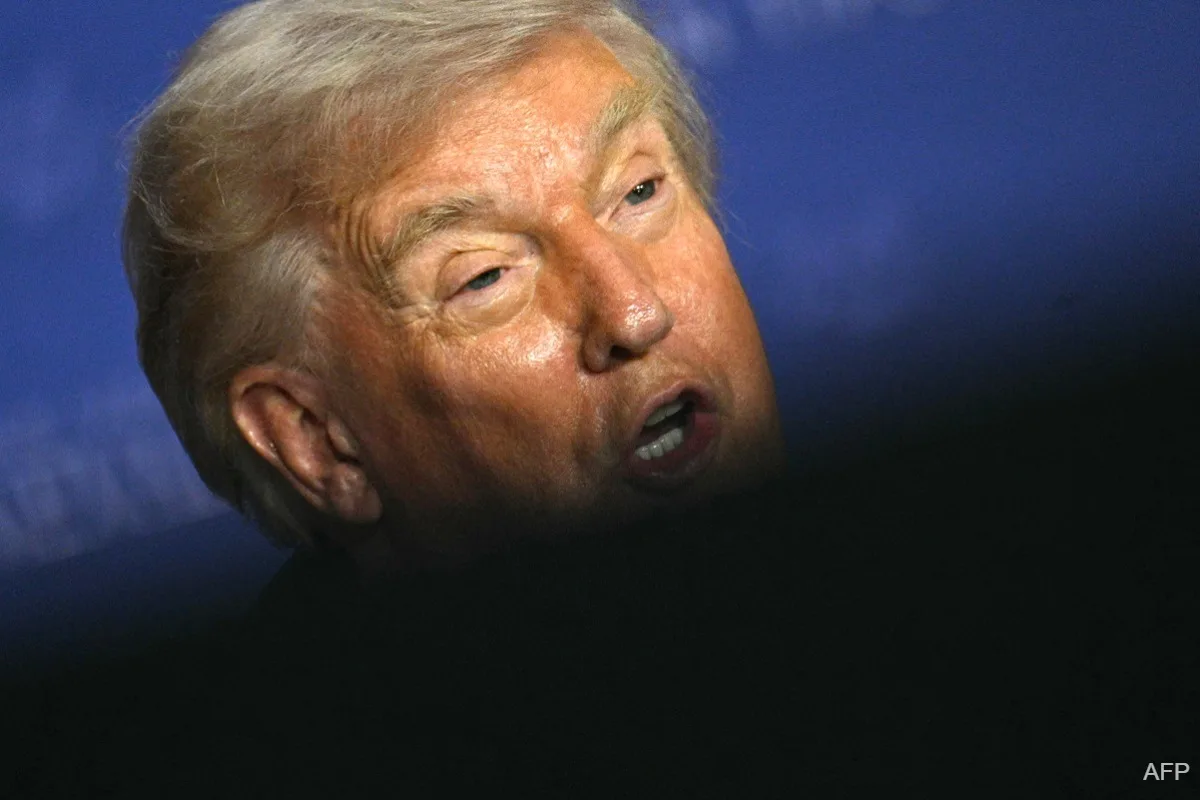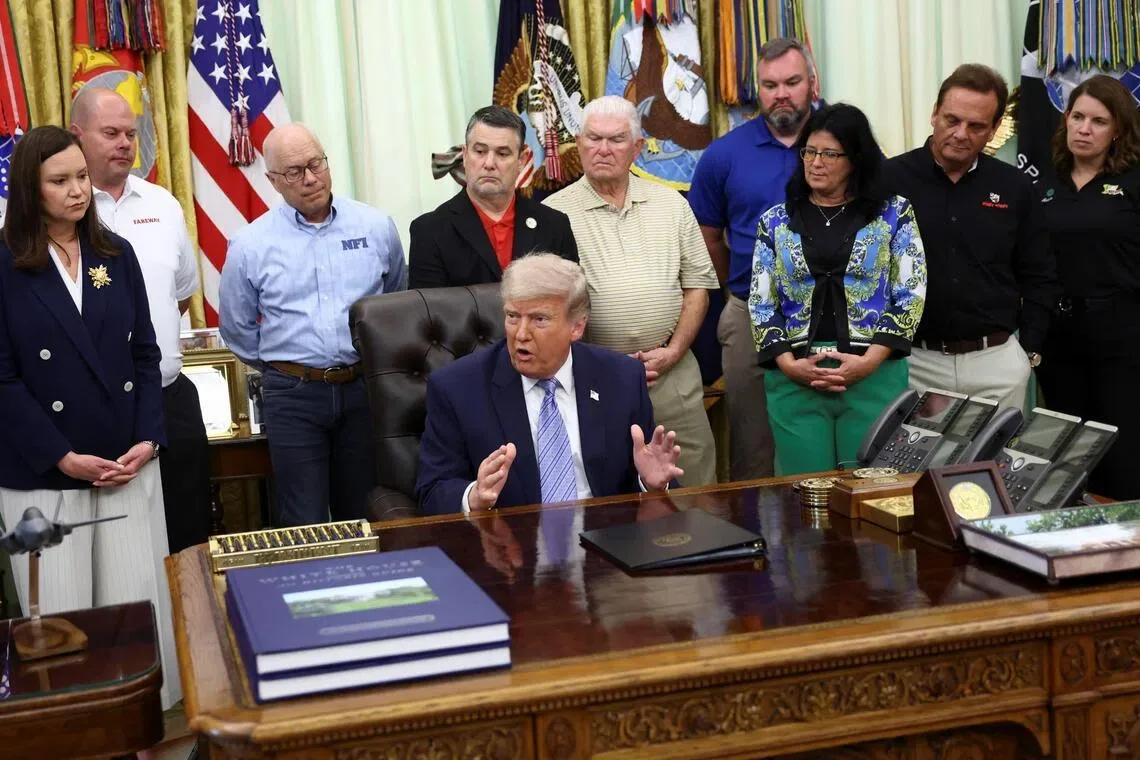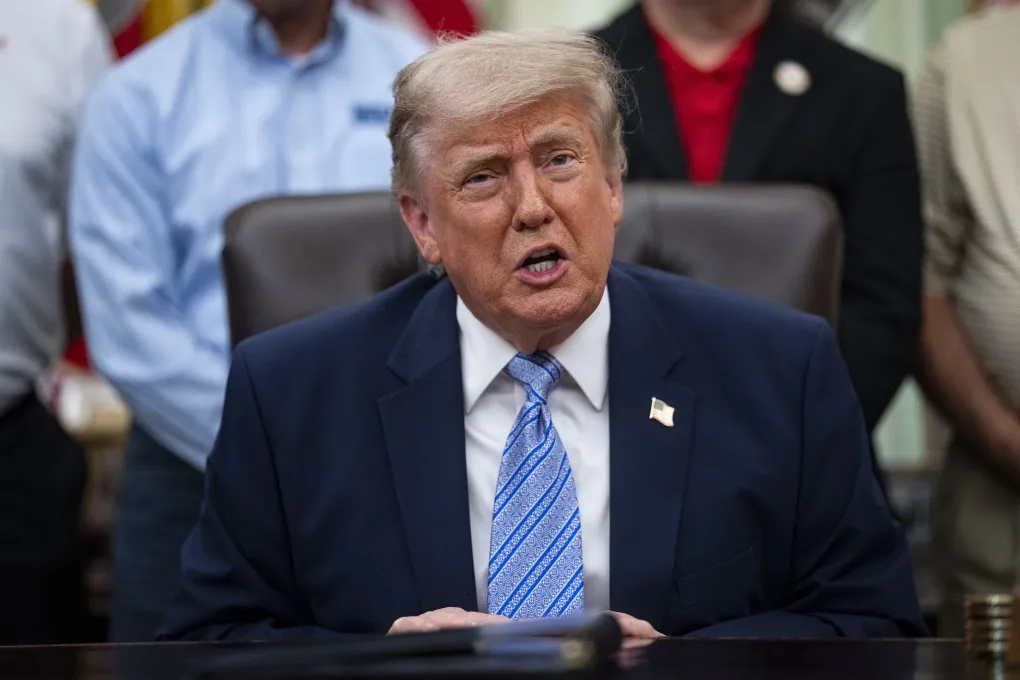
US President Donald Trump postponed signing an executive order on artificial intelligence on May 21, 2026, saying he did not like certain parts of the text and was concerned it could hinder US AI leadership against China [1, 2, 3, 4, 5, 6, 7, 8, 9, 10, 11]. The order had been scheduled for a ceremony that included AI industry leaders before being abruptly delayed [1, 3, 5, 6, 7, 9, 11].
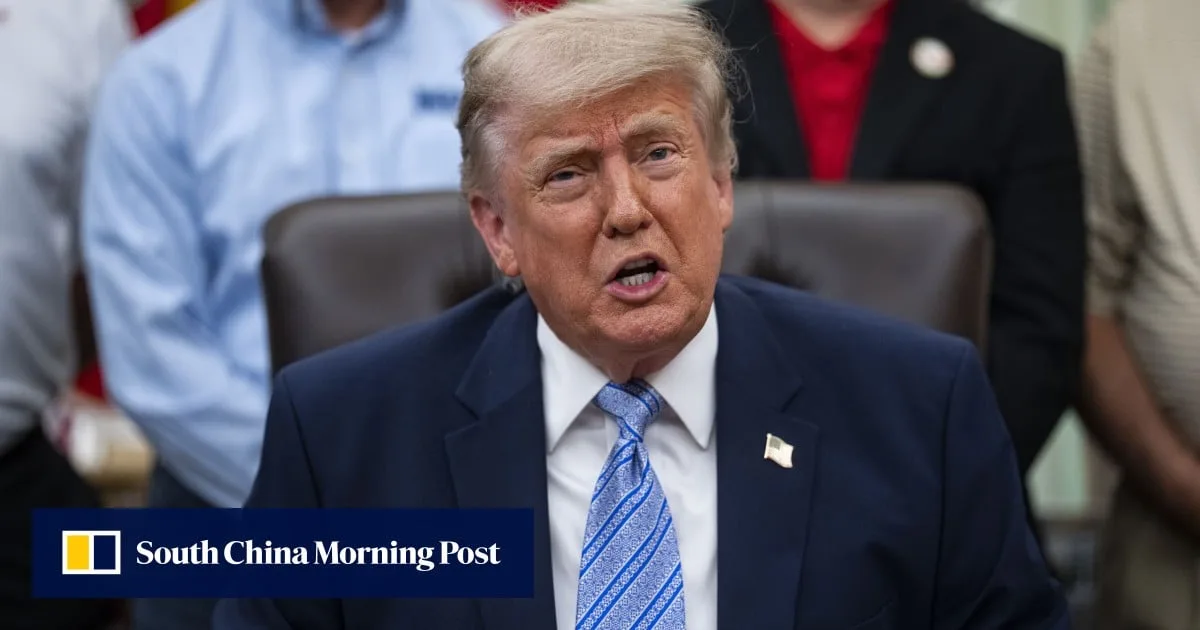
Trump said, "Because I didn’t like certain aspects of it I postponed it. I didn’t like what I was seeing. We’re leading China, we’re leading everybody, and I don’t want to do anything that’s going to get in the way of that lead" [1]. He described AI as "causing tremendous good" and creating "tremendous numbers of jobs," adding, "We have to grow that baby [AI] and let that baby thrive. We can't stop it. We can't stop it with politics... [and] foolish rules and even stupid rules" [1, 11].
The executive order would have established a voluntary framework for AI companies to share details of advanced models with the US government between 14 and 90 days before public release [3, 4, 7, 10, 11]. This was in response to security concerns over powerful AI technologies like Anthropic's Mythos, which experts fear could be misused for cyberattacks [1, 3, 5, 7, 10, 11].
The Trump administration faced internal disagreements and pushback from the tech industry about the proposed regulations [1, 3, 5, 9, 11]. Reports said several tech CEOs, including Elon Musk and Mark Zuckerberg, opposed or urged postponement of the order [3, 4, 5, 9, 11]. Musk disputed involvement, saying, "this is false. I still don’t know what was in that EO and the president only spoke to me after declining to sign" [4].
Trump acknowledged the executive order could have been "a blocker" to AI progress, emphasizing not wanting to hinder US global leadership in the sector [2]. The delay leaves the final form of US AI regulatory policy uncertain, as the administration reassesses the balance between security and competitiveness.
The White House has not announced a new date for signing or revising the executive order.