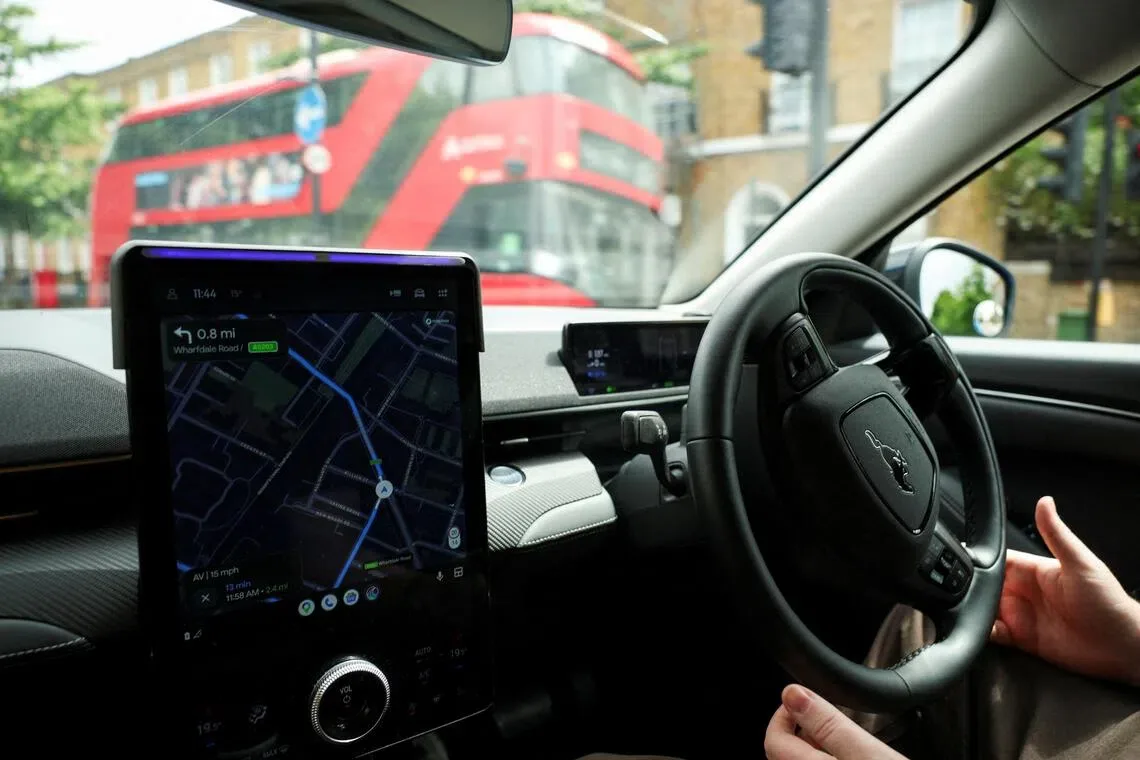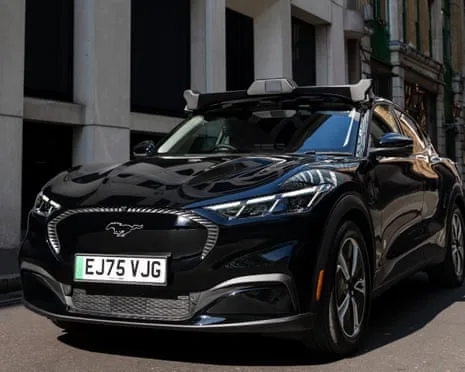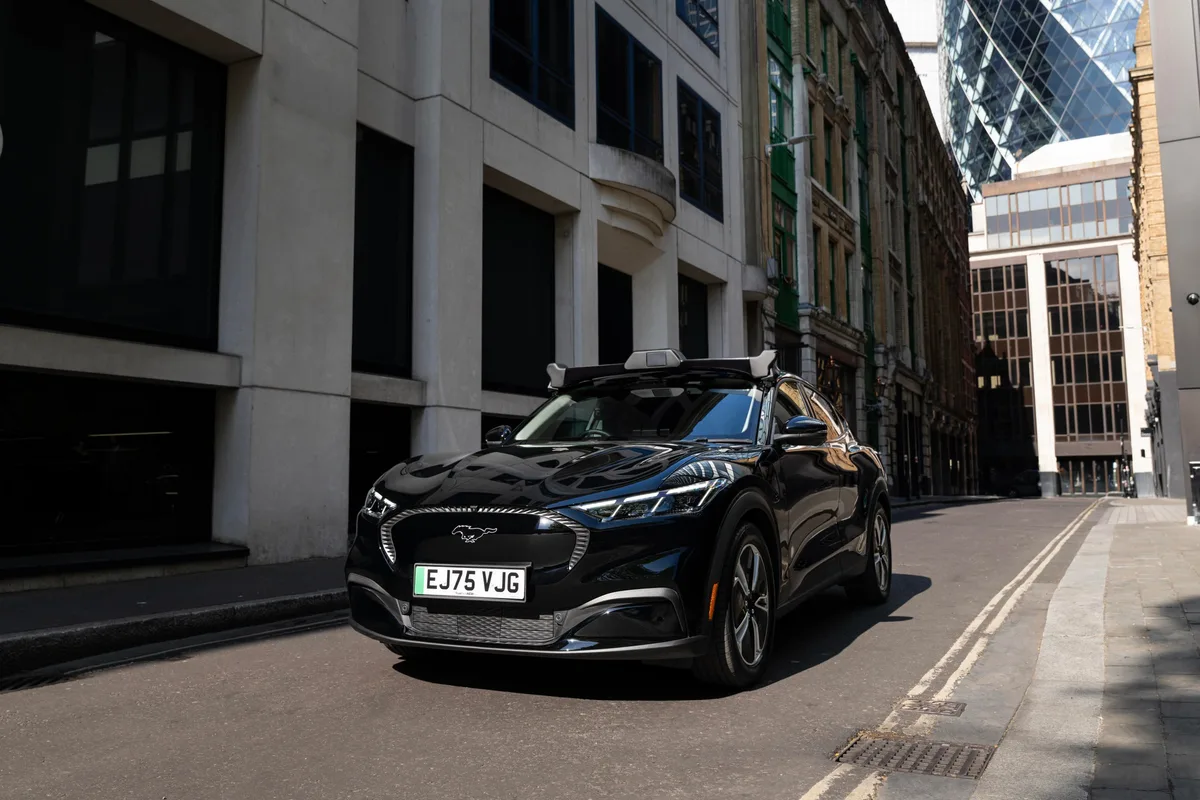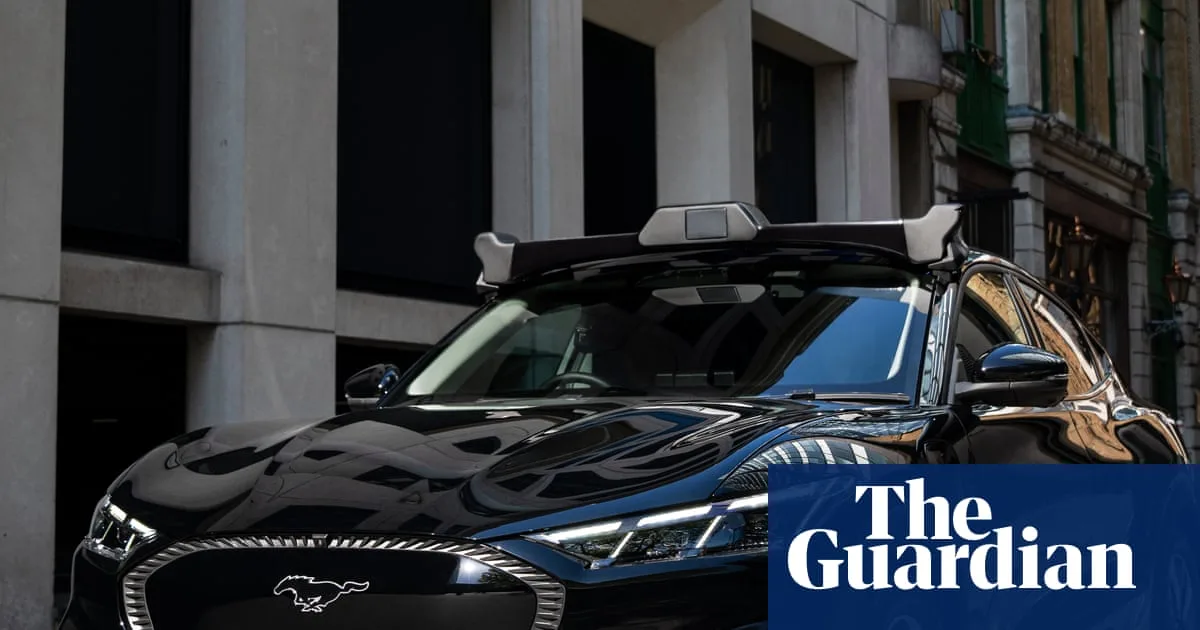
Uber and British startup Wayve launched London's first commercial robotaxi service on September 3, 2026, with a human safety driver behind the wheel of each vehicle [1, 2, 3, 4].
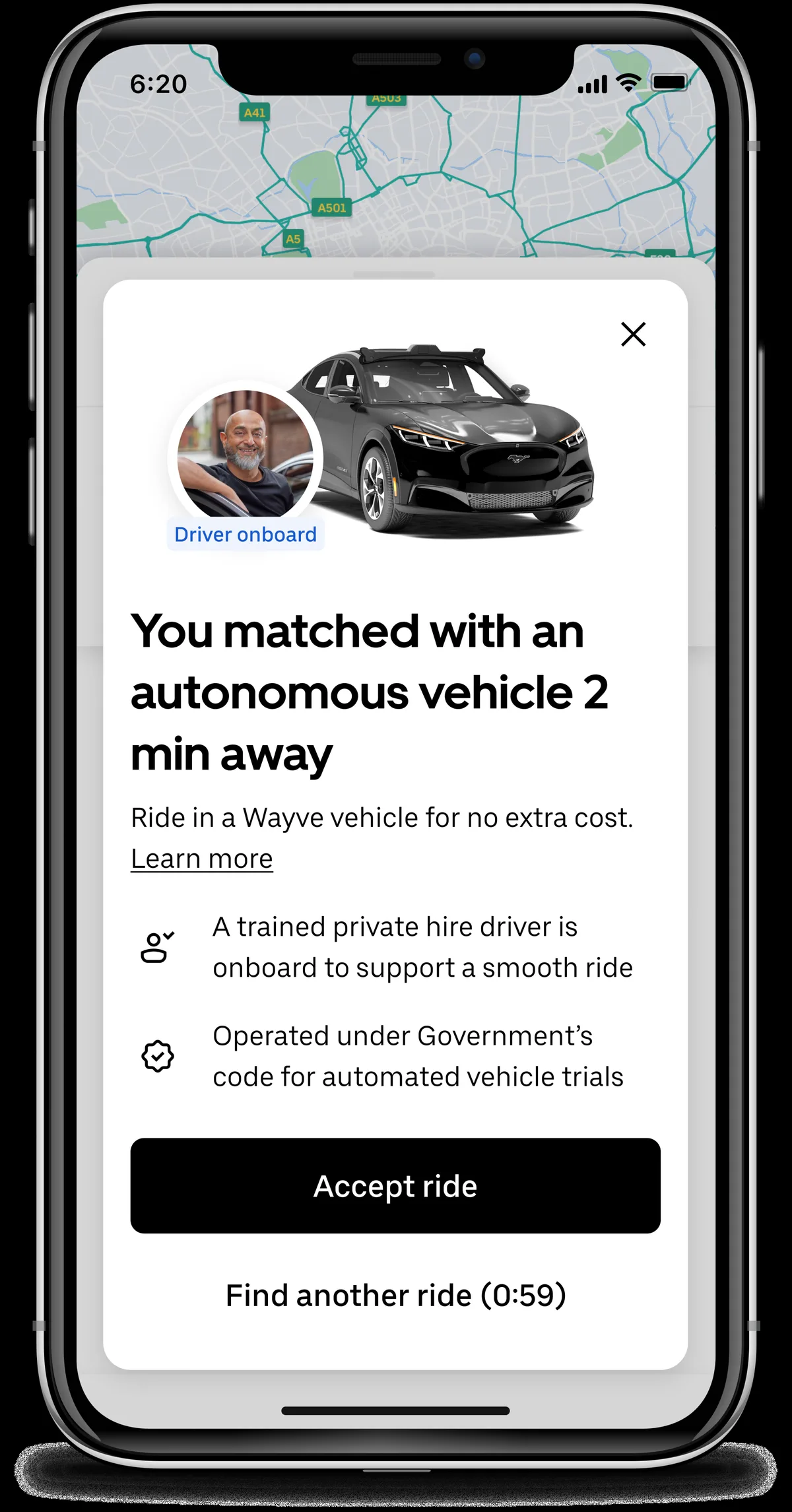
The initial fleet includes 15 Ford Mustang Mach-E cars fitted with Wayve's AI-driven autonomy system, approved last month by Transport for London as private hire vehicles with mandatory safety drivers present [1, 2, 3, 4]. Passengers can request robotaxis through the Uber app under UberX, Uber Comfort, or Uber Electric options. However, availability remains limited compared to London's overall private hire fleet of more than 100,000 vehicles [2, 3, 4].
Uber and Wayve said fares will match regular Uber ride prices, though no tipping option will appear despite the human supervisor’s presence [1, 4]. Wayve's autonomous technology relies on its AV2.0 AI learning model, notably without lidar or geofencing, aiming for a scalable approach distinct from traditional systems that use high-definition maps [2, 3].
Transport for London has not yet approved any fully driverless robotaxis, and no such launch date for completely autonomous vehicles was announced. Wayve and Uber gave no timeline, while competitor Waymo targets a driverless debut in London by the end of 2026, pending regulatory approval [1, 2].
Other companies like Waymo and Baidu are testing or planning autonomous taxi services in London, but Uber and Wayve are the first to launch a commercial, publicly available robotaxi ride [1, 2, 3].
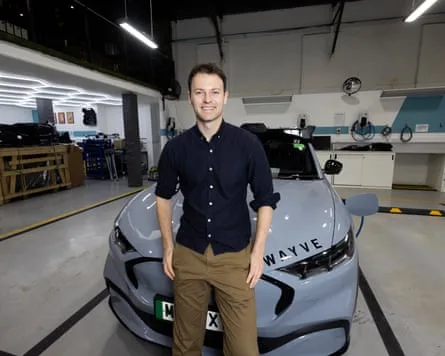
Uber’s head of product Wendy Lee described the rollout as a phased deployment starting with "dozens" of vehicles, reflecting the cautious introduction [1]. Wayve’s head of business development Kaity Fischer emphasized safety with operators behind wheels to protect passengers [1]. Wayve CEO Alex Kendall called London "one of the most complex driving environments in the world" and said fully driverless services are being pushed forward "as fast as we can" [2].
Wayve plans to expand the robotaxi offering beyond London to Tokyo and 10 additional cities with Uber [1, 4]. The rollout will proceed through 2026 with current operations limited to supervised driving.
The initial demonstration ride took place near Big Ben on September 1, two days before the public launch [1, 2]. Transport for London's licensing of the vehicles occurred in August 2026 [2, 4].