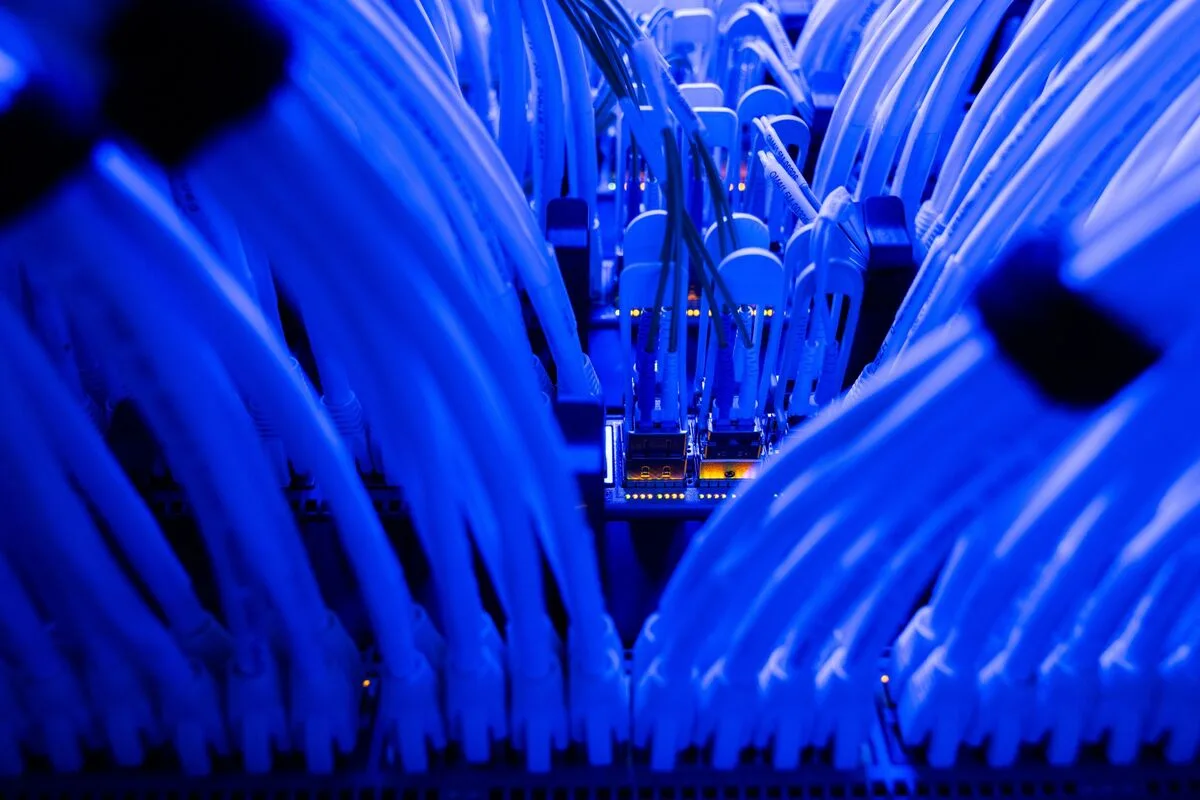
Miles of fiber-optic cables lie beneath the world's oceans, carrying internet traffic and forming the backbone of the global internet system [1, 2, 3]. Despite advances in technology, the global undersea cable system remains largely old-fashioned, resembling historic telegraph networks rather than modern wireless infrastructure [1, 3].
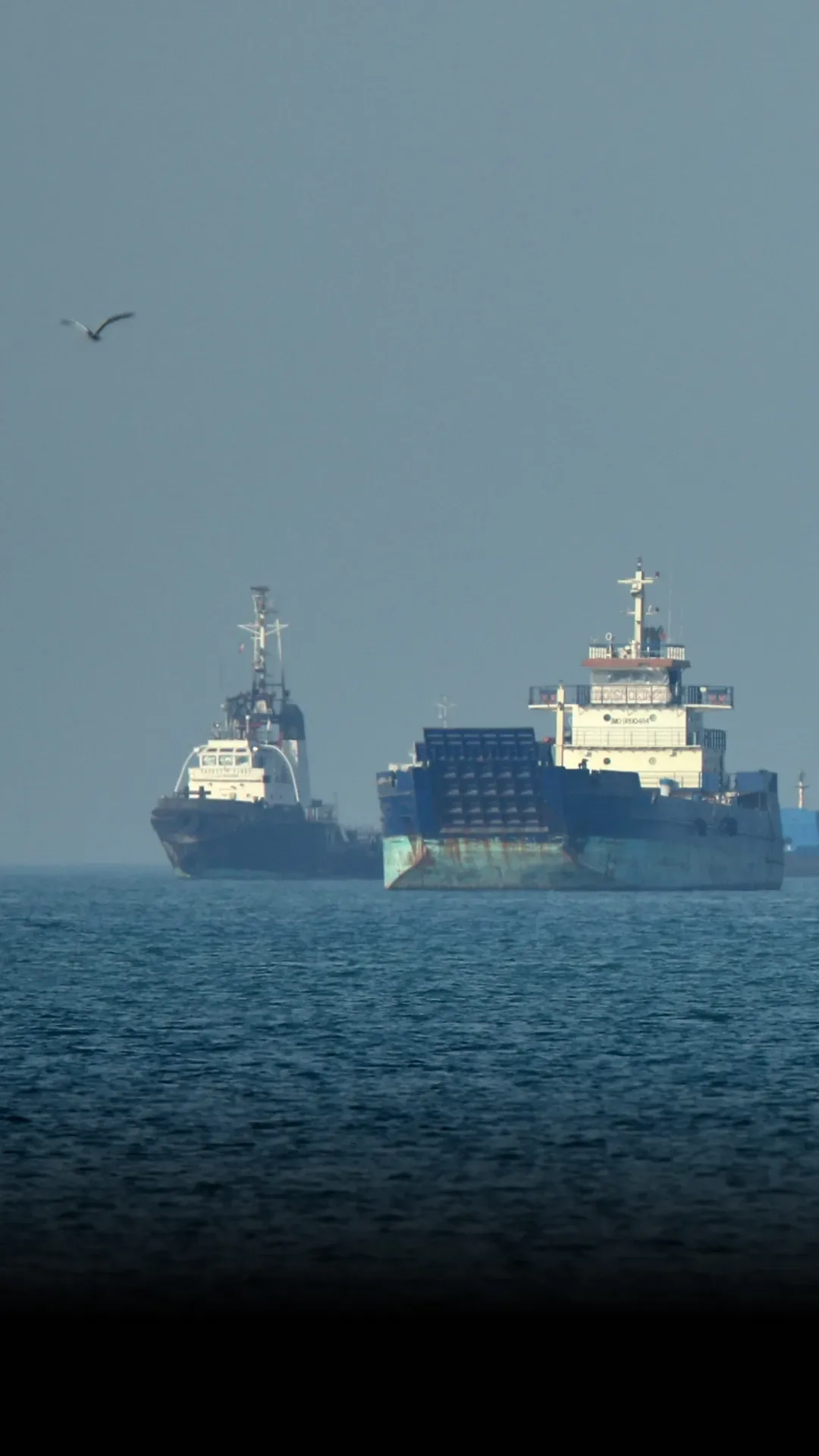
Geographic features such as the Strait of Hormuz and the Suez Canal strongly influence where these cables are laid, creating chokepoints that can carry strategic risk [1, 2, 3]. A geopolitical crisis in the Strait of Hormuz could threaten critical cable infrastructure, potentially disrupting internet connectivity on a large scale [2].
The infrastructure is delicate and vulnerable to natural disasters. For example, a volcanic eruption in 2022 severed cables to Tonga, cutting off internet access to the island nation for an extended period [1, 3]. On May 13, 2026, writer Samanth Subramanian highlighted the fragility and geographic constraints of undersea cables in a discussion on the Odd Lots podcast, noting that "The internet is not, and has never been, truly weightless or wireless" [1, 2, 3].
The term "series of tubes" to describe the internet's physical network was coined by U.S. Senator Ted Stevens in 2006, illustrating how the concept of physical cable connectivity has long been part of public discourse [1].
Researchers and industry experts continue to monitor these undersea networks closely due to their strategic importance and vulnerability. As the oceanic cable system ages, new challenges loom over maintaining and securing this critical infrastructure.