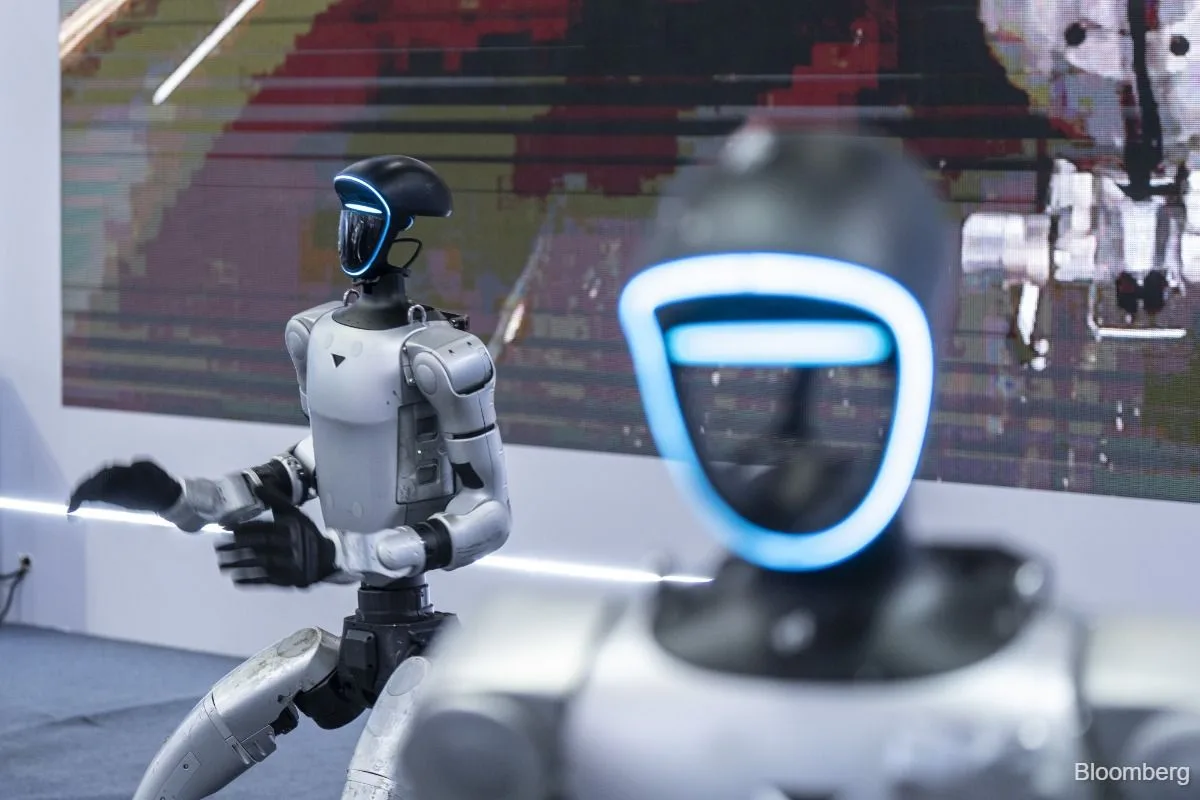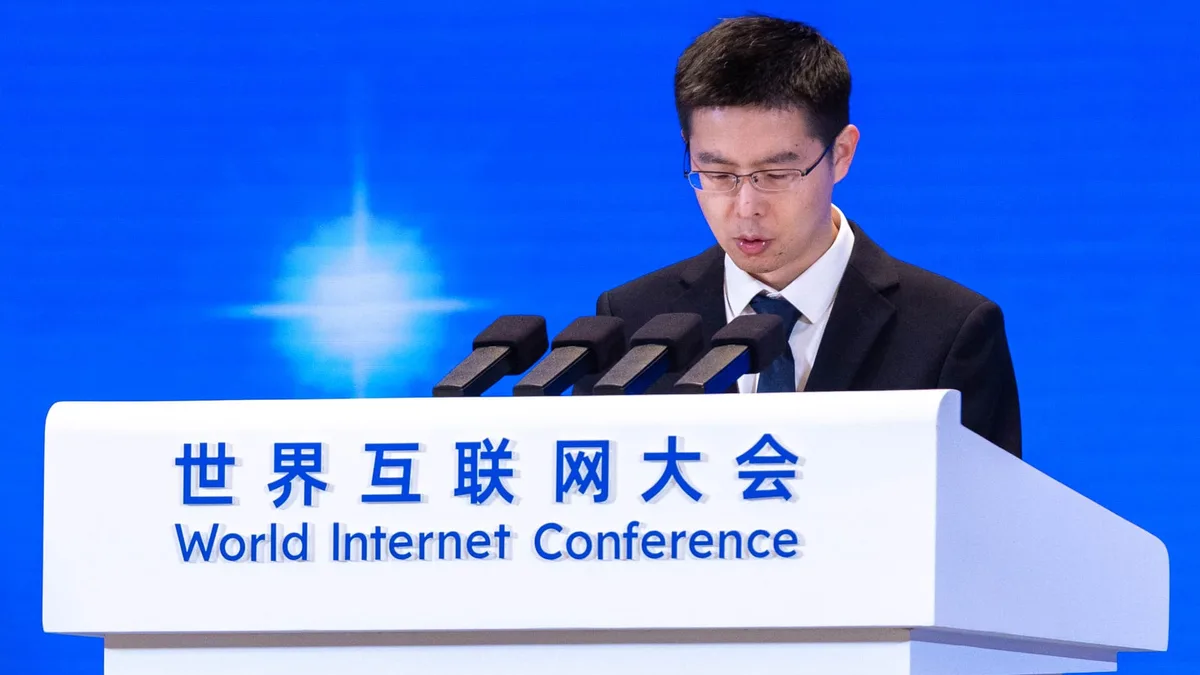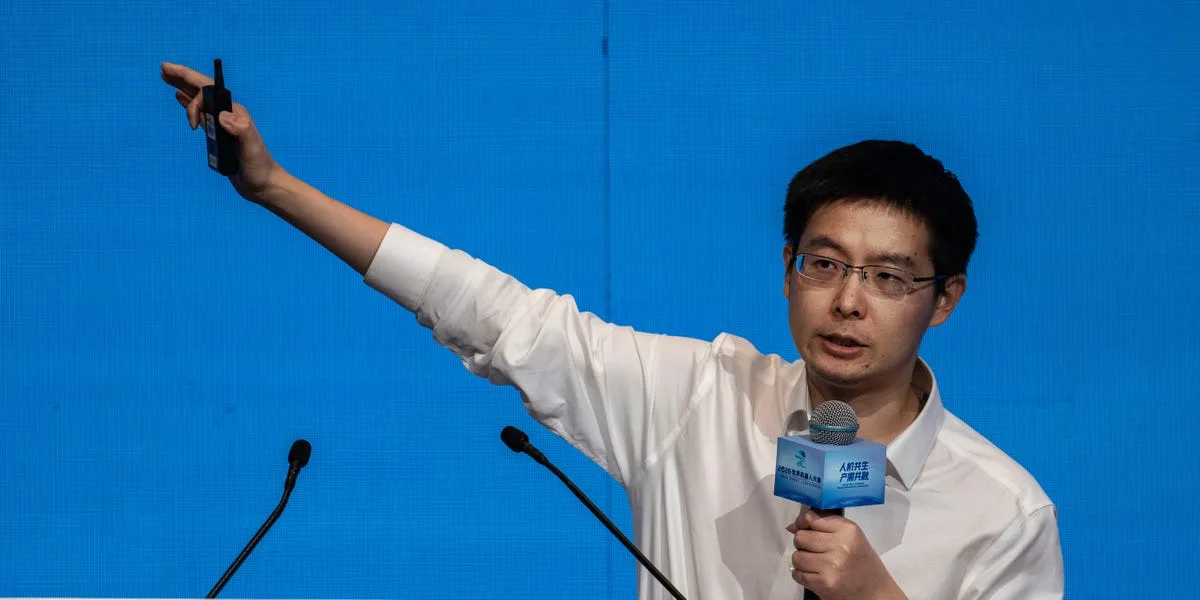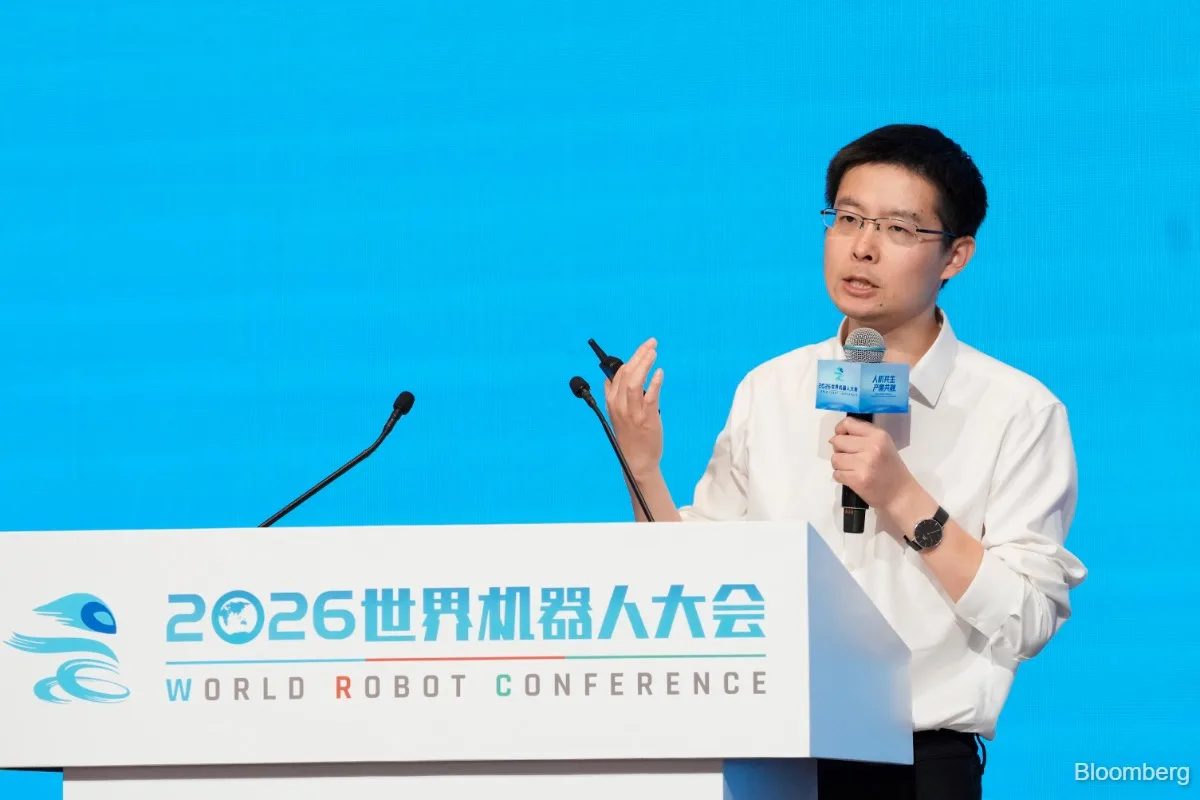
Unitree Robotics founder Wang Xingxing said humanoid robots will reach mass market popularity within 10 years after solving key usability challenges. He noted the market will take off when robots can handle about 80% of tasks given by voice or text commands in unfamiliar settings. "If one day a robot is brought into a completely unfamiliar environment, such as a home it has never seen before, and it can complete about 80% of the tasks just through voice or language commands, then I think we will have roughly reached the 'ChatGPT moment' for embodied intelligence," Wang said during a keynote at the World Robot Conference in Beijing on August 20, 2026 [1, 2, 3].
Wang estimated that this breakthrough could come in as little as 2 to 3 years if progress moves quickly or take between 5 and 10 years if it moves slower. "The core challenge is perfecting the precision of robots' movements, as they can reliably plan broad movements but fail at 'the last few centimeters or millimeters,'" he said [2]. He also highlighted the major obstacle that robots currently need retraining to generalize tasks and operate in different environments [2, 3].
Unitree is tackling these challenges by pursuing a self-evolving AI loop where artificial intelligence generates and tests control code to improve robot motion precision [2]. The company already shipped more than 5,500 humanoid robots in 2025, the largest volume globally [1]. Global humanoid robot shipments rose to about 19,000 units in the first half of 2026, a 272% increase from a year earlier [2]. JPMorgan forecasts global shipments to reach 1.75 million units by 2030, with China expected to account for more than half of demand [1].
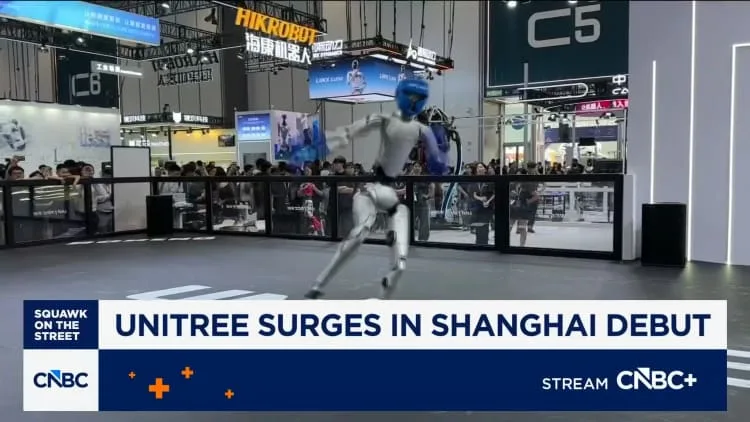
Unitree completed a Shanghai IPO on August 19, 2026, raising approximately $905 million. Its shares surged 460% above the offer price at the open before dropping nearly 19% to close at 687 yuan on August 20 [2, 3].
Wang’s timeline for development and commercialization was outlined just after the IPO. The company and industry will watch closely for advancements in robot adaptability and motion precision to hit the "ChatGPT moment" of embodied AI. The next major milestone is gauging progress over the next few years, potentially as soon as 2028 or by 2030 if development slows [1, 2, 3].