A US-backed project to build an artificial intelligence hub in the Philippines could attract an initial investment of about $10 billion, officials said [1, 2].
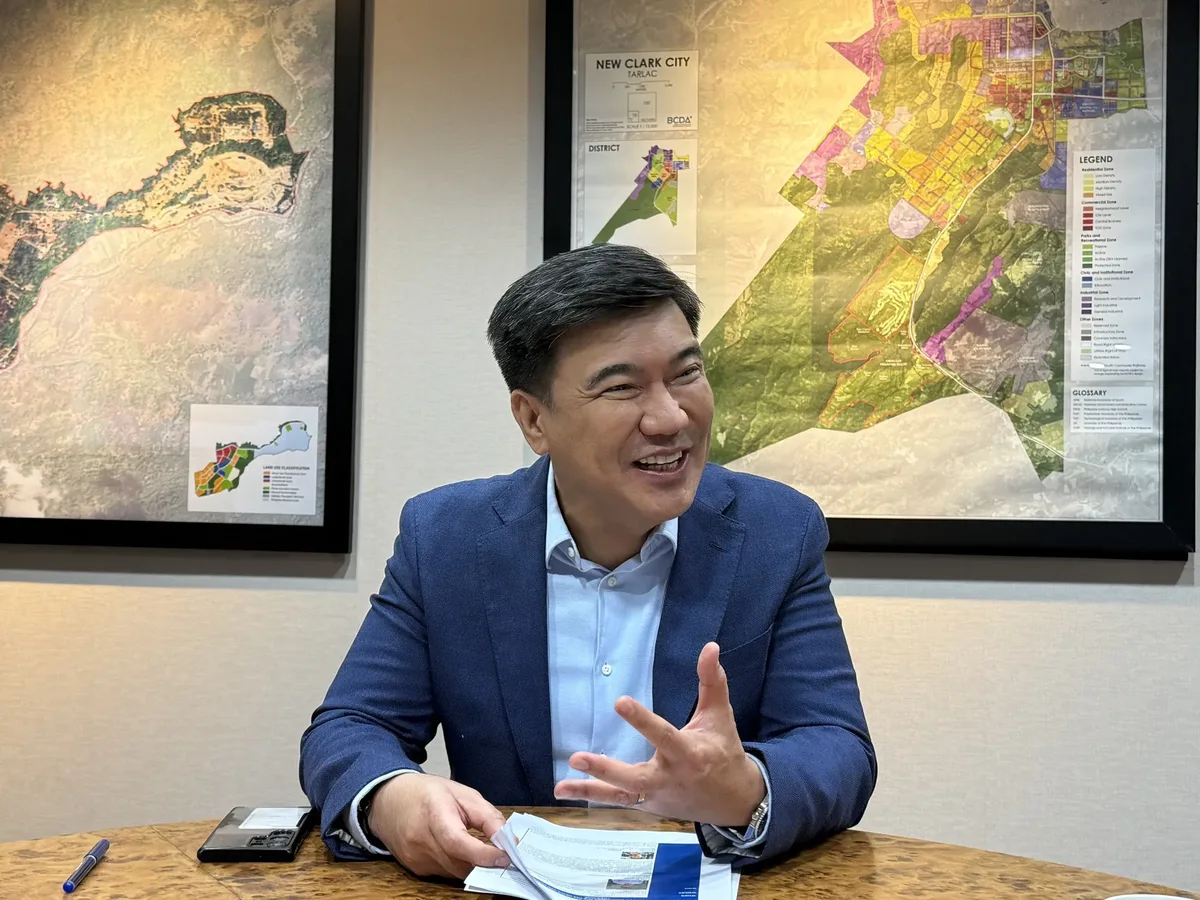
The hub will be located on a 4,000-acre site near the Clark Freeport Zone, a former US air base north of Manila. The area is envisioned as the Philippines' equivalent of Silicon Valley and will support green energy, semiconductor manufacturing, logistics, and data centers [2].
The Philippine government aims to sign an initial agreement with the US State Department in 2026 and may offer a lease of up to 99 years to the United States for the site [2].
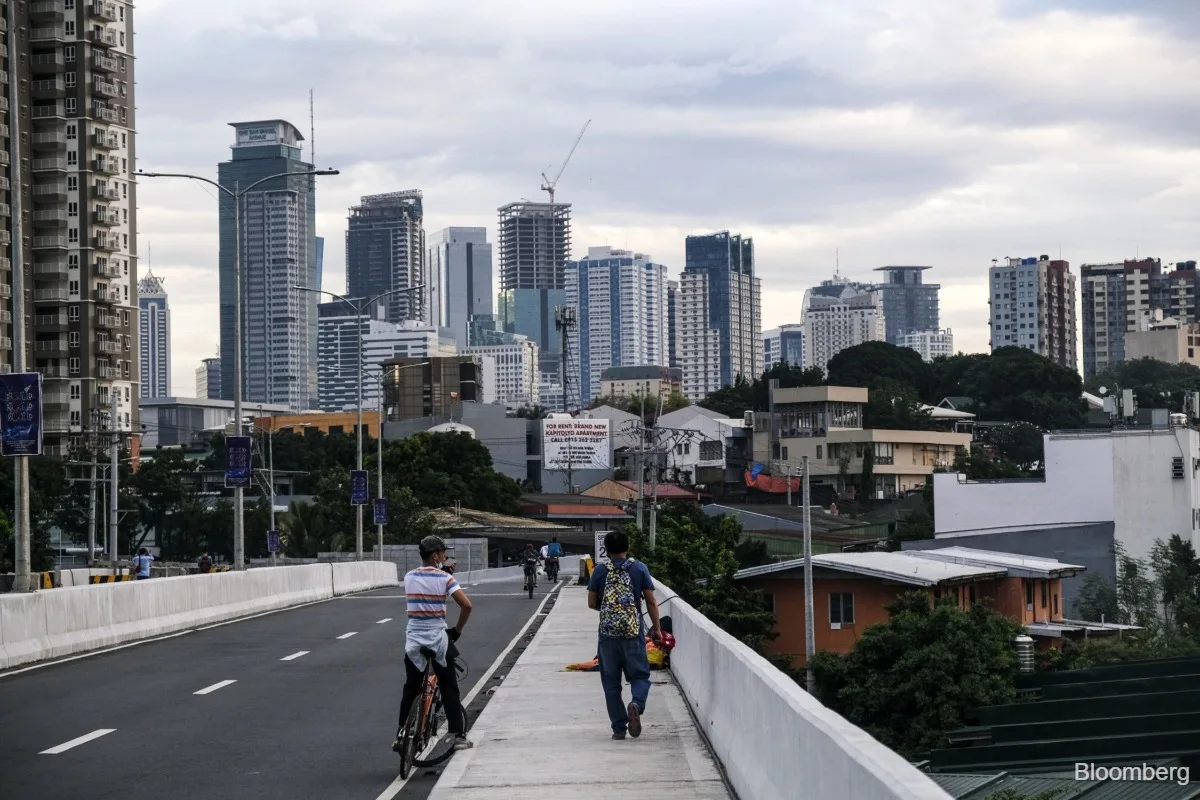
The project forms part of Pax Silica, a Washington-led supply-chain alliance that includes Australia, India, Israel, Japan, and the UK [2]. The hub is designed to transform the Philippine economy, which Joshua Bingcang explained has long been service-oriented and reliant on imports. He said, "For us, it’s a way to catch up in terms of industrial activity. For the longest time we are a service-oriented economy dependent on importation" [2].
Bingcang also emphasized the long-term vision, stating, "We want this contract to stand the test of time. It should transcend several administrations" [2].
Beyond economic goals, the project is expected to deepen both economic and military ties between the US and the Philippines [2].
The next major step is the anticipated signing of the initial agreement between the Philippines and the US State Department scheduled for 2026 [2].