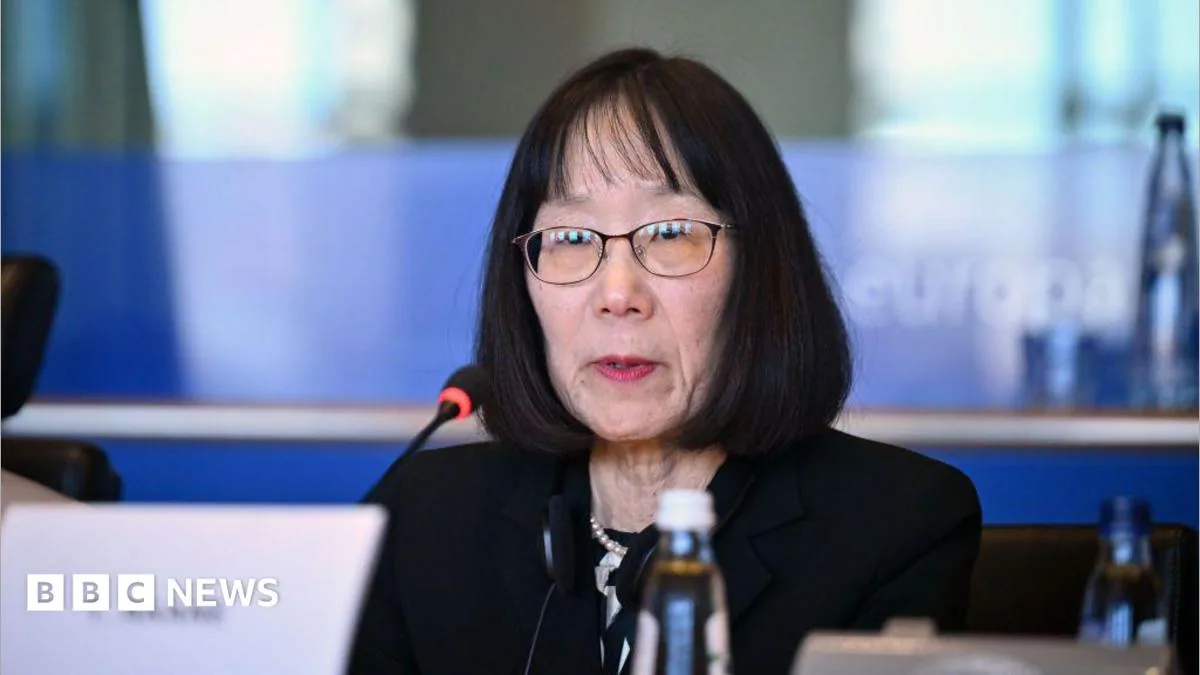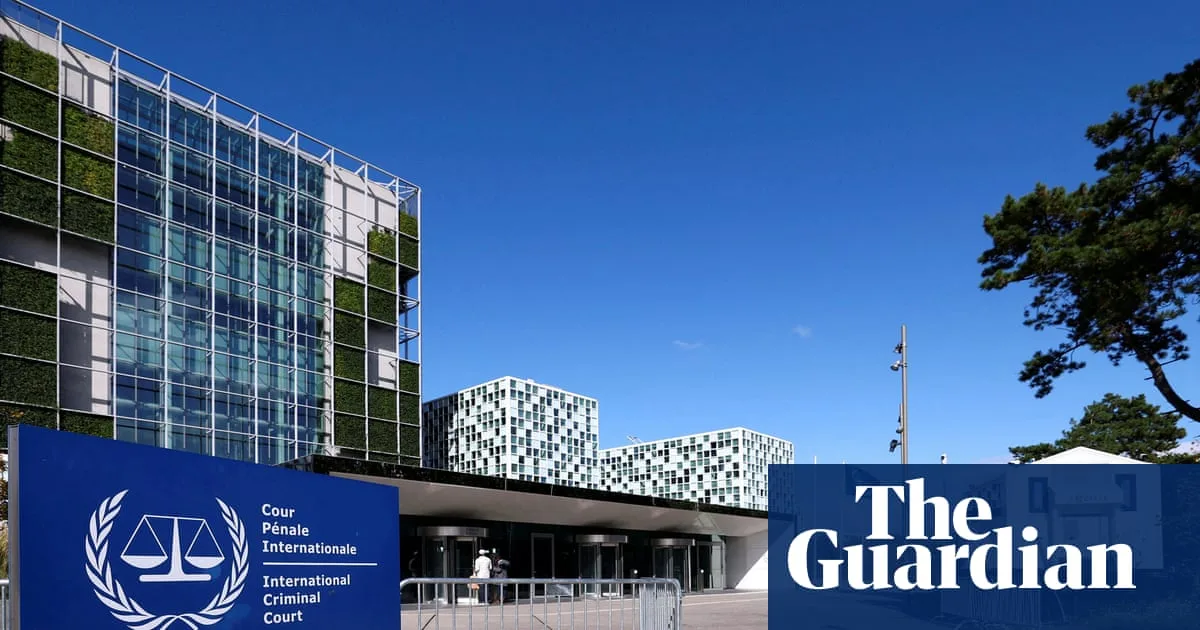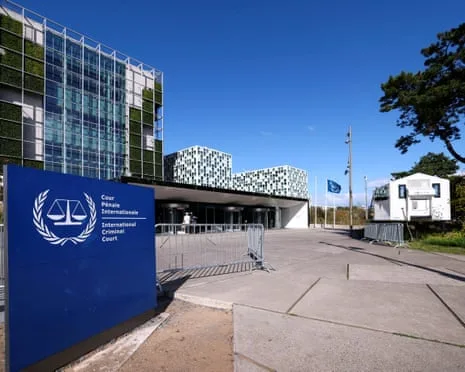
The US imposed sanctions on International Criminal Court President Tomoko Akane of Japan and Senior Trial Lawyer Abdoulaye Seye of Senegal on August 18-19, 2026, freezing their assets in US jurisdictions and blocking access to US financial systems and transactions [1, 2, 3, 4].
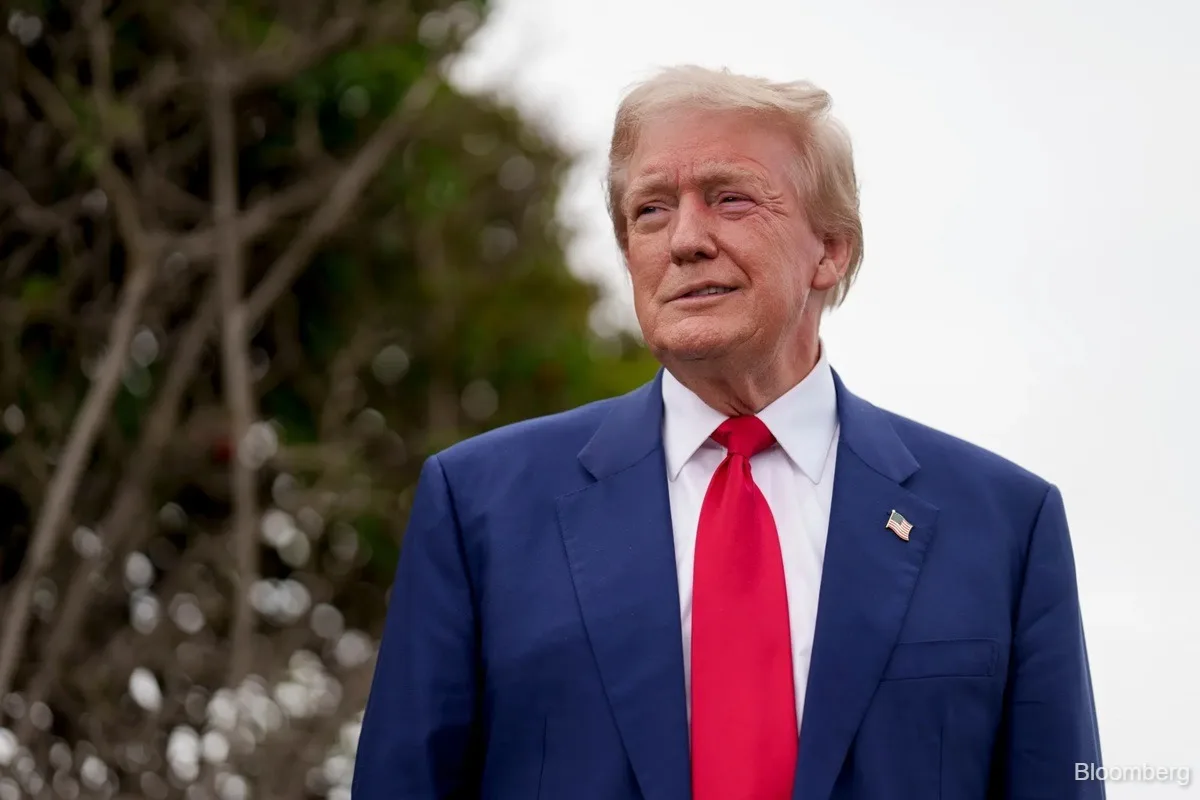
The sanctions are part of a broader campaign launched by the Trump administration around February 2025 aimed at dismantling the ICC by sanctioning officials and pressuring member countries to withdraw [1, 5, 4]. US Secretary of State Marco Rubio called the ICC "a corrupt and fatally politicized supranational court that has maliciously abused its authority and exceeded its mandate" and said the officials sanctioned "have directly engaged in efforts by the ICC to investigate, arrest, detain, or prosecute officials whose government has not consented to ICC jurisdiction" [1, 4, 3].
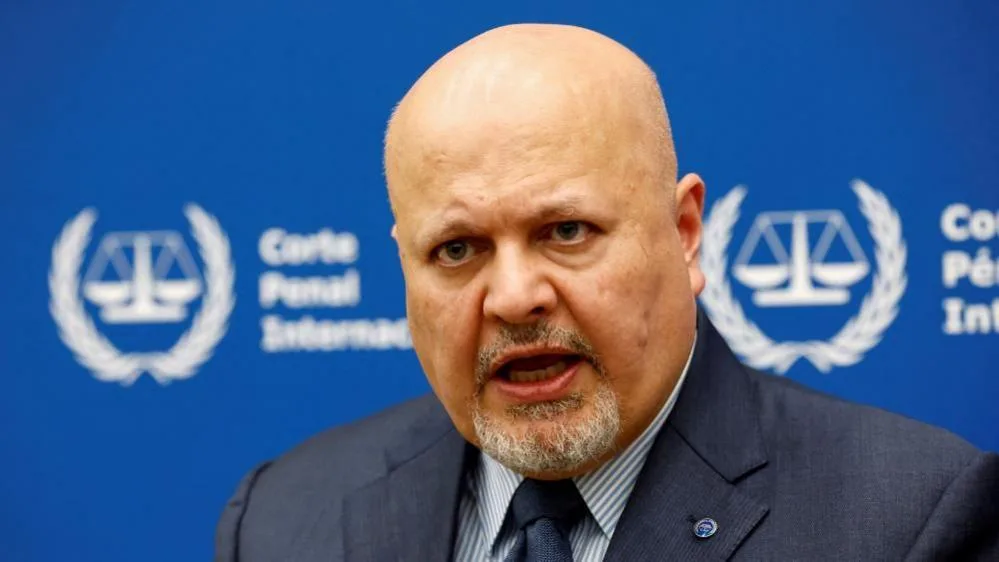
At least 11 ICC officials have been sanctioned by the US, including nine judges, deputy prosecutors, the chief prosecutor, and other staff [1, 2, 6, 7]. The ICC, established in 2002 to prosecute genocide, crimes against humanity, war crimes, and aggression, claims jurisdiction when crimes occur in its 125 member states, such as Afghanistan and Palestine, despite the US and Israel not being members [1, 5, 2, 3, 7].
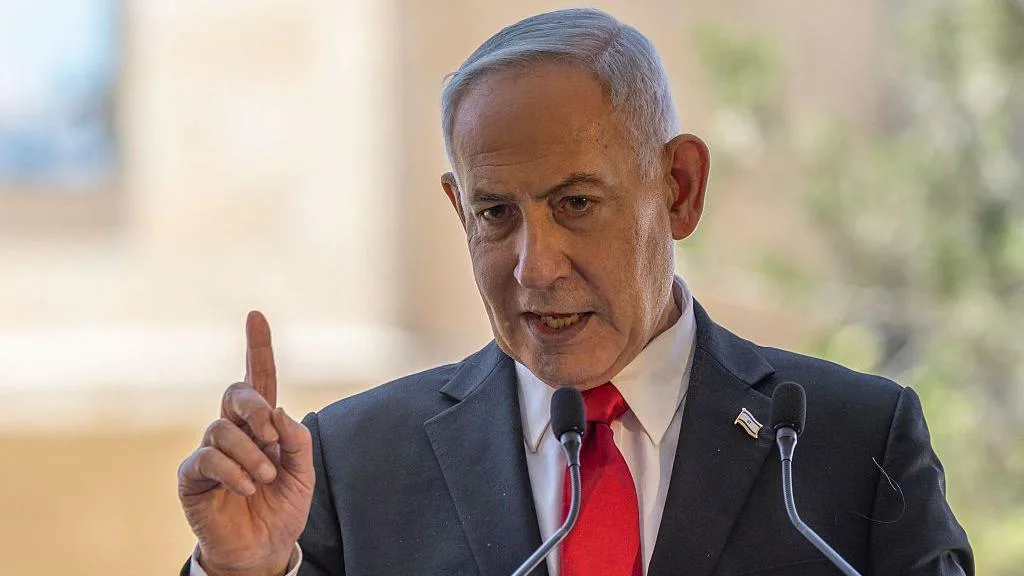
The US objects to ICC probes involving non-member states and officials, asserting the court exceeds its mandate by investigating US and Israeli officials. In November 2024, the ICC issued arrest warrants for Israeli Prime Minister Benjamin Netanyahu and former Defense Minister Yoav Gallant over alleged war crimes in Gaza [1, 8, 4]. The Trump administration views the ICC as a threat to US sovereignty [1, 5, 2, 3, 4].
Japan, a major ICC funder and US ally, called the sanctions against Akane "very unfortunate" and reiterated support for the court. The Japanese Ministry of Foreign Affairs said "Japan has consistently supported the ICC" and remains "committed to strengthening the rule of law in the international community" [5, 7]. Germany and Spain also condemned the US sanctions. Germany's Foreign Ministry deputy spokesman Martin Giese said, "The ICC has exposed heinous crimes against humanity. It is fulfilling its mandate exactly as intended" [8]. Spain's Foreign Ministry called the sanctions "a flagrant attack on the independence, integrity and impartiality of the International Criminal Court" and expressed full solidarity with affected court staff [9].
The ICC described the US sanctions as "a flagrant attack against the independence of an impartial judicial institution" and vowed to continue its work with impartiality [2, 7]. The sanctions restrict ICC officials’ travel to the US and access to financial services, affecting their daily lives [2].
The sanctions take effect on September 17, 2026 [3].