US officials are investigating whether policy decisions made under the Trump administration in May 2025 created legal loopholes that allowed Chinese companies such as Alibaba to acquire Nvidia’s advanced Blackwell AI chips through third countries like Singapore and Malaysia [1, 2, 3]. The investigation focuses on whether shipments to Chinese firms via servers and contract manufacturing arrangements bypassed US export restrictions.
The Commerce Department’s Bureau of Industry and Security (BIS) confirmed in a memo dated May 31, 2026, that the AI chip sales restrictions imposed in 2023 remain in force and denied the existence of any loophole [1, 2, 3]. A BIS official told Reuters, "The loophole never existed in the first place. Even before the memo, shipments without Washington approval violated export controls" [2].
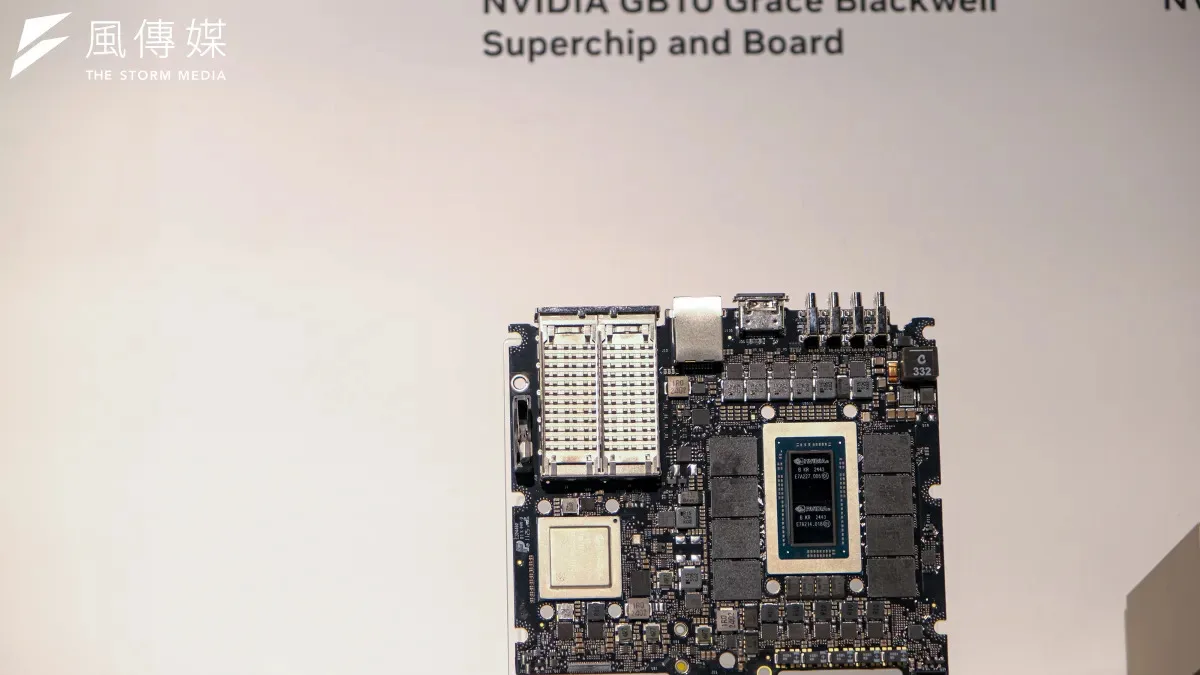
However, some officials believe that policy changes in May 2025 weakened US controls. They point to the Trump administration abandoning Biden-era rules that required firms to seek US permission on all AI chip exports. Instead, only a "chip foundry due diligence rule" remained, which experts say made enforcement weaker [3]. This may have allowed Nvidia Blackwell chips and contract chip manufacturing by companies like TSMC and Samsung for Chinese tech giants to legally proceed through third countries [3].
The original 2023 US export restrictions aimed to block advanced AI chip flows to China’s tech sector [1, 2, 3]. The May 2025 BIS policy shift, however, has come under scrutiny for possibly narrowing that scope more than publicly acknowledged [1, 2, 3].
Congressional reactions split along party lines. Republican Congressman John Moolenaar praised the May 31 memo’s closure of the alleged loophole [1]. In contrast, Democrats Senators Elizabeth Warren and Andy Kim criticized the Trump-era moves, with Warren saying, "The Trump administration’s policies may have inadvertently allowed America’s most advanced AI chips to flow to companies headquartered in China" [1].
The Chinese Ministry of Commerce reiterated opposition to US export restrictions during a press briefing linked to the BIS announcement [1].
The investigation continues into whether Chinese companies exploited the policy gap to acquire Nvidia Blackwell chips via third countries. The BIS memo aims to clarify that the 2023 export controls remain fully in force and that any shipments without US approval violate the law [1, 2, 3].