The National Institutes of Health (NIH) cut funding for the Centers for Research in Emerging Infectious Diseases (CREID) Network in June 2025, halting the group’s research and outbreak response activities [1, 2].
CREID, established in 2020 with approximately $82 million in funding over five years, focused on studying viruses emerging from wildlife, including Ebola [1, 2]. The network operated 10 sites worldwide, including in Central and East Africa, regions prone to Ebola outbreaks [1, 2].
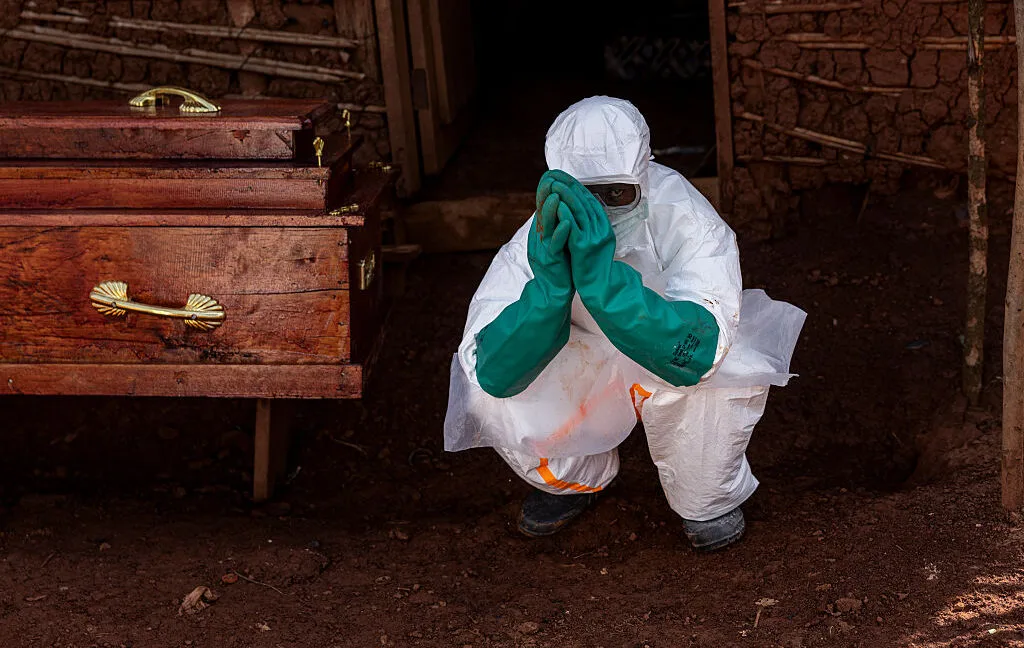
Around May 2026, a rapidly growing Ebola outbreak occurred in the Democratic Republic of Congo’s Ituri province. This outbreak is caused by the Bundibugyo virus strain, distinct from the more common Zaire strain typically seen in the region [2].
Researchers affiliated with CREID reported they have been unable to provide testing or genomic sequencing support to colleagues responding to the outbreak due to a lack of funding and a stop-work order issued by the NIH. This has limited their ability to contribute critical diagnostic tools on the ground [1, 2]. CREID centers had helped develop reagents and diagnostic tests essential for controlling previous outbreaks [2].
Virologist Kristian Andersen criticized the NIH rationale for cutting funding, calling it "pretty rich" given CREID’s role in pandemic preparedness research. Andersen said, "We sit here in San Diego and see this unfold," highlighting the missed opportunity to respond effectively [1].
Robert Garry, another researcher associated with CREID, said, "The whole network would have mobilized," if the funding had not ended [1].
The NIH cited the research as "unsafe for Americans" and not a good use of taxpayer money when it halted funding and ordered work to stop in June 2025 [1, 2]. The loss of CREID’s resources comes at a critical time during the current outbreak.
The Ebola outbreak in Ituri continues to develop, with local and international health agencies responding on the ground. Further updates are expected as the situation evolves.