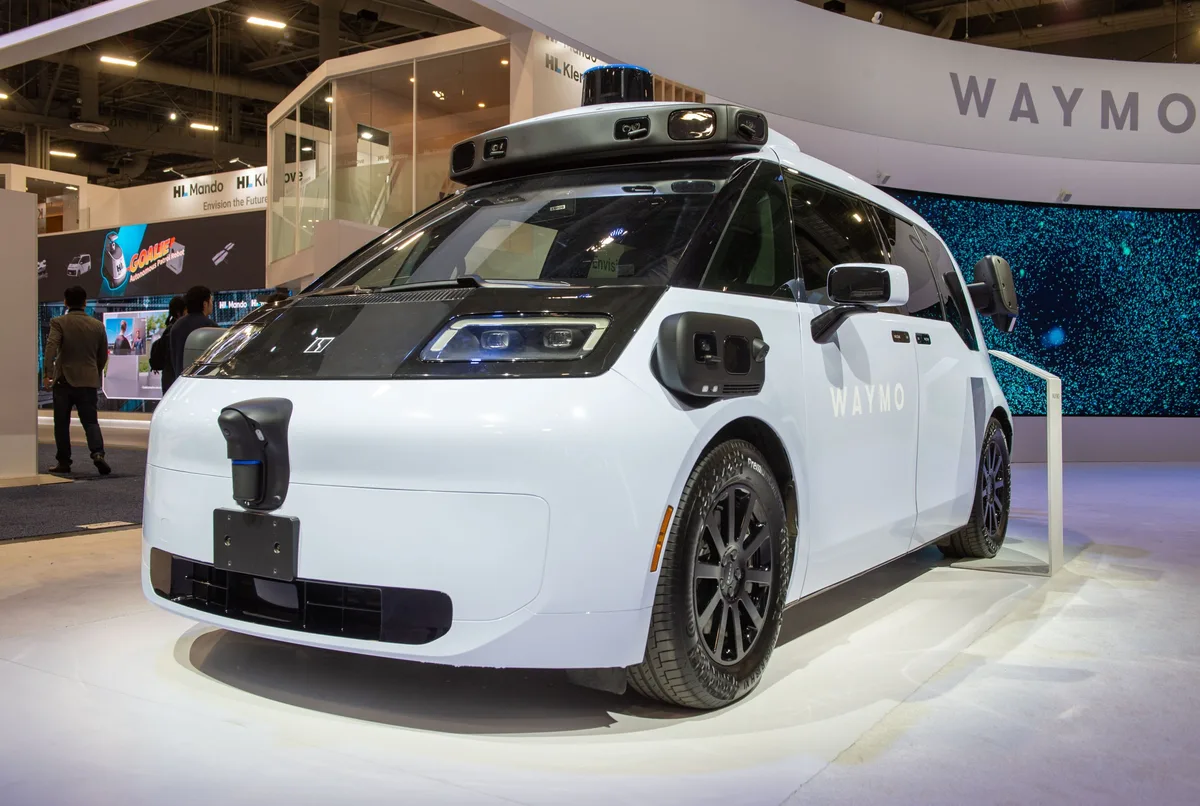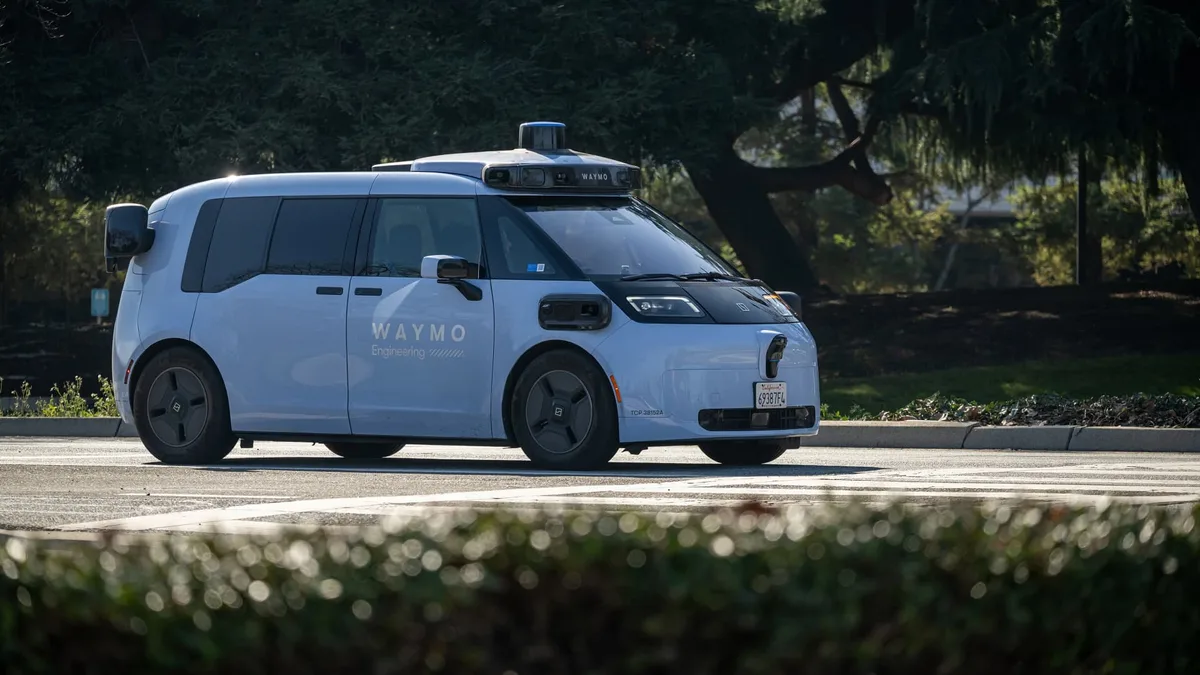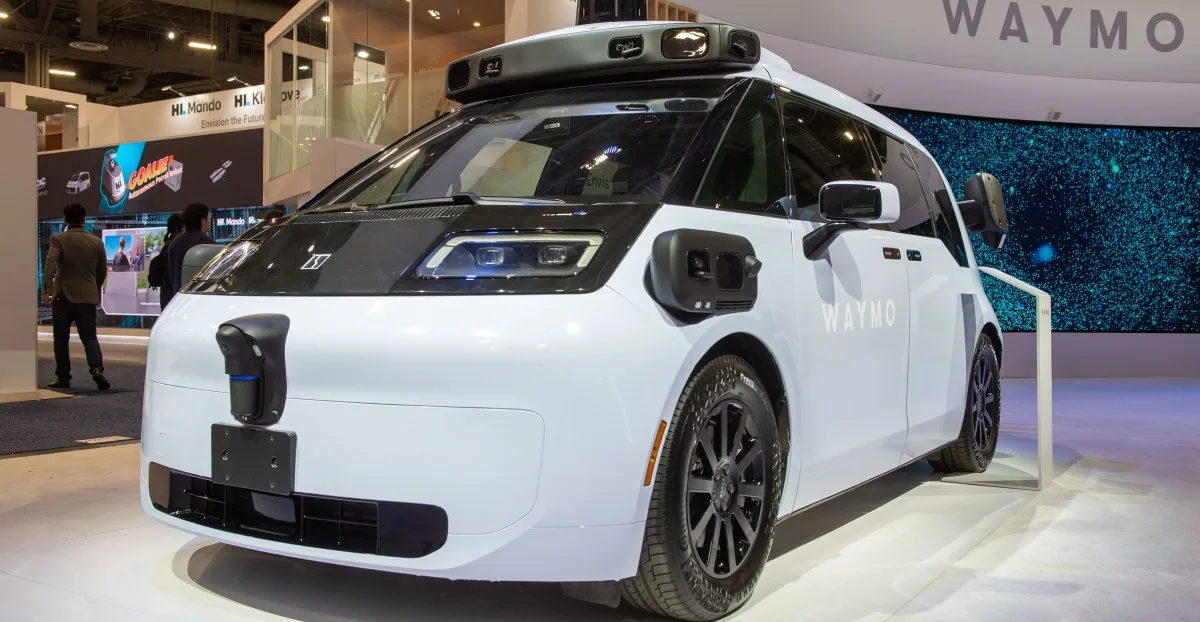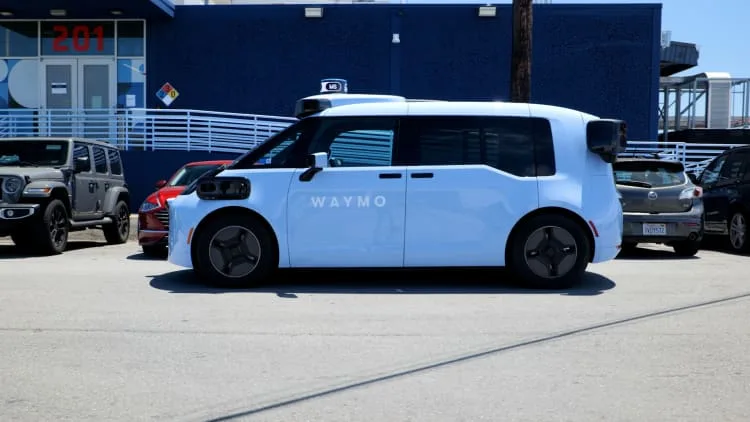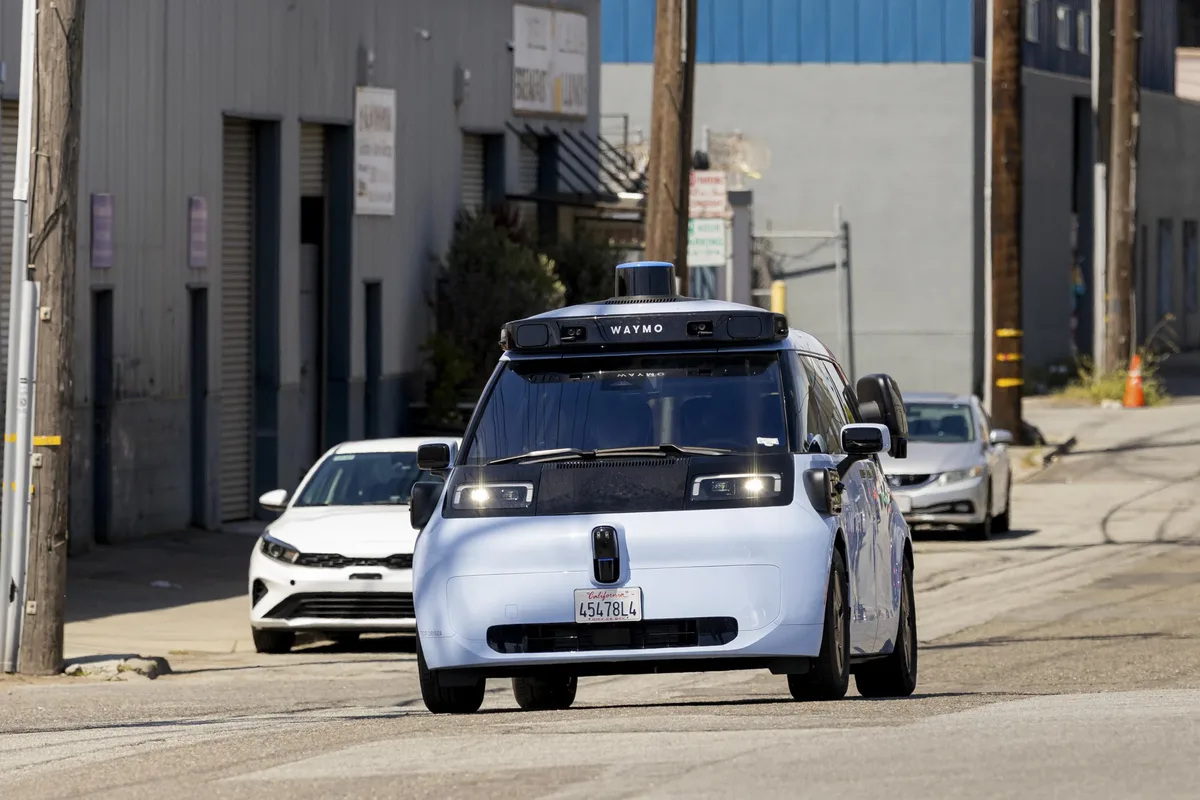
Waymo has launched public rides in its Ojai autonomous robotaxi in San Francisco, Los Angeles, and Phoenix starting May 28, 2026 [1, 2, 3, 4]. The Ojai is a new electric minivan designed specifically for robotaxi service and built in partnership with Chinese automaker Zeekr, a Geely subsidiary [1, 2, 3, 4]. It seats four passengers and features a spacious interior that can hold six suitcases despite the seating capacity [4].
The Ojai uses Waymo's sixth-generation autonomous driving technology, which is more advanced and cost-effective than the company’s previous fifth-generation system [2, 3, 4]. Compared to past vehicles like the Jaguar I-PACE, Ojai has fewer sensors and cameras—13 cameras, 4 lidars, and 6 radars—helping to reduce manufacturing costs while improving performance in extreme weather conditions such as snow and rain [2, 3, 4]. It also includes removable steering wheels, automatic doors, and upgraded audio systems to detect emergency sirens [3, 4]. The vehicles imported from Zeekr have had Chinese software removed to meet U.S. import rules [2].
Ryan Powell, Waymo's head of design, said, "The familiar form factor of the I-PACE and having the steering wheel and the pedals up there helps people get over that hump of trying something new" [3]. Waymo began offering free Ojai rides to select riders for data collection before rolling out paid rides [2].
About 100 Ojai vehicles are already active in Waymo’s fleet of nearly 4,000 cars as of late May 2026 [3, 4]. The company plans to expand Ojai robotaxi service to San Diego, Las Vegas, and Denver during summer 2026 [3, 4]. By the end of 2026, Waymo aims to deploy thousands of Ojai units and reach 1 million weekly autonomous rides [3].