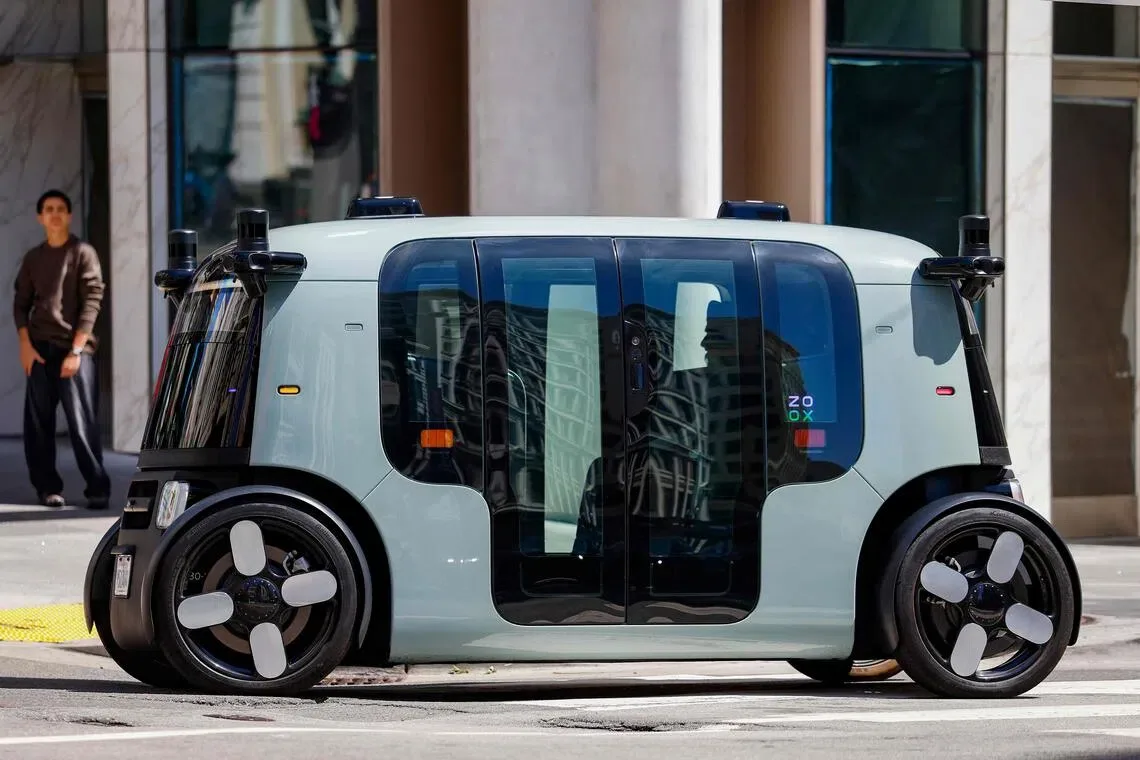
Amazon’s Zoox announced it will start testing its driverless vehicles in Houston and San Diego, expanding its presence to 12 US locations as of September 2026 [1, 2]. Zoox currently uses retrofitted test vehicles with human drivers for manual mapping and testing before releasing purpose-built robotaxis [1, 2]. The company began paid robotaxi services in Las Vegas in August 2026 after offering free passenger rides in Las Vegas, San Francisco, Austin, and Miami [1, 2].
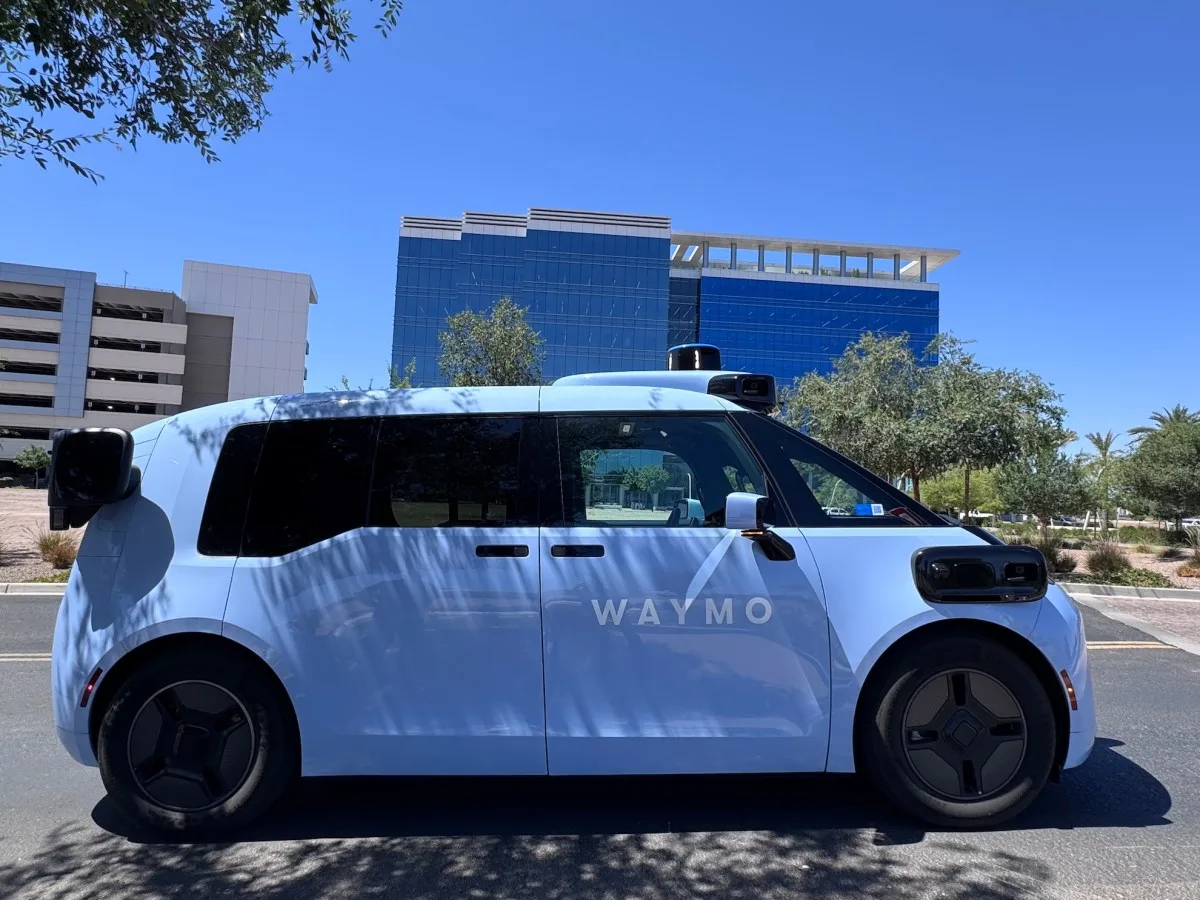
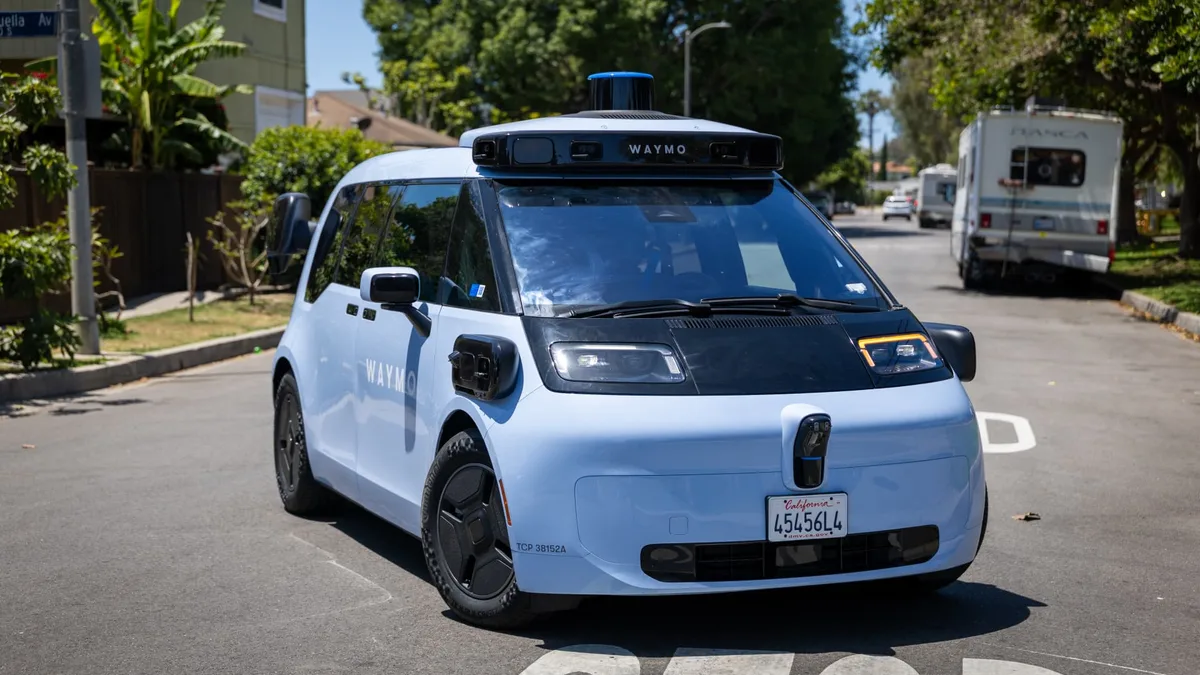
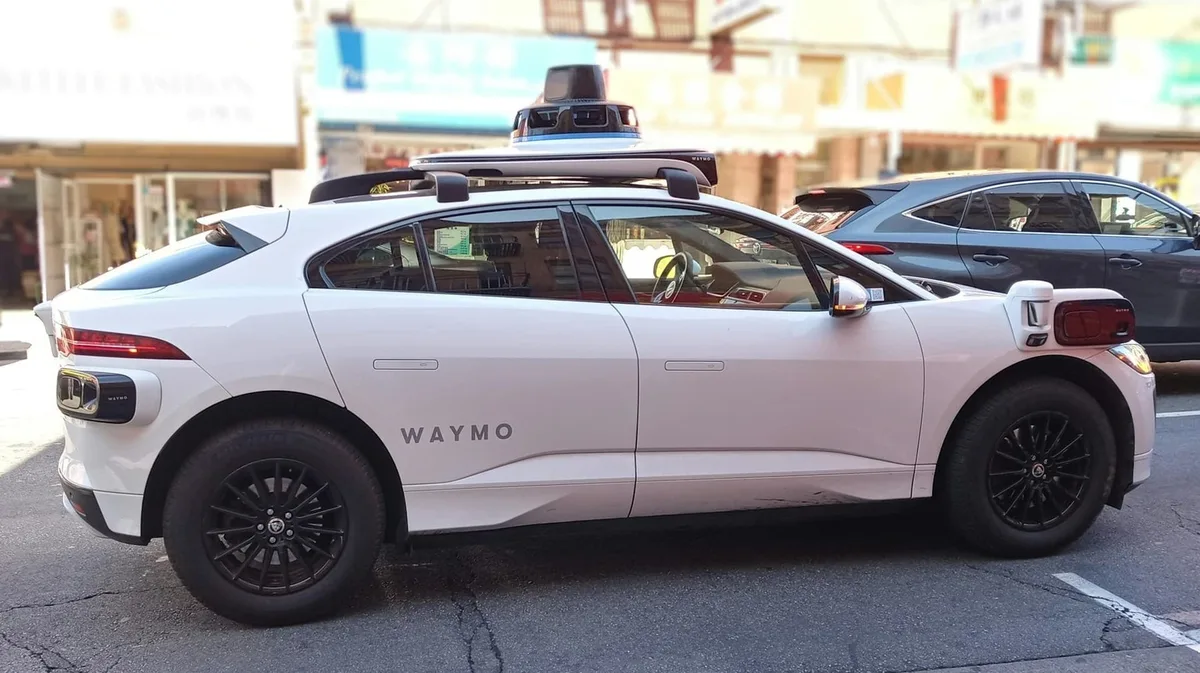
Alphabet’s Waymo launched fully autonomous robotaxi rides to the public in Denver, San Diego, and Tampa between September 1 and 2, 2026. This expands Waymo’s service footprint to 14 US cities [1, 2, 3, 4]. A spokesperson said, "in each of the three new U.S. cities, the company will have dozens of robotaxis, with plans to reach hundreds over time," adding that passengers must hail rides through the Waymo app [2]. Waymo operates more than 4,000 vehicles nationwide, including newer Ojai minivans equipped with advanced features [2, 3].
Waymo provides over 500,000 robotaxi rides weekly in the US and aims to surpass 1 million rides by the end of 2026 [2]. The company has plans for international expansion, including launching services in Munich by 2027, followed by London and Tokyo [1, 3, 4].
Tesla also runs paid driverless robotaxi services with Model Y vehicles in Texas and Florida markets and is developing a new Cybercab model [1, 3].
Labor leaders and safety advocates have raised concerns about autonomous vehicle impacts on jobs and safety, especially under difficult weather and traffic conditions [2].
Zoox’s new Houston and San Diego tests and Waymo’s launch in Denver, San Diego, and Tampa represent the latest steps in the rapid growth of commercial robotaxi services in the US. The companies will continue expanding rider access and vehicle fleets in these cities throughout 2026.