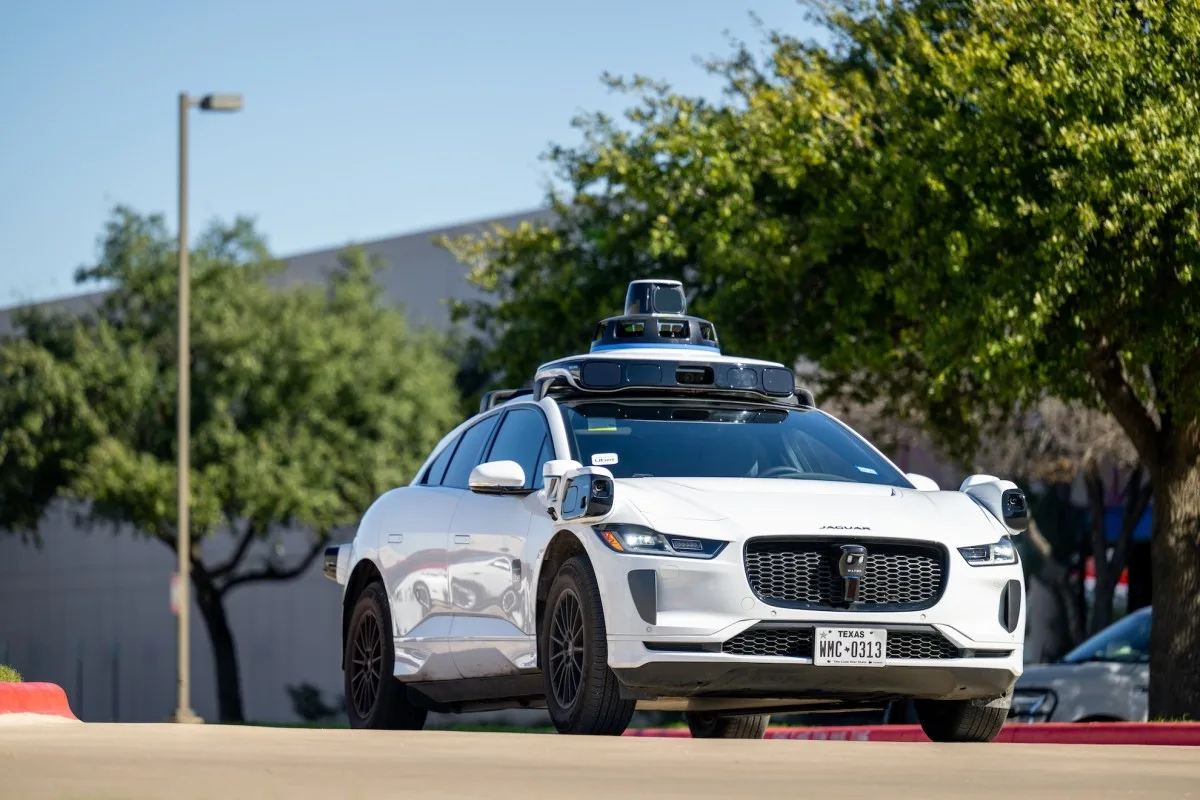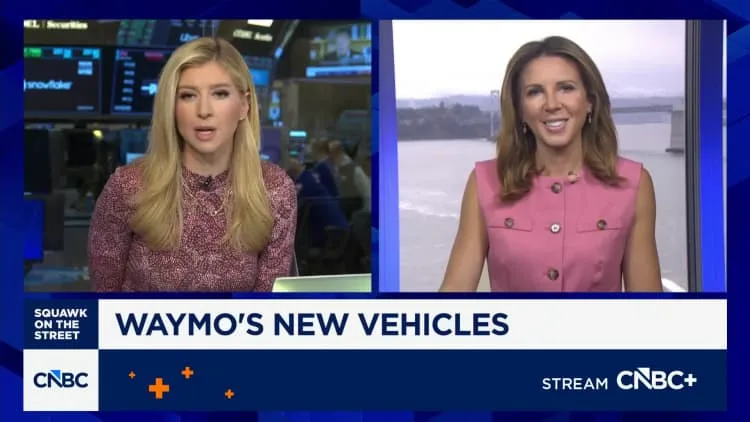
Waymo has registered 577 autonomous vehicles in Texas, the largest fleet among commercial operators in the state as of May 2026 [1, 2, 3]. The company launched its commercial robotaxi service in Austin in March 2025 and has since expanded to Dallas, Houston, and San Antonio [1, 3].
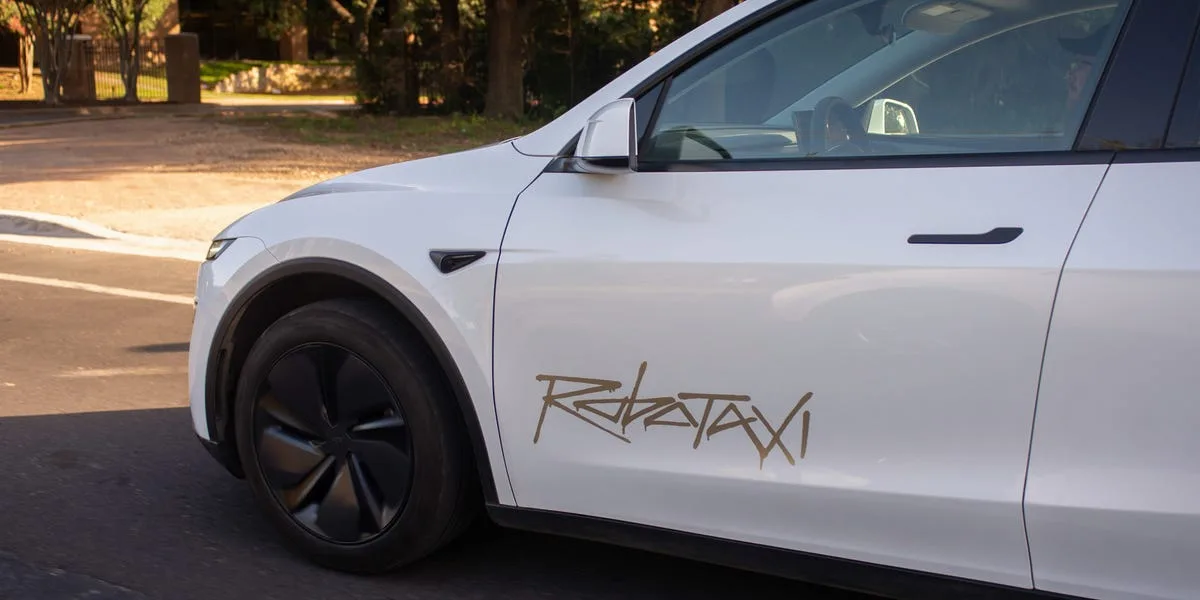
Avride holds the second largest autonomous fleet in Texas with 317 vehicles, followed by Nuro with 47 [1, 3]. Tesla trails with 42 registered autonomous vehicles, representing less than one-tenth of Waymo's fleet size [1, 2, 3]. Tesla began its robotaxi service in Texas in June 2025, initially serving Austin before moving into Dallas and Houston [2, 3].
Tesla’s robotaxi fleet recorded 17 incidents in Austin between July 2025 and April 2026, including two minor injury cases and one hospitalization. All incidents happened while human safety supervisors were present [2]. Tesla states most of its vehicles use level 2 driver assistance systems but self-certified 42 vehicles as level 4 for Texas driverless ridehailing permits [2]. Tesla VP of AI Software Ashok Elluswamy said the company is slowly increasing the number of unsupervised vehicles ‘‘mixed in with the broader robotaxi fleet with safety monitors’’ [3].
Waymo temporarily paused operations in some Texas cities in early May 2026 after flood events affected vehicle behavior [1, 3]. Beyond robotaxis, several other autonomous fleets operate in Texas, including Aurora with 91 self-driving trucks, Gatik AI with 64 mid-sized trucks, Kodiak AI with 33 trucks, Waabi with 13 trucks, and Volkswagen MOIA with 12 vehicles [1].
A new Texas law, effective May 28, 2026, requires commercial autonomous vehicle operators to register their fleets and self-certify vehicle autonomy levels [1, 2]. Tesla has also filed permits for driverless testing in Arizona, Nevada, and Florida but has not launched paid driverless rides in those states [2].
Waymo’s national fleet now approaches 4,000 vehicles across the US [2]. The company appears to maintain its lead in Texas amid increasing regulatory scrutiny and operational challenges. The May 28 registration deadline brought detailed fleet disclosures from all operators.