Waymo and B2U Storage Solutions announced a strategic supply agreement on June 4, 2026, to repurpose used batteries from Waymo's autonomous robotaxi fleet for stationary energy storage projects across the US [1, 2].
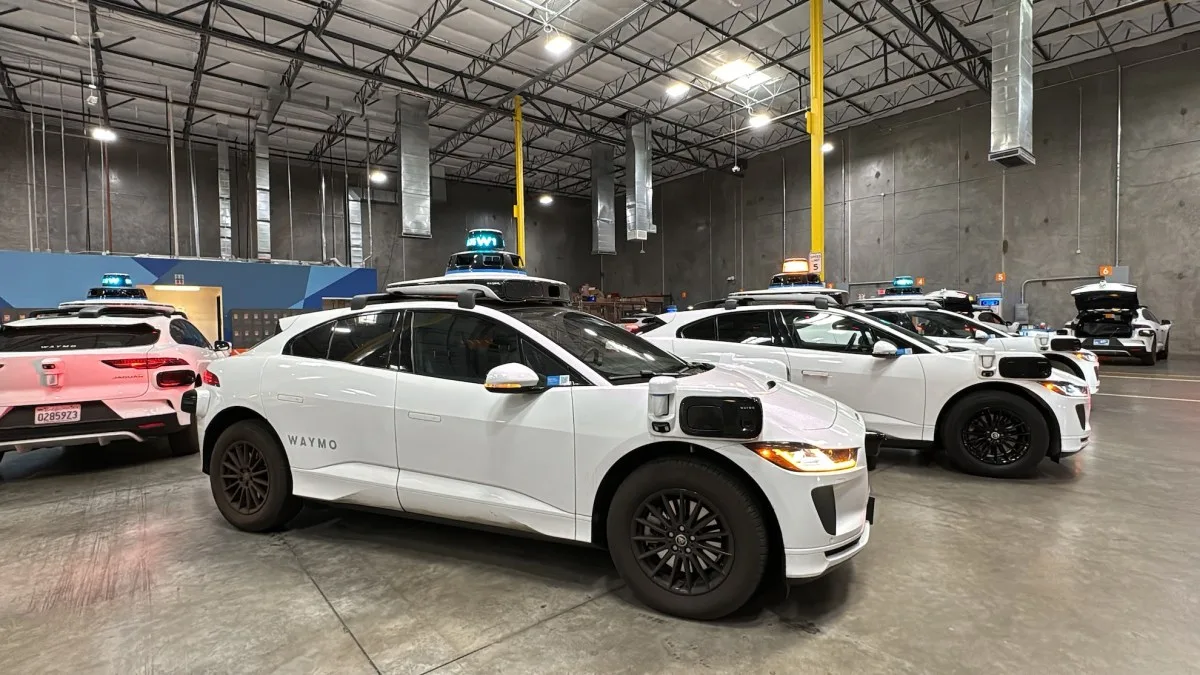
Waymo’s robotaxi fleet mainly consists of Jaguar I-Pace electric vehicles along with some vans from Chinese automaker Zeekr [2]. These vehicles accumulate mileage far beyond typical consumer EVs because Waymo’s robotaxis operate for many years and cover significantly more miles, causing faster battery degradation [1]. To maintain high vehicle efficiency, Waymo proactively swaps or refreshes batteries before the vehicle reaches the end of its lifespan and then diverts the used batteries for second-life applications [1].
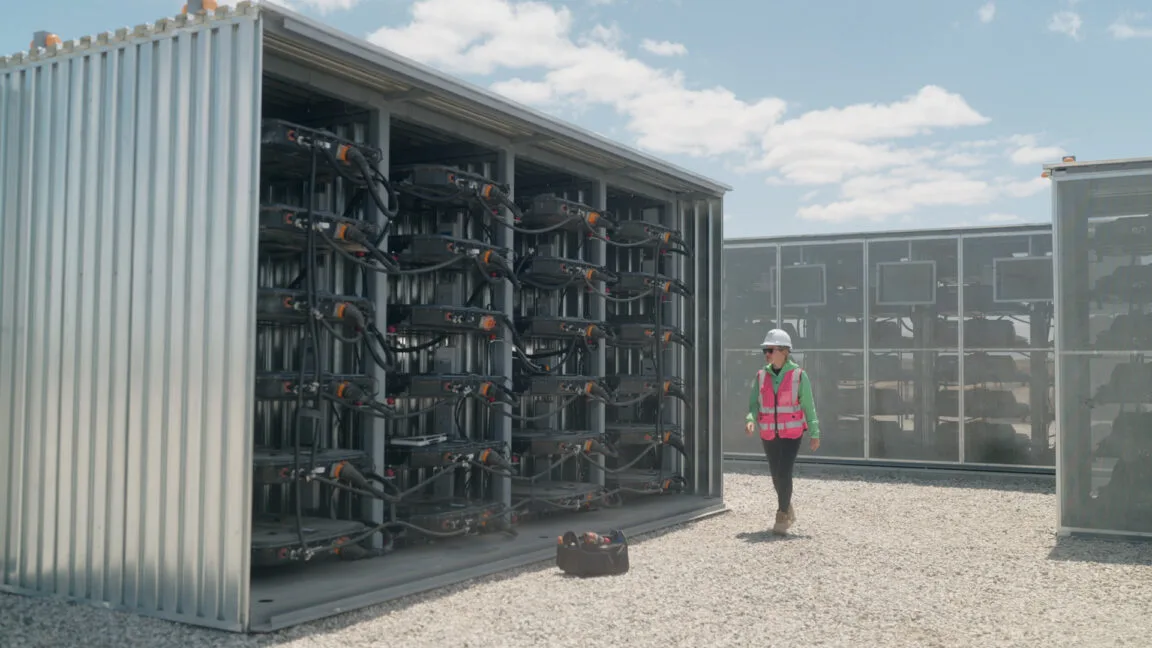
B2U Storage Solutions specializes in installing used EV batteries in large stationary energy storage systems. These systems capture excess renewable energy and release it to the grid during peak demand periods [1]. The repurposed batteries from Waymo’s fleet are expected to contribute up to hundreds of megawatt-hours of energy storage capacity to local power grids, including sites in California and Texas [1, 2].
Battery repurposing firms like B2U and Redwood Materials — the latter partly backed by Alphabet, Waymo’s parent company — focus on extending battery life through second-use applications rather than recycling the battery materials immediately [1, 2]. This approach offers a way to maximize the value and environmental benefits of EV batteries beyond their initial vehicle use.
The partnership marks a step in managing growing volumes of EV batteries as autonomous fleets expand. The strategic agreement signed in early June sets the framework for Waymo to supply end-of-life batteries to B2U’s grid storage projects, with implementation expected to begin later this year [1, 2].