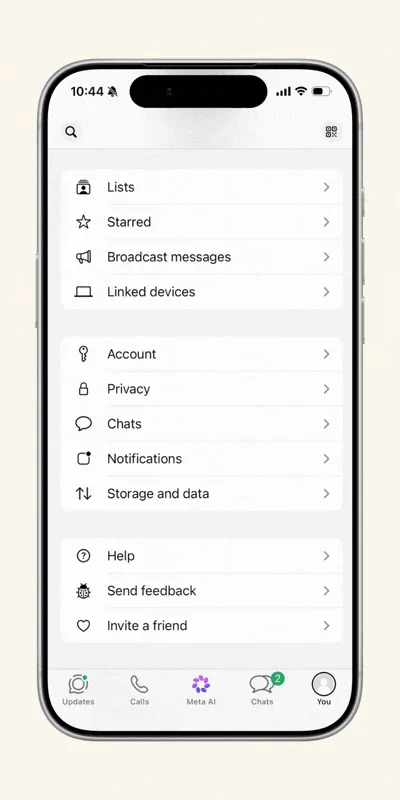
WhatsApp opened username reservations to its 3 billion global users on June 29, 2026, allowing people to create unique usernames for the messaging app [1, 2, 3, 4, 5]. Users will be able to use these usernames later in 2026 as a way to connect with others without revealing their phone numbers, enhancing privacy protections on the platform [1, 2, 3, 6, 7, 5]
Alice Newton-Rex, WhatsApp’s vice president of product, said, "We have designed this as a core privacy feature. People will need to know your exact username to contact you for the first time" [8]. Unlike some platforms, WhatsApp will not provide a public directory of usernames, meaning users must share or know each other’s exact username to initiate contact [1, 2, 3, 6, 5].
Usernames must be between three and 35 characters long [8]. Users can also add a short optional username key code that others need along with the username to reach them, adding an extra layer of control over connections [5, 9, 10].
For creators, businesses, and organizations, existing Facebook and Instagram usernames can be claimed on WhatsApp to maintain consistent branding [1, 2, 3, 6, 5]. WhatsApp will permanently reserve usernames for high-profile public figures, celebrities, and government entities to prevent impersonation and misuse [1, 2, 3, 4, 5]. Newton-Rex said, "Usernames are designed to give you control over who gets to see your phone number in the first place. It's an optional feature; you choose your own username, you can change it or remove it, and it doesn't have to match your handle or account name on any other app" [10].
The rollout of usernames will be gradual, with WhatsApp notifying users when the feature becomes available in their region [5, 8, 9, 10]. Usernames will apply privacy protections only to new conversations; existing contacts who already have phone numbers will continue to see them [5].
WhatsApp’s approach mimics similar username systems used by competing apps like Signal, which introduced usernames in 2024 [1, 5, 10].
However, the rollout has faced criticism, particularly in India. Regulators and security experts there warned that usernames could increase impersonation, phishing, and fraud risks [11]. Despite WhatsApp's policy to reserve usernames for public figures, some prominent Indian politicians and celebrities’ usernames were available during the early rollout, raising concerns over potential abuses [11].
WhatsApp plans to make usernames fully operational worldwide later this year with a gradual phased release [1, 2, 3, 4, 5, 8, 9, 10].