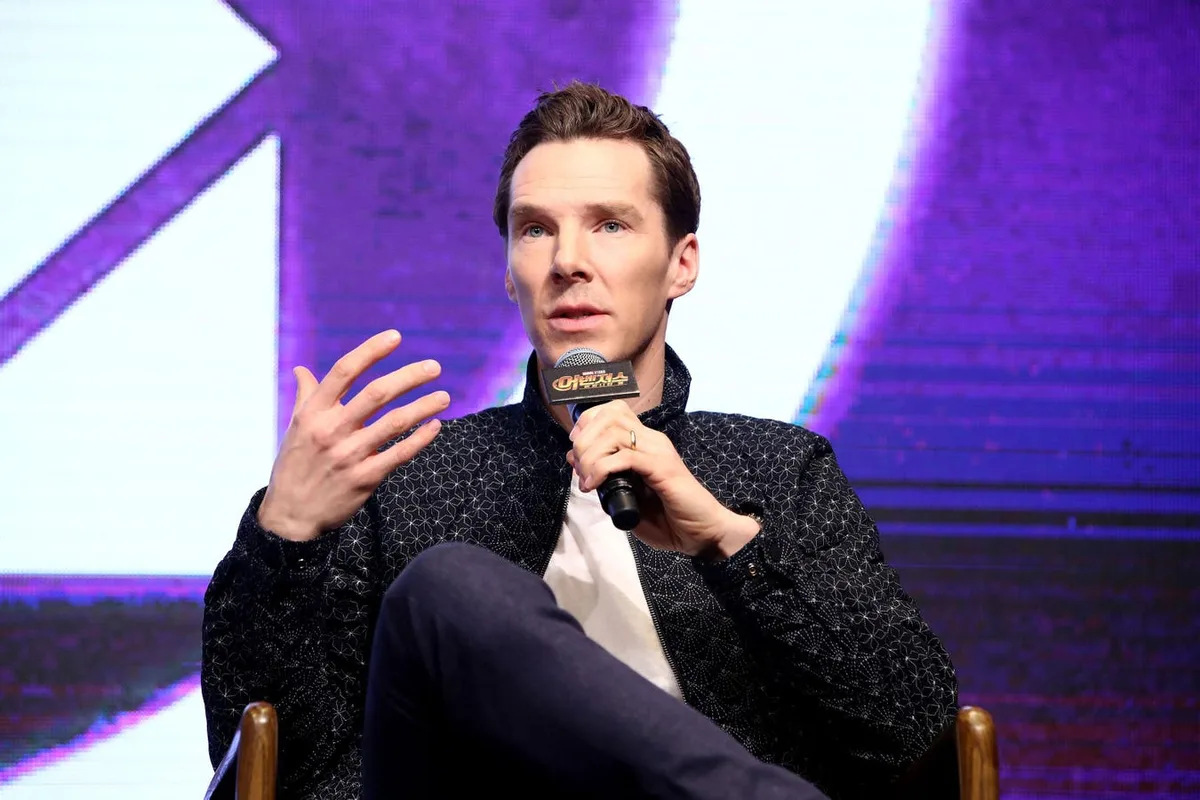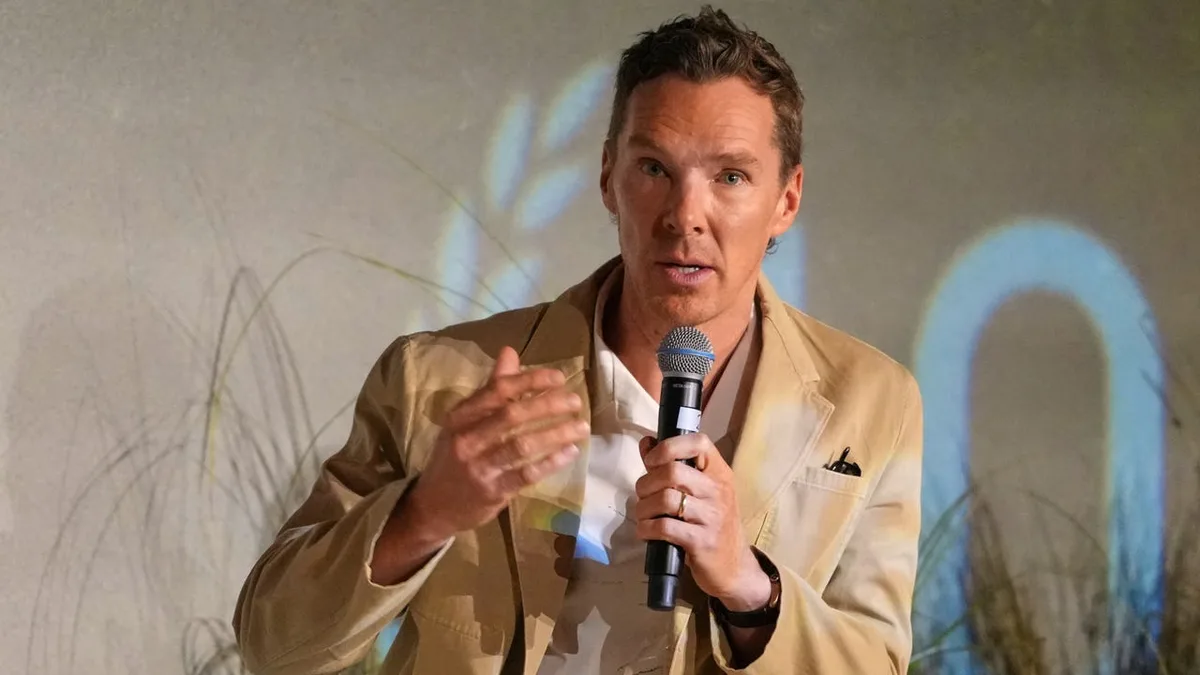
Actors Benedict Cumberbatch, Alan Cumming, and Benedict Wong have publicly urged the UK government to block the proposed $110-111 billion merger between Paramount and Warner Bros, citing risks to jobs, the UK film industry, and media plurality [1, 2, 3].
The actors published a joint op-ed in The Guardian on July 27, 2026, appealing to UK Culture Secretary Lisa Nandy to intervene under the Enterprise Act 2002 and halt the merger [2, 3]. They warned that media consolidation "narrows the range of stories reaching audiences" and threatens independent filmmakers. They added, "The U.K. is being threatened by a media merger that would harm our workers, our culture and the public — but we can stop it" [1, 3].
The UK film industry currently supports over 180,000 jobs and contributes £6.8 billion in production spend and £12 billion to the UK economy [1]. Paramount and Warner Bros would jointly own key UK media assets including Channel 5 and CNN International, raising concerns about concentration of media power and impartiality [2]. Nandy said the government is “minded to intervene” citing the “need for... a sufficient plurality of views in news media in each market” in the UK [2].
The merger has cleared regulators in the EU, China, South Korea, Australia, Canada, and Brazil but remains under formal review in the UK, Japan, and India [1]. In the United States, legal challenges by 12 states argue the deal would increase prices, reduce film output, and harm consumers [1, 3]. Paramount recently agreed to delay completing the takeover until U.S. courts resolve these antitrust lawsuits [3].
The actors said, “We have watched, with growing alarm, what consolidation does to the breadth and depth of the work we produce” [1]. The merger would control more than 4.25 million media items in the CNN news archives alone, adding to worries about shrinking media plurality [2].
The UK government’s decision on whether to intervene is expected after the ongoing regulatory review. Meanwhile, litigation and regulatory hurdles will delay the transaction as courts and officials examine its impact on competition and public interest.