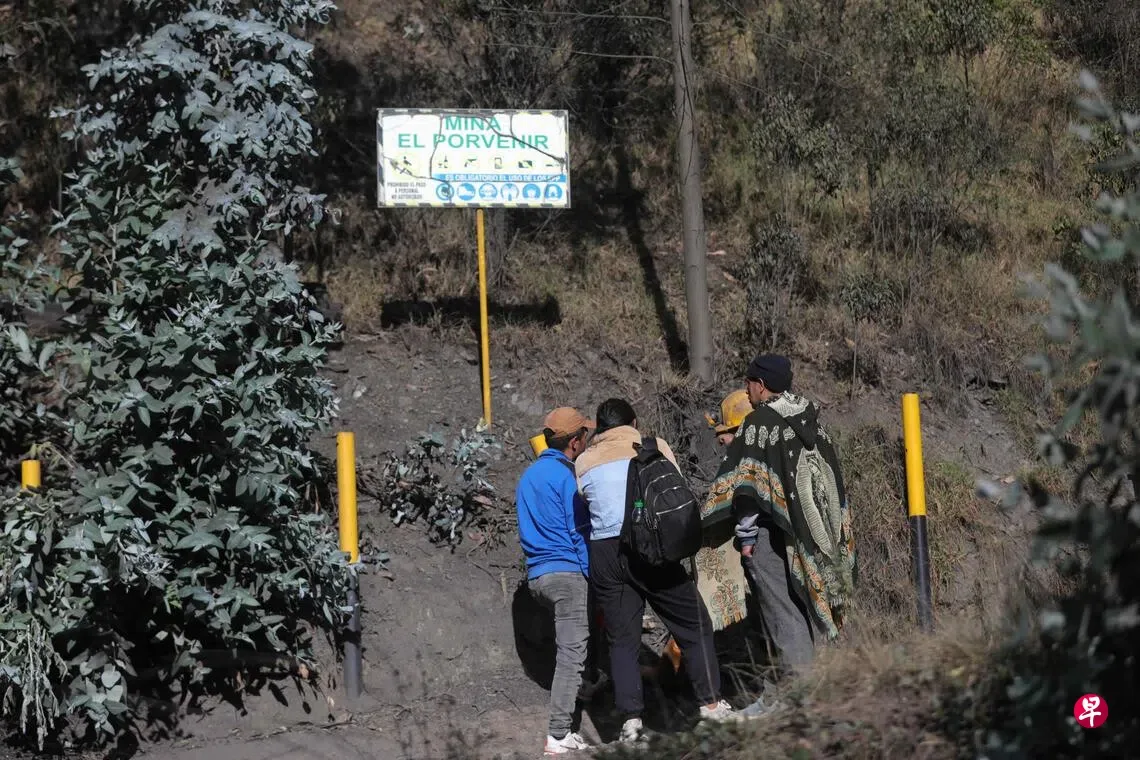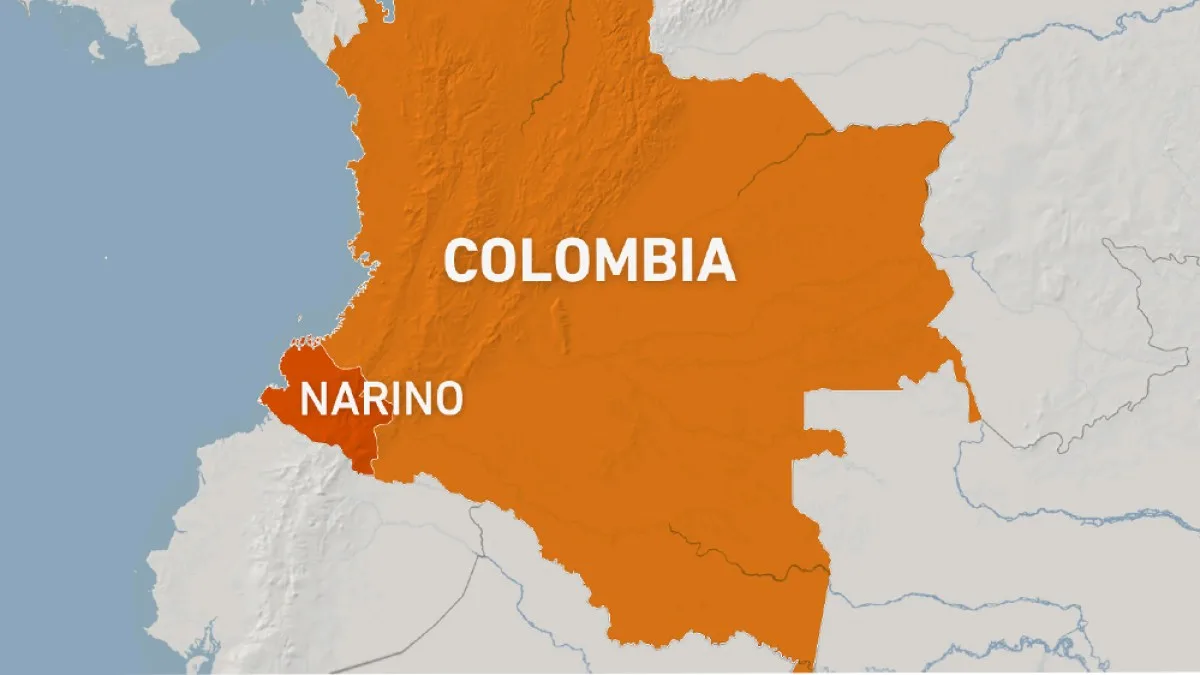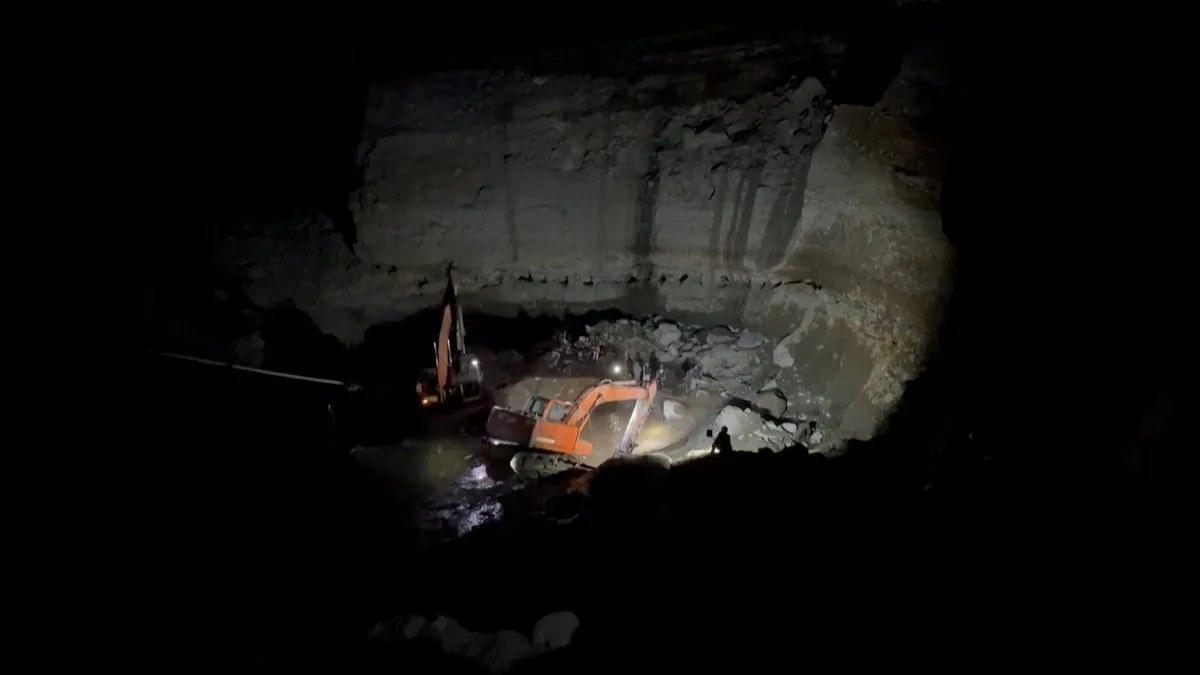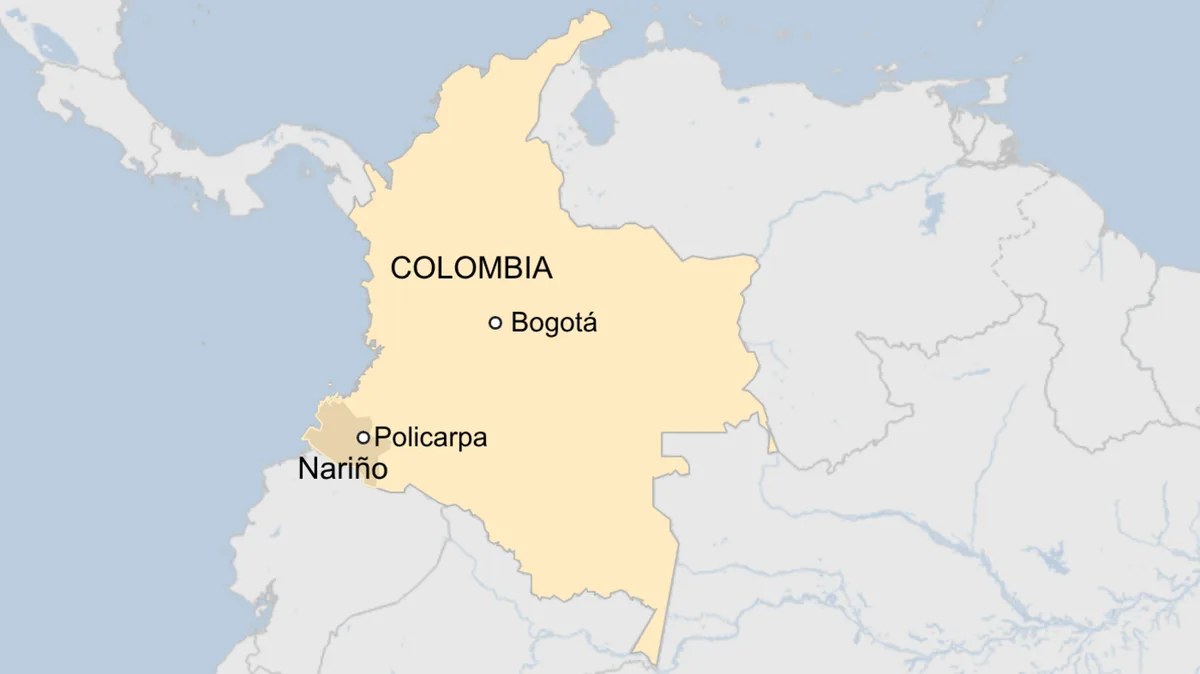
At least 13 workers died and 7 were injured in a landslide at an illegal gold mine in southern Colombia's Nariño province on the afternoon or evening of August 19, 2026 [1, 2, 3, 4]. The collapse occurred at an artisanal, unlicensed mine near Policarpa where about 50 people, mostly from the Quillacinga indigenous group, regularly work [1, 4]. Four of those killed belonged to the same indigenous family [1].
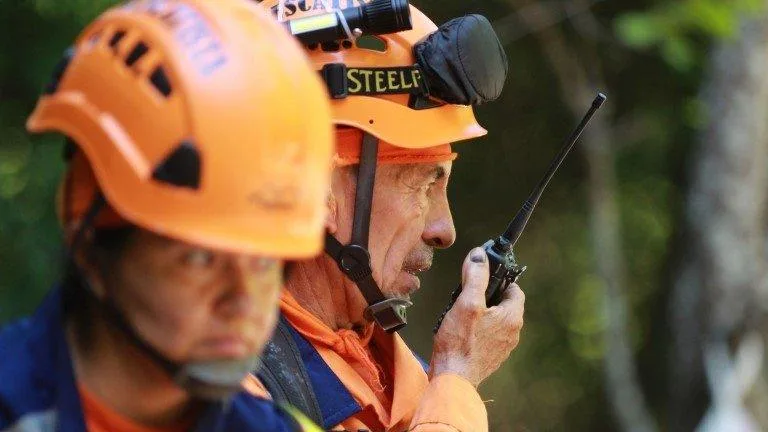
The landslide was triggered by mining activity inside the mine and may have involved an internal explosion [1, 2, 3]. Fredy Gamez, government secretary for Nariño, said, "Due to the activity taking place in the mine, a slope collapsed onto the people" [3]. The mine’s unstable geological conditions slowed rescue efforts [2].
Colombia experiences frequent mining accidents, particularly in unregulated operations like this one [1, 2]. In May 2026, an explosion killed 9 workers and injured 6 at a legal coal mine in Cundinamarca [3]. The recent tragic landslide adds to a toll of mining-related deaths and injuries in the country.
This accident occurred shortly after a magnitude 7.4 earthquake struck western Colombia on August 10, killing 319 people and injuring thousands [3]. The region continues to face challenges from natural disasters and industrial accidents.
Later updates or government responses to support victims and affected communities have not yet been reported. Rescue and investigation operations remain underway as officials work to clarify causes and improve mine safety.