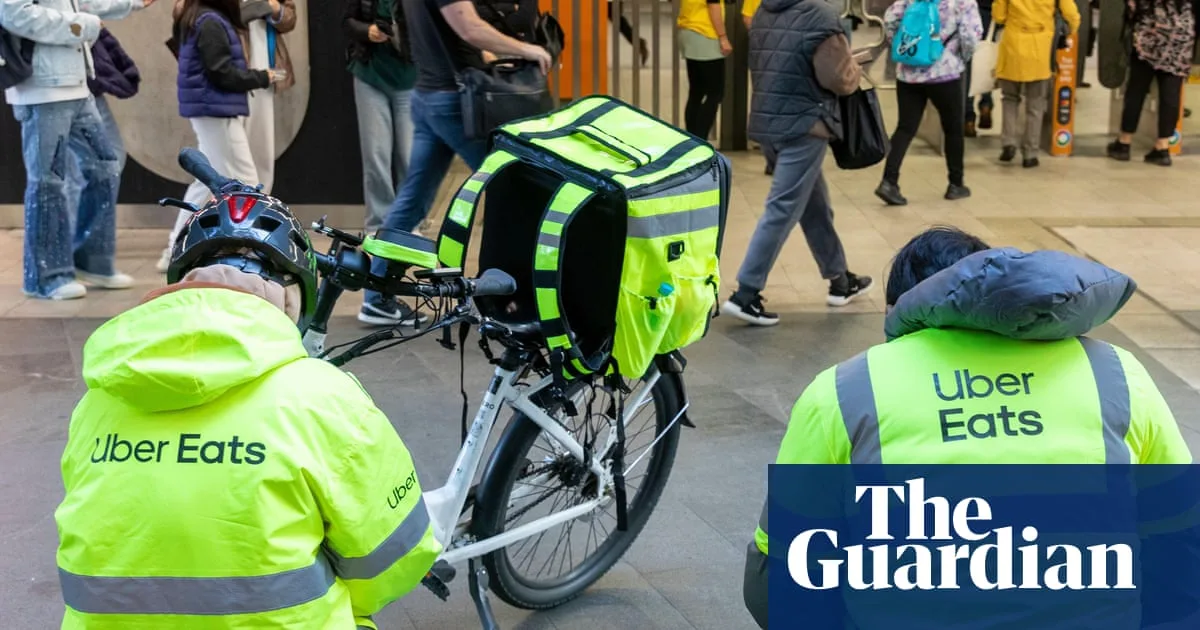
Australia’s Fair Work Commission has set new employment standards for gig delivery workers, requiring a minimum pay of AUD 31.30 per hour, higher than the national minimum wage of AUD 26.44 [1, 2, 3, 4, 5, 6, 7, 8, 9]. The standards apply to the "engaged" time between accepting delivery orders and completing them, covering food, drinks, and grocery on-demand deliveries [1, 2, 3, 4, 5, 7, 8, 9].
The commission's order also mandates gig platforms such as Uber Eats and DoorDash to provide personal accident insurance offering a "reasonable minimum level of cover" for workers, though it does not specify exact coverage amounts [1, 2, 3, 4, 5, 7, 8, 9]. Workers remain responsible for maintaining third-party vehicle insurance; delivery platforms are not liable for third-party vehicle damage [1, 2, 3, 4, 5, 7, 8, 9].
About 250,000 gig delivery workers across Australia are expected to benefit from the new standards [2, 3, 4, 5, 7, 8, 9]. The minimum pay rate will increase by 50 cents to AUD 31.80 per hour on January 1, 2027 [1].
Australia's Parliament empowered the Fair Work Commission through laws passed in 2023 and 2024 to set these standards for gig workers [2, 3, 4, 5, 7, 8, 9]. The International Labour Organization adopted the first binding employment standards for gig workers in June 2026, providing a global benchmark [2, 3, 4, 5, 7, 8, 9].
The Transport Workers Union (TWU) called the new standards a "landmark moment" and "world-leading" for gig economy workers in Australia. TWU national secretary Michael Kaine said, "Gig workers in Australia were left outside of our workplace systems for far too long. From Monday, they will be entitled to an absolute world-leading set of standards that we will build on over time" [2, 5].
Uber Eats and DoorDash, which jointly applied with the TWU for the protections, said the standards "will provide an industry-wide safety net for hundreds of thousands of workers while preserving the flexibility that sits at the heart of on-demand work" [1].
The Fair Work Commission’s order takes effect on August 17, 2026, setting firm obligations on minimum pay and accident insurance coverage for gig delivery workers nationwide [1, 2, 3, 4, 5, 7, 8, 9].