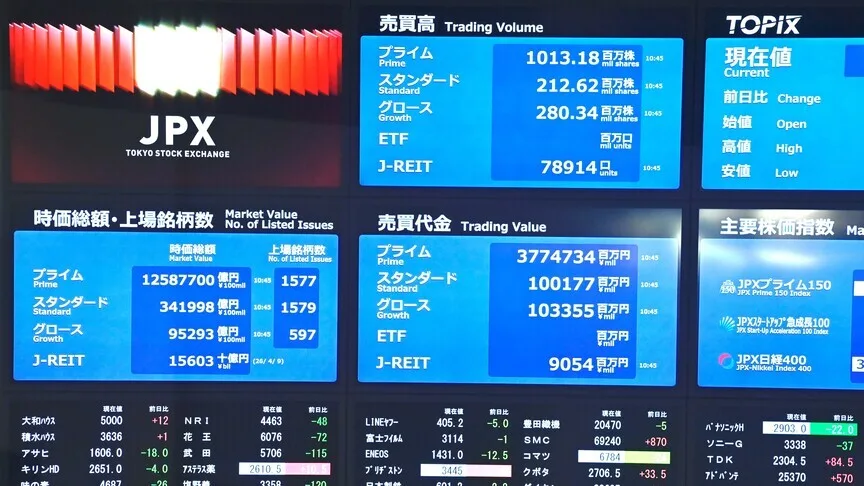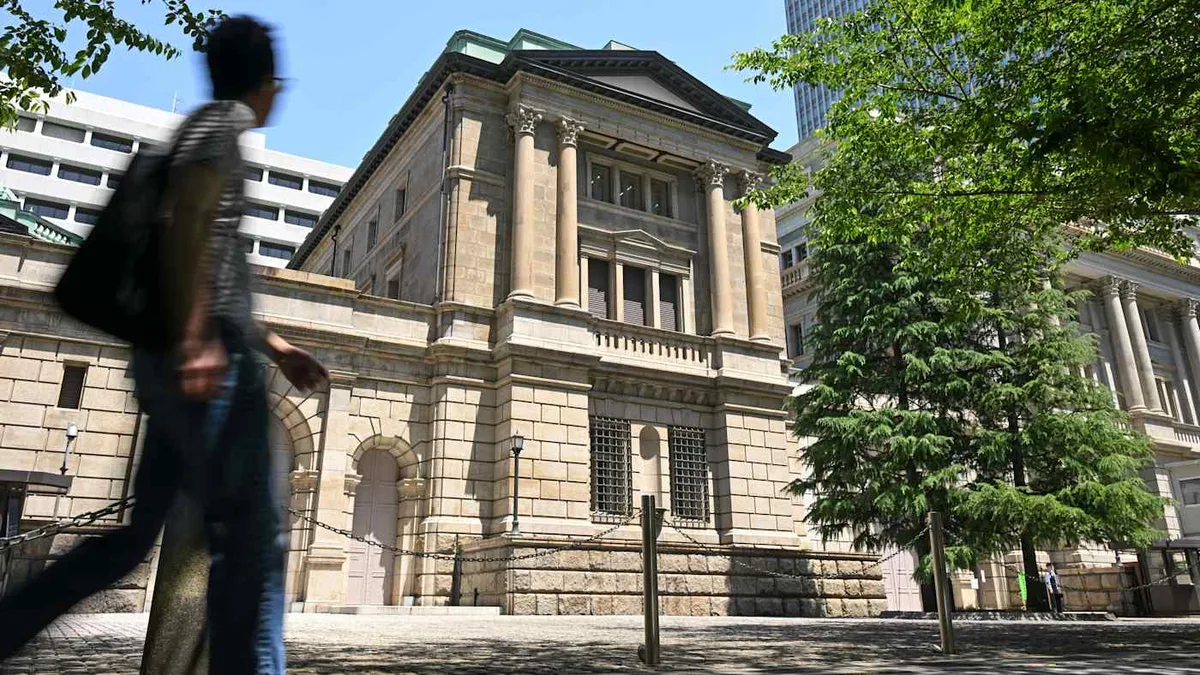
The Bank of Japan raised its policy interest rate to 1% in June 2026, the highest level since 1995, marking a significant shift in its monetary policy stance [1, 2]. Persistent inflation pressures and a weaker yen compelled policymakers to increase rates after years of maintaining ultra-low levels [2].
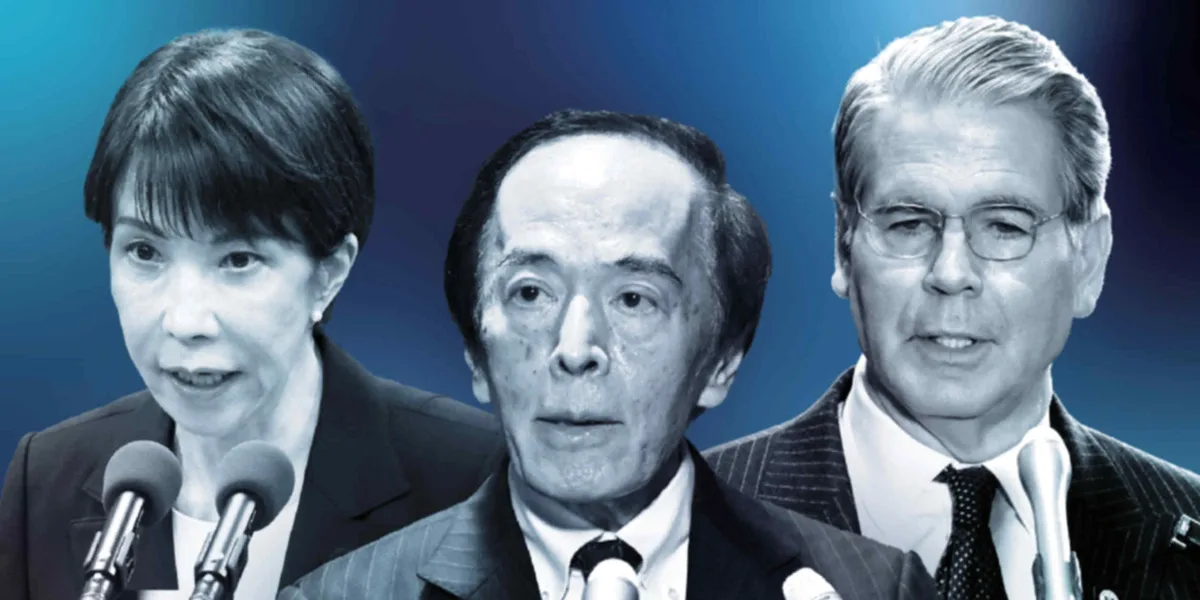
US Treasury Secretary Scott Bessent actively pushed for earlier rate hikes during a May 11 meeting with Japanese Finance Minister Satsuki Katayama, warning of potential economic and financial disruptions if adjustments were delayed [2]. Bessent also met with BOJ Governor Kazuo Ueda in Paris before the hike, expressing his confidence that Ueda would “successfully guide Japan's monetary policy” [2].
Initially, Japanese Prime Minister Sanae Takaichi had a cautious stance on raising interest rates [1, 2]. However, following a May 22 meeting between Takaichi and Ueda, the government shifted toward supporting a rate increase [2]. The BOJ then prepared for the hike at its June policy meeting [2].
The decision to raise the policy rate reflects the BOJ’s response to inflationary pressures and currency depreciation, which increased urgency for tighter monetary policy [2]. The move ends a long period of near-zero rates and signals a new phase for Japan's economic policy.
The next scheduled policy meeting will be closely watched for further adjustments or signals on the trajectory of Japan's interest rates.