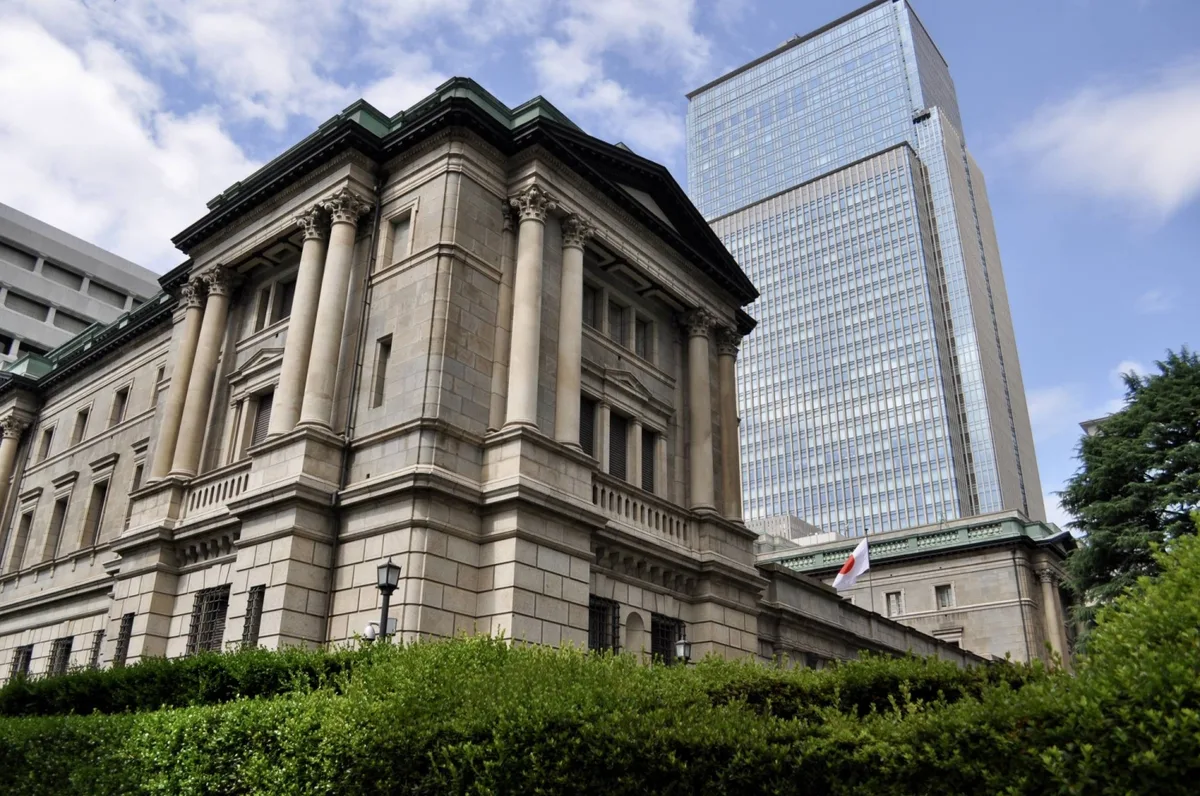
The Bank of Japan plans to raise its key interest rate from 0.75% to 1.0% during its policy board meeting on June 15-16, 2026, marking the highest level since 1995 [1, 2, 3, 4, 5]. The proposed hike responds to elevated inflation pressures and risks tied to geopolitical tensions and rising oil prices [1, 2, 4, 5]. Wholesale inflation in Japan hit 6.3% in May 2026, the highest since March 2023, intensifying concerns about sustained price rises [4]. The yen has weakened to about 160.5 per dollar amid market volatility, prompting earlier intervention attempts but little relief [4].
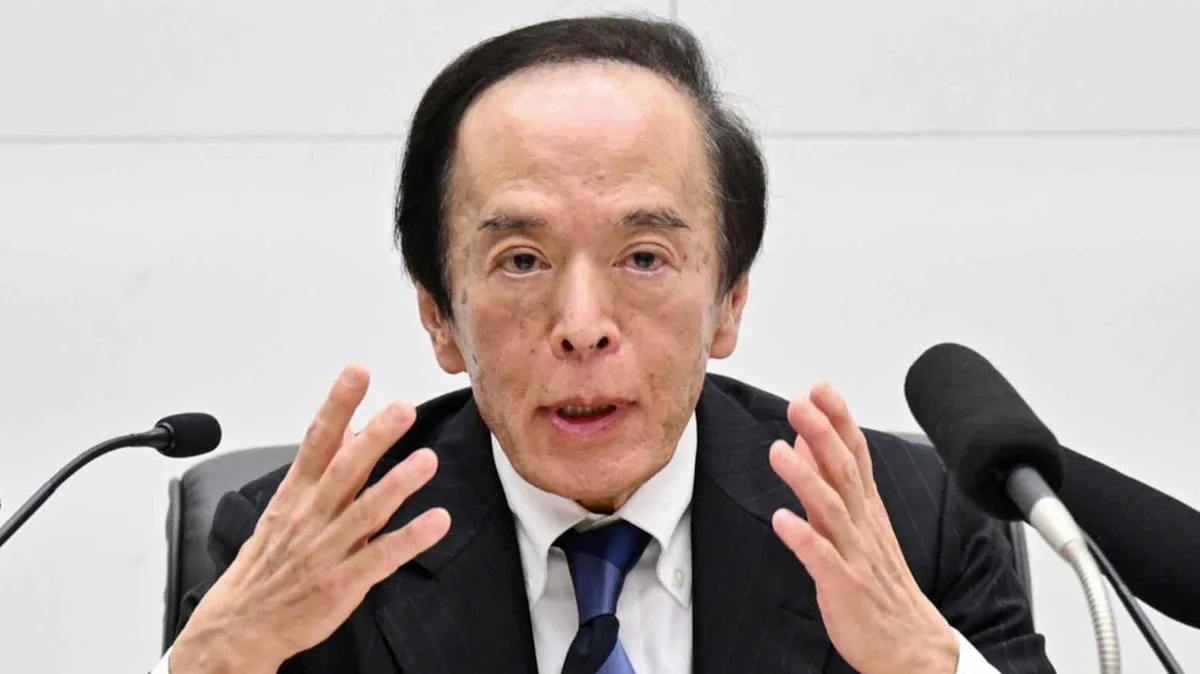
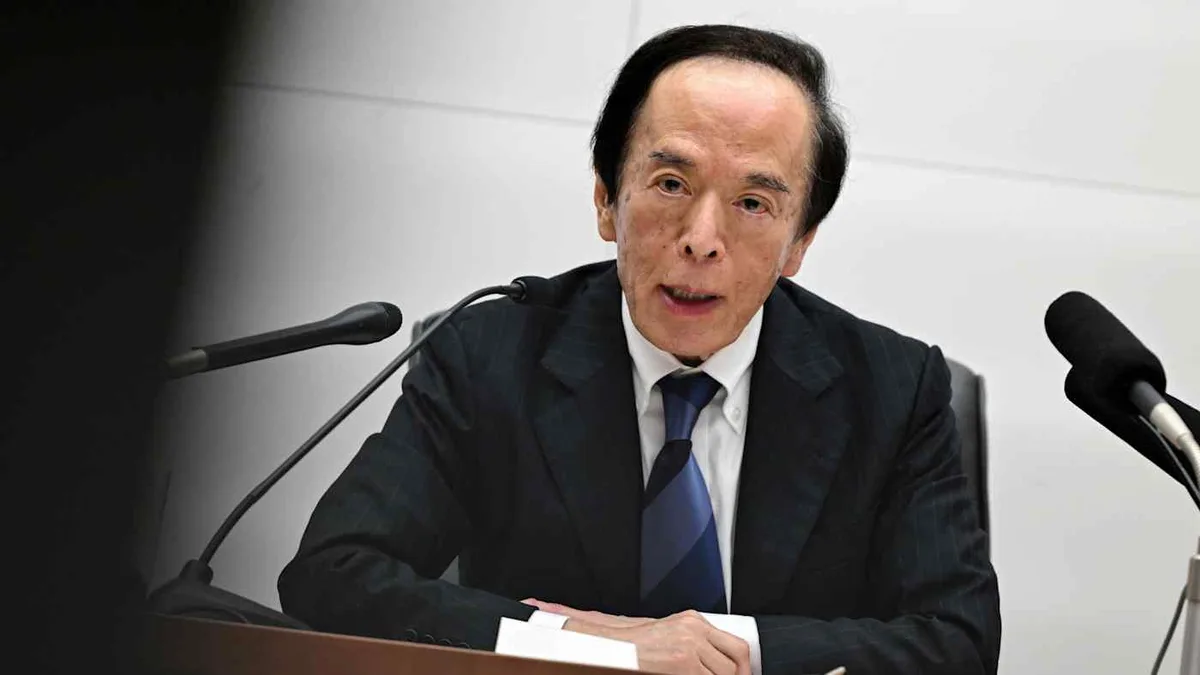
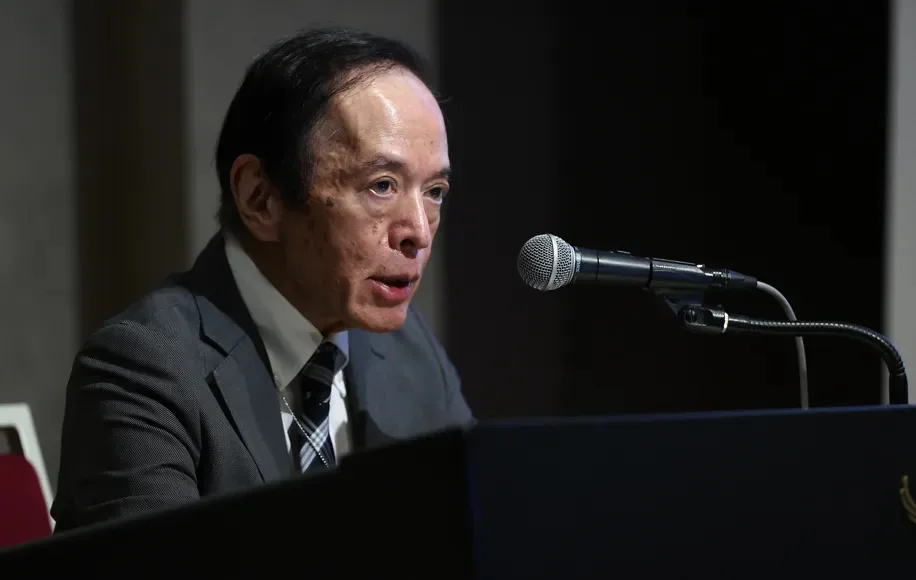
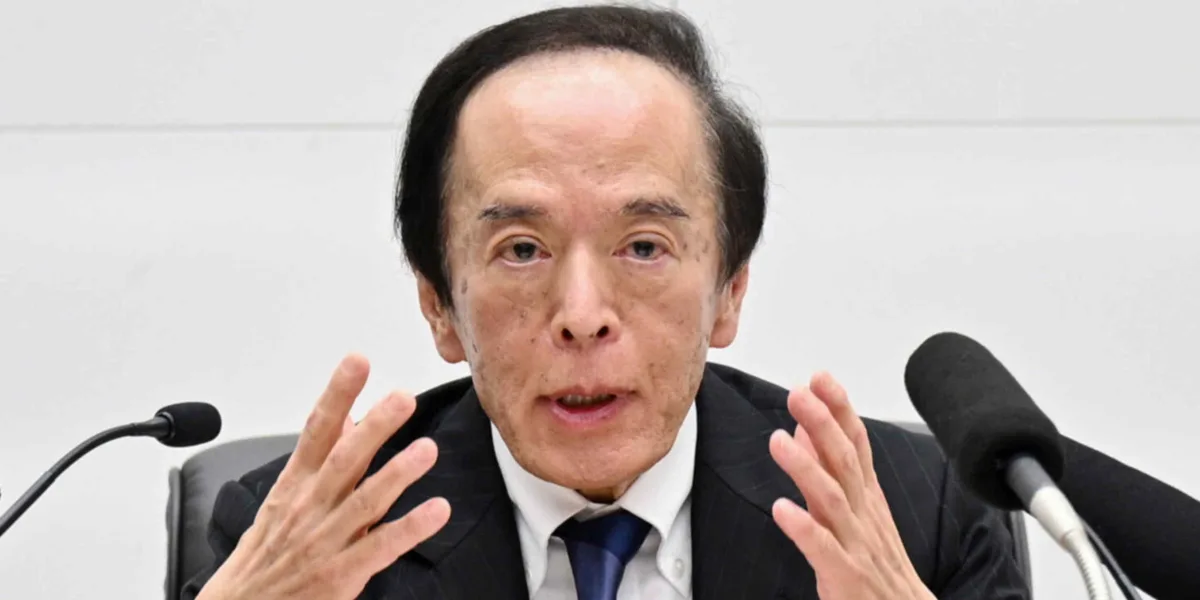
Governor Kazuo Ueda, who issued a hawkish warning on inflation risks due to oil shocks on June 3, was hospitalized on June 10 with a hepatic cyst infection and will miss the upcoming meeting [4]. Deputy Governor Ryozo Himono will chair the meeting and holds the deciding vote if the policy board ties in its nine-member vote [4]. Despite Ueda's absence, BOJ leadership expects the rate hike proposal to pass with majority support. Tsuyoshi Ueno, a research fellow at NLI Research Institute, described the hike as "pretty much a done deal" [4, 5].
The BOJ’s current bond-buying taper reduces quarterly purchases by 200 billion yen but is under review. Officials are considering pausing the taper starting April 2027 to support market stability [1, 2, 3, 5]. Ueno noted the rate hike is unlikely to substantially strengthen the yen as markets have already priced it in [4]. Ueda had stated that if upward price risks outweigh economic slowing, the board must thoroughly debate raising the policy rate [4].
The policy meeting will determine whether the BOJ acts to contain inflation amid challenging external pressures. The decision on interest rates on June 15-16 will be closely watched for signals on future monetary tightening and bond purchase programs [1, 2, 3, 4, 5].