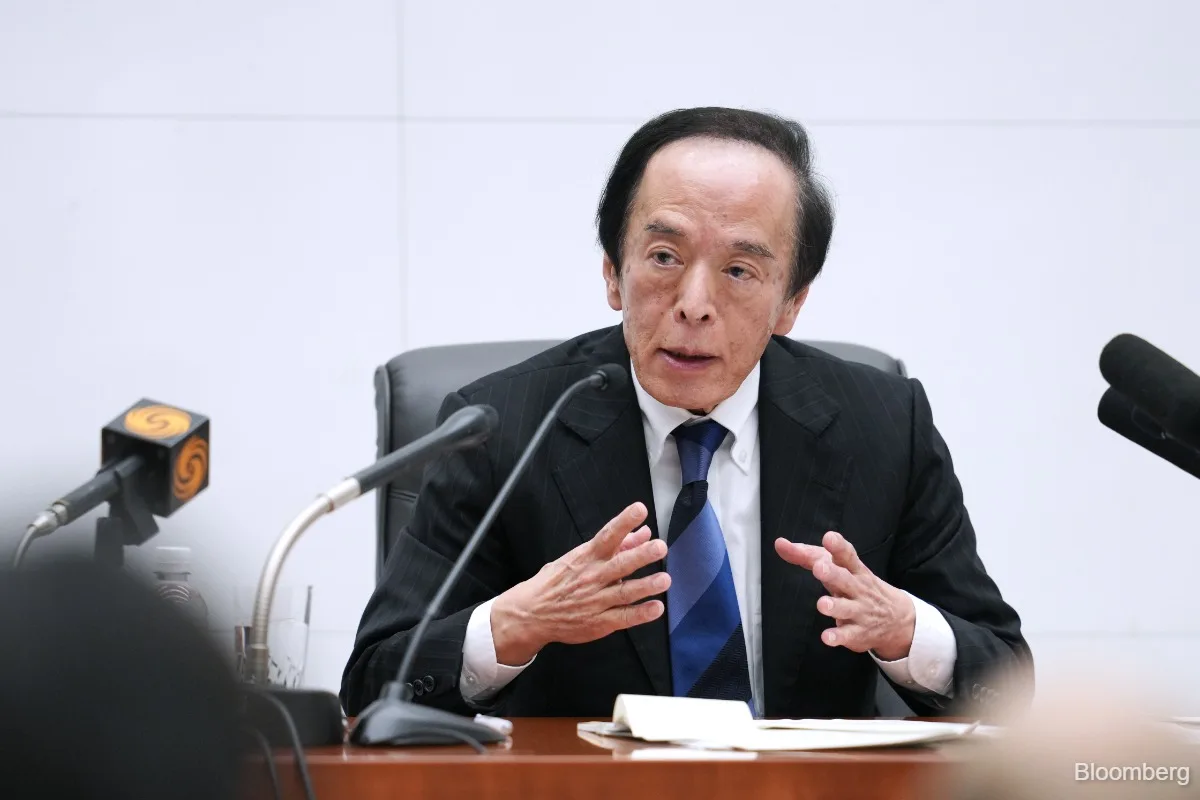
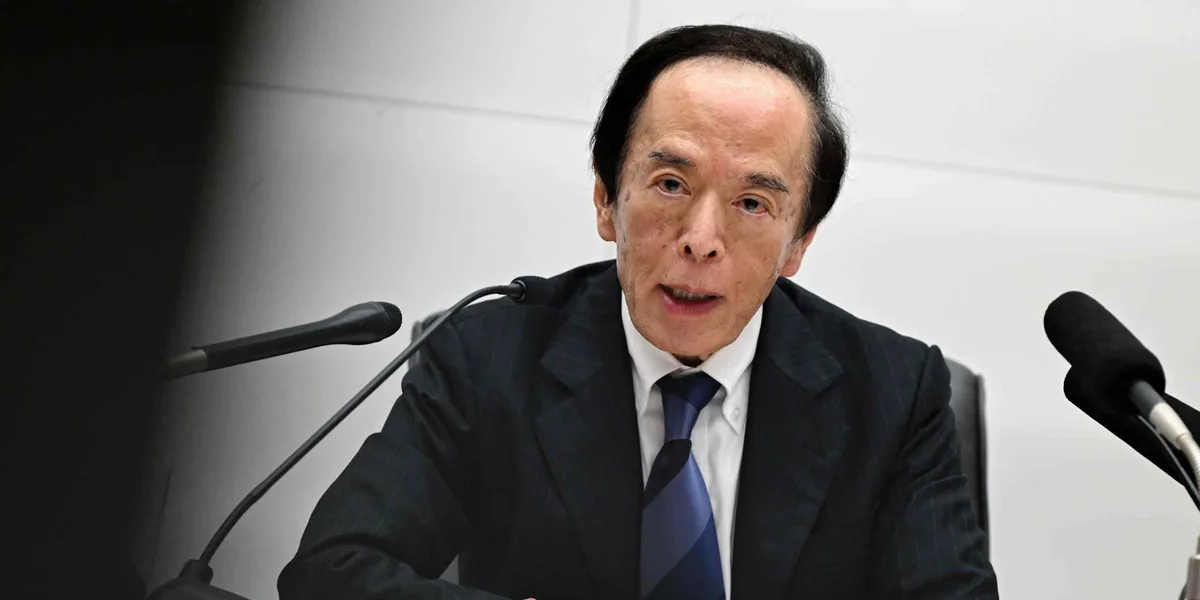
Bank of Japan Governor Kazuo Ueda indicated on June 3 that the BOJ needs to continue raising interest rates in response to economic trends and inflation pressures [1, 2]. Speaking at his final event before the BOJ's policy meeting scheduled for June 15-16, Ueda said, "I think the bank will continue to raise the policy interest rate at an appropriate pace" [1, 3, 4, 2].
Ueda stressed that upside risks to prices appear greater than earlier expected and likely to emerge sooner. He said, "Based on the data and anecdotal information available thus far, the upside risks to prices appear to be greater overall and are likely to emerge sooner" [1]. He also noted that even amid uncertainties, the BOJ must "thoroughly discuss the pros and cons of raising the policy interest rate" if inflation risks outweigh economic downsides [3].
The BOJ’s forecasts expect inflation to reach their 2% target as turmoil in the Middle East calms [1, 2]. However, consumer inflation in Tokyo slowed in May to the lowest pace in four years, while capital spending fell short of expectations. Corporate profits, meanwhile, remained strong [1].
Market traders now assign about an 85% chance of a quarter-point rate increase at the upcoming meeting, which could lift the benchmark rate to its highest level since 1995 [1]. Two BOJ board members who opposed a hike in April have recently shifted to support a near-term increase [1]. BOJ officials say financial conditions will stay accommodative even if borrowing costs rise [1].
The BOJ will debate the timing and extent of the rate hike during the June 15-16 meeting, where a decision is likely to be made. Governor Ueda’s remarks set a clear expectation for tightening amid rising inflation pressures.