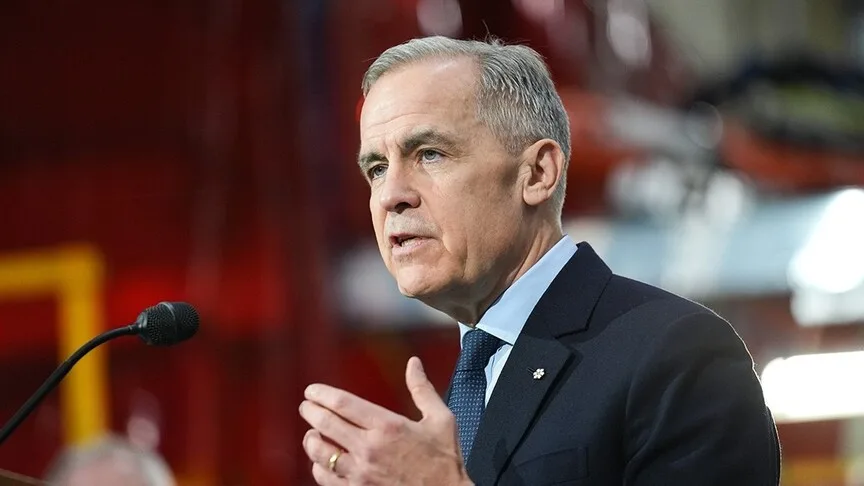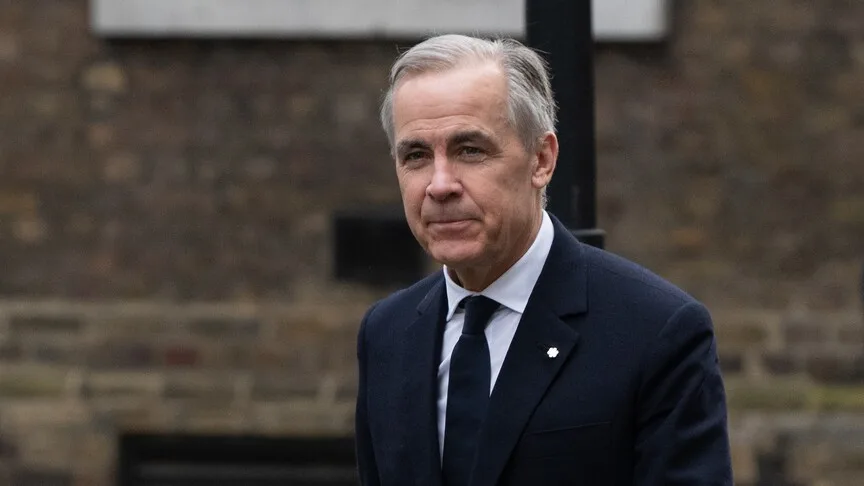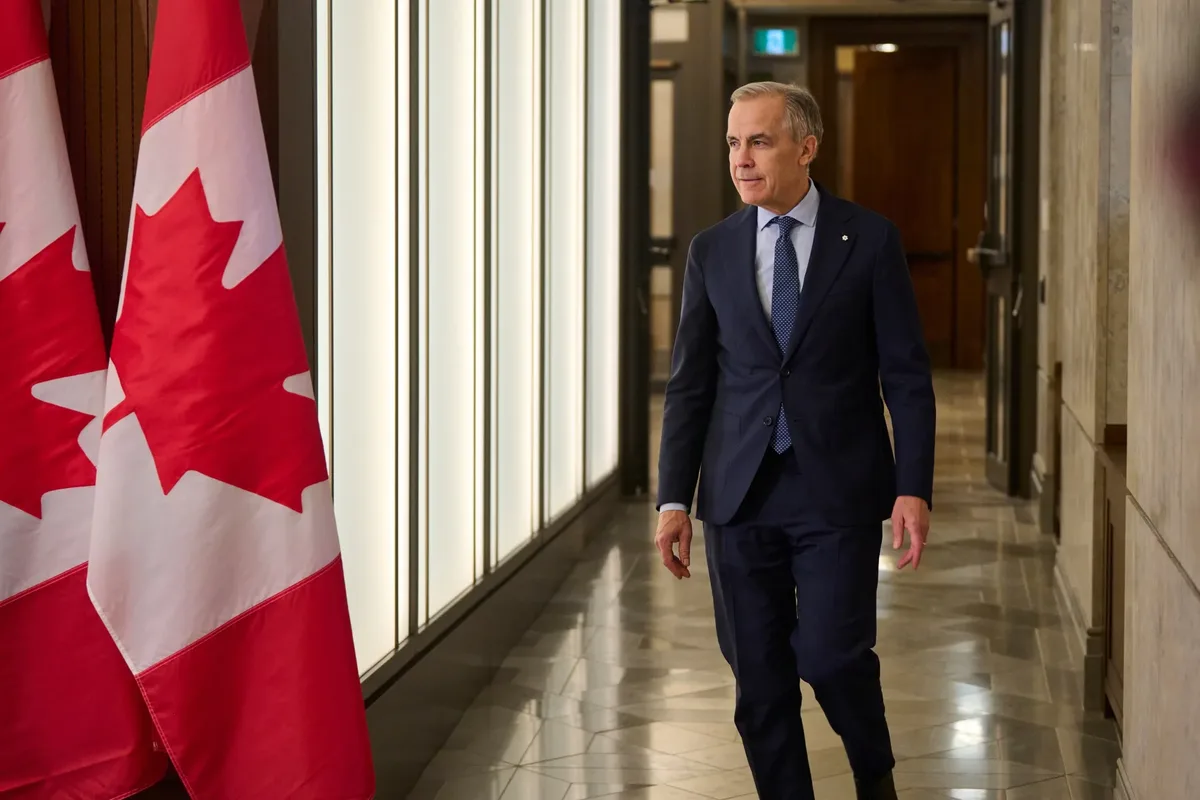
Canada aims to double its electricity generation capacity by 2050 to meet rising demand and improve energy resilience, Prime Minister Mark Carney announced on May 14 [1, 2]. The government projects the cost of expanding the nation’s power grid at more than C$1 trillion ($729 billion), to be funded by federal and provincial governments along with the private sector [1].
Carney highlighted electrification as key to affordability, competitiveness, emissions reduction, and economic strategy. "Electricity demand in Canada is expected to double by 2050, so we will double our grid," he said. "The path to competitiveness is electrification," Carney added, calling for Canada to master its own affordable, clean, reliable power to control its energy future [2].
The government plans to relax clean electricity regulations to allow more use of natural gas in power generation, aiming for flexibility amid rising global energy prices driven by conflicts in Ukraine and the Middle East [1, 2]. "In a rapidly changing world, Canada must become the source of our own affordable, clean, reliable power," Carney said [2].
On May 15, Carney and Alberta Premier Danielle Smith signed an energy collaboration deal that includes a privately funded oil pipeline from Alberta to the British Columbia coast, capable of transporting one million barrels of bitumen daily [3]. The agreement sets carbon pricing for Alberta oil sands, targeting CAN$100 per ton by 2027 and CAN$130 per ton by 2040, alongside plans for Alberta to operate a pipeline to Cold Lake to sequester carbon emissions underground from 20 oil sands facilities [3].
Smith called the deal "a major step forward for Alberta and Ottawa," while Carney said the agreement aimed to "build trust in a Canada that works for all Canadians, including those in Alberta" [3]. The deal comes amid tensions, as about 300,000 Albertans signed a petition advocating for provincial separation [2, 3]. Carney emphasized any separation referendum must comply with the federal Clarity Act and respect individual and Indigenous rights [2].
Canada’s plan to expand electricity generation and build new energy infrastructure signals a major national effort to boost energy security and economic growth. The government’s next steps will focus on implementing the new pipeline project and adjusting electricity regulations to balance clean energy goals with reliability.