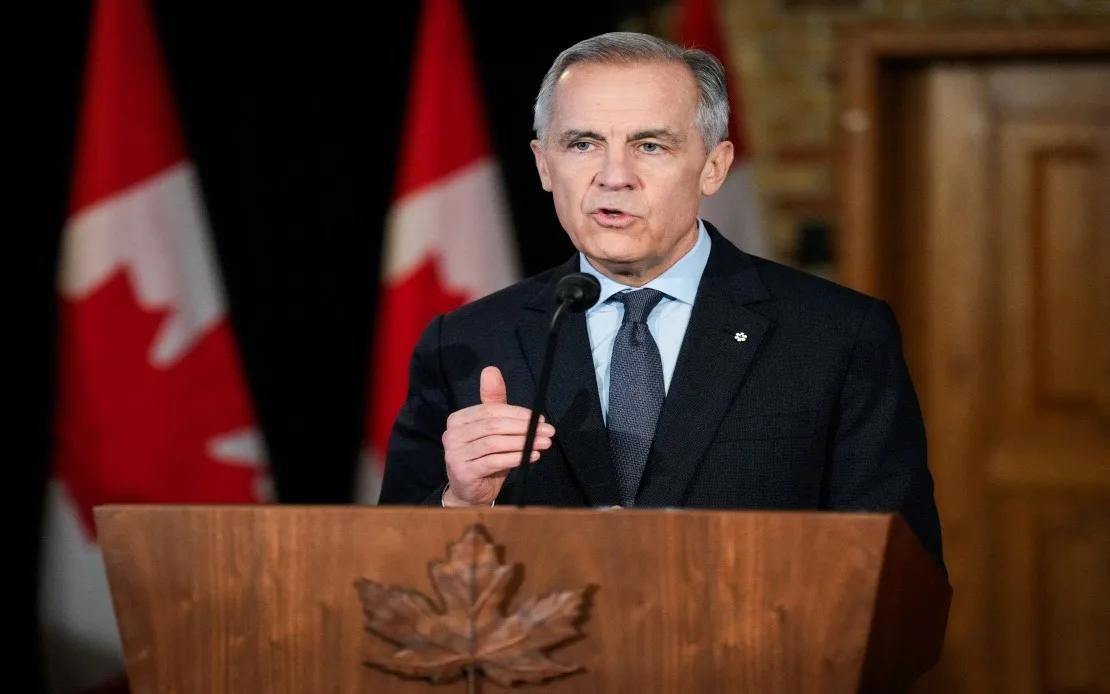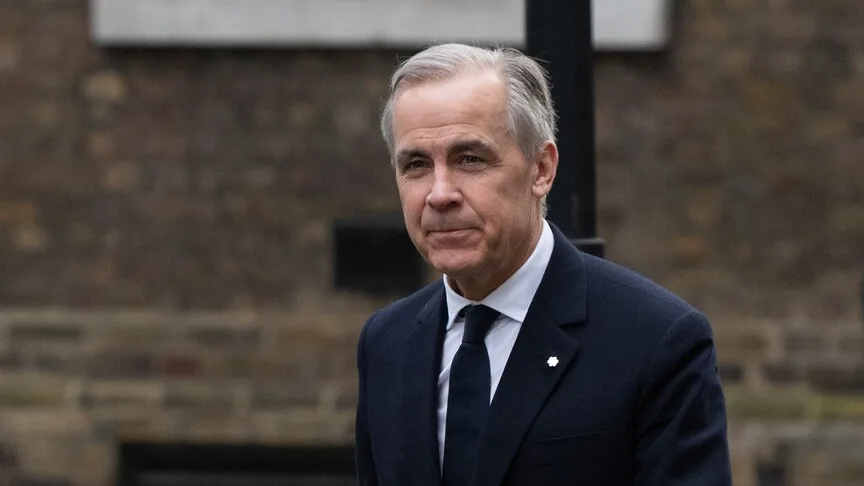
Canada suspended trade talks with the United States on the evening of August 21, 2026, citing insufficient progress and unfair last-minute changes to US terms that undermined the reliability of any deal [1, 2, 3]. Prime Minister Mark Carney said Canada aimed to secure a fair agreement that would provide better access to the US market and greater certainty for Canadian businesses and workers [2, 3].
Carney criticized the US side, stating, "They asked too much and they offered too little" [1]. He added, "Last-minute changes in the US proposed terms were unfair, uneconomic, and called into question the reliability of any deal" [2]. Canada’s negotiators worked in good faith until the last minute but withdrew after the sudden changes raised doubts about a trustworthy agreement [1, 2, 3].
Both sides blame each other for the failure to reach a deal, accusing one another of last-minute alterations that led to the talks collapsing [1].
The US announced it will impose a 50% tariff on about CAN$28-30 billion (roughly US$22 billion) of Canadian goods starting at midnight on August 22, 2026 [1, 2, 3]. This tariff affects key Canadian exports including steel, dairy, appliances, and electronics [1, 2, 3].
In response, Canada vowed to retaliate by implementing matching tariffs dollar-for-dollar beginning September 8, 2026, to protect Canadian workers and businesses [1, 2, 3]. Prime Minister Carney emphasized, "Canada will match those tariffs dollar for dollar to protect our workers and businesses" [3].
As the US tariffs take effect today, tensions between the two countries remain high, with no immediate indication that talks will resume before Canada’s retaliatory tariffs come into force in early September.