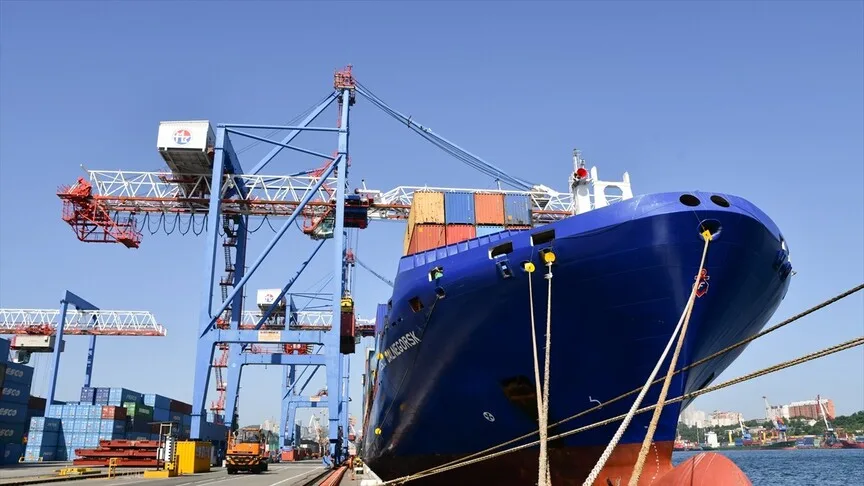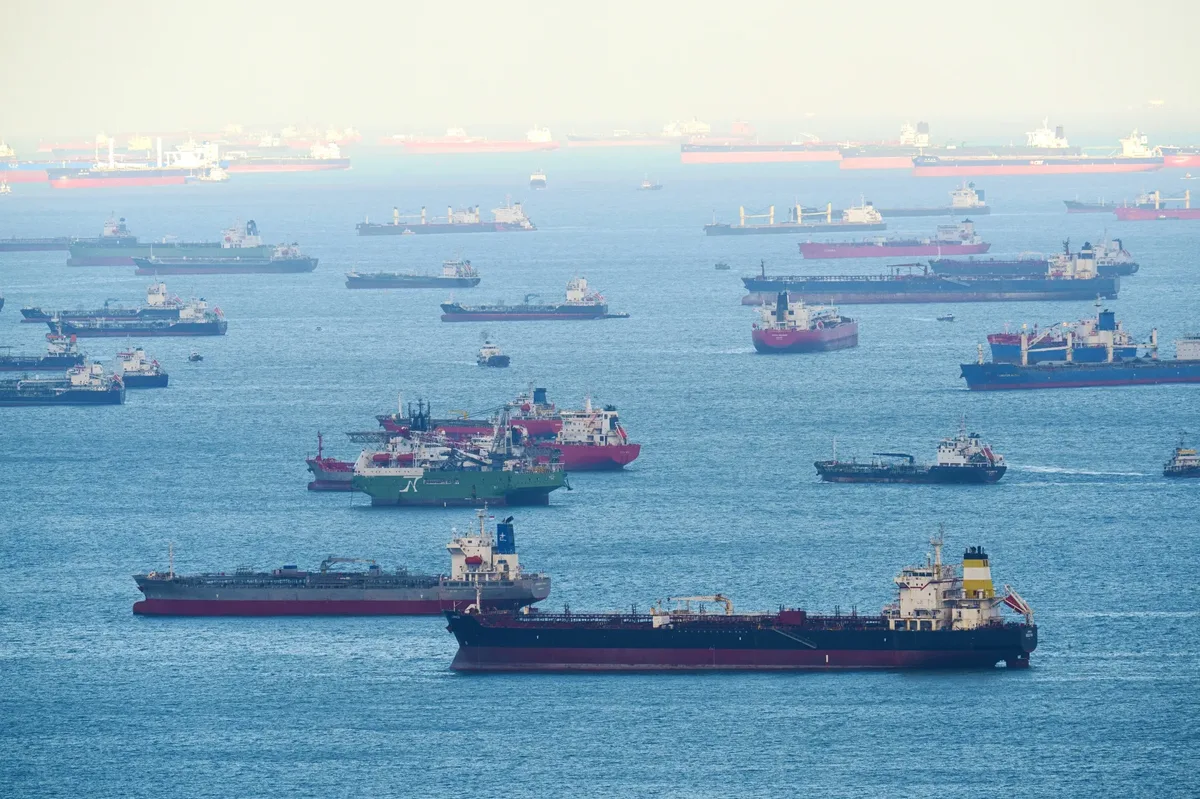
Container freight spot rates increased significantly following the outbreak of the US-Israel-Iran conflict in late February 2026, with rates spiking between 80% and 109% since then, according to different industry sources [1, 2]. The war disrupted trade through the Strait of Hormuz, where flows dropped 90% below normal levels, forcing ships to reroute via the Red Sea. This rerouting extended transit and delivery times substantially [2].
As of early June 2026, spot rates for a 40-foot container climbed to around $3,649 for Asia to northern Europe and $3,933 for Asia to the US West Coast, according to one report [1]. Another source placed the Shanghai-Rotterdam route at $3,570 and Drewry’s World Container Index benchmark at $3,344 as of June 4 [2]. Routes from Shanghai to New York and Los Angeles rose by 98% and 108%, reaching $5,505 and $4,565 respectively [2].
Fuel cost increases and rising fuel surcharges have also pushed freight rates higher worldwide [1, 2]. Industry players expect bunker fuel price adjustments on July 1, 2026, may drive costs up further [2].
Shippers are placing orders earlier to adjust for longer transit times and to preempt US tariffs set to take effect in July 2026 [2]. Cargo demand linked to the 2026 FIFA World Cup is adding some upward pressure on rates as well, though to a lesser extent [2].
Freight market data released in early June detailed these disruptions and rate hikes, with Bloomberg noting weekly increases on key Asia-Europe and Asia-US routes [1, 2]. The evolving conflict and regulatory changes suggest continued volatility in shipping costs over the summer months.
Fuel price adjustments expected July 1 remain a key near-term factor that could push container freight spot rates higher amidst ongoing trade route disruption and cargo volume shifts [2].