Disney announced layoffs affecting hundreds of employees across multiple divisions including Pixar, National Geographic, ESPN, Disney Studios, and Television on August 4-5, 2026 [1, 2, 3, 4]. Pixar was hit hardest, shedding between 100 and 150 staff — a "high single percentile" slice of its approximately 1,100 employees — primarily in production and operations teams, though it is unclear if executives were among those laid off [1, 2, 3, 4].
This is Pixar's largest round of job cuts since May 2024, when about 175 employees, or 14% of its workforce, were let go amidst a slowdown in Disney+ original content production [1, 2, 3, 4]. Julia Lundman, a Pixar artist, said the layoffs "utterly gutted" the studio’s veteran staff, calling the losses “incredibly devastating” [4].
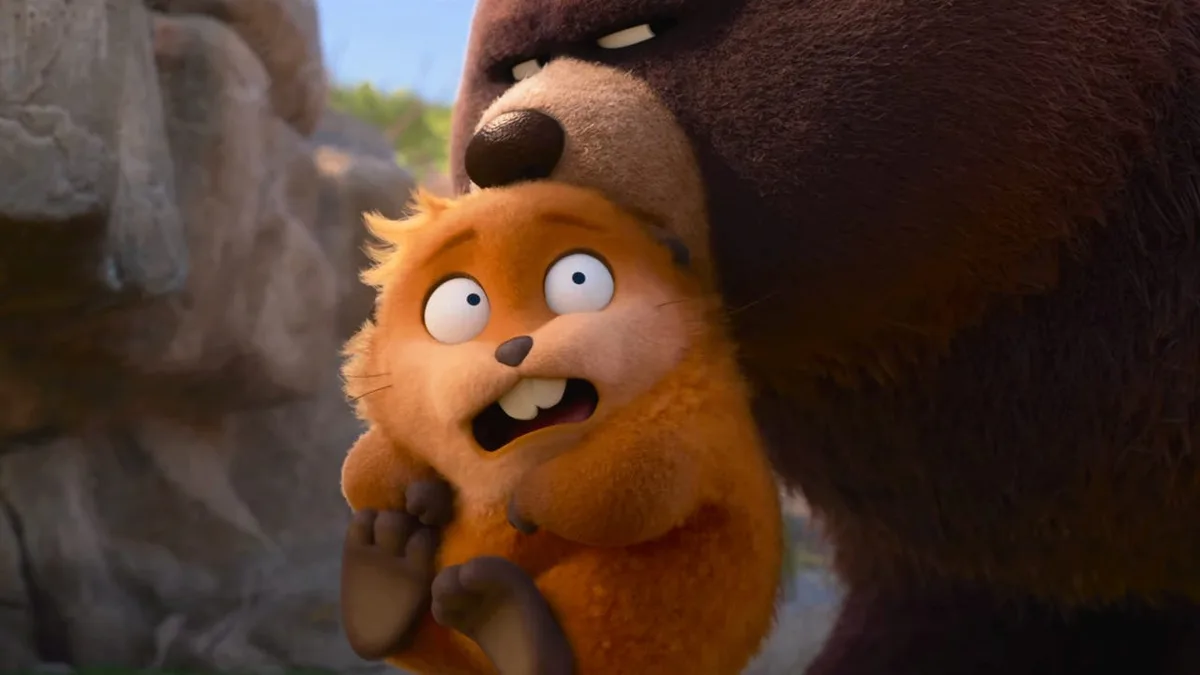
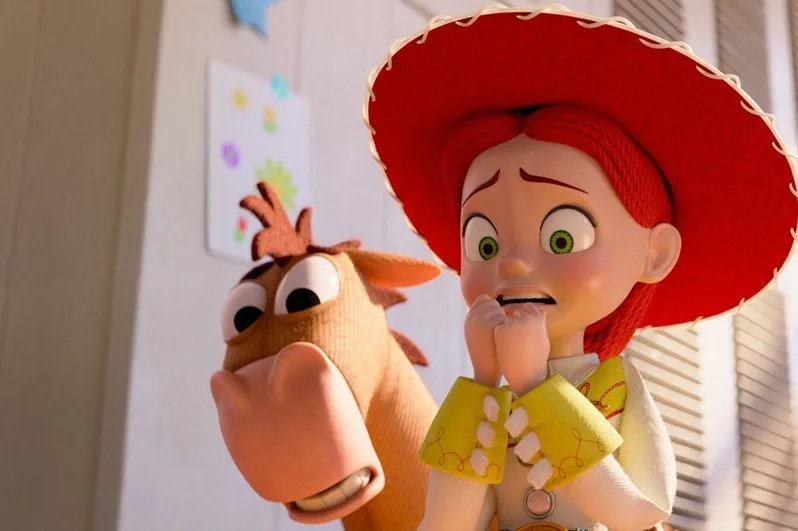
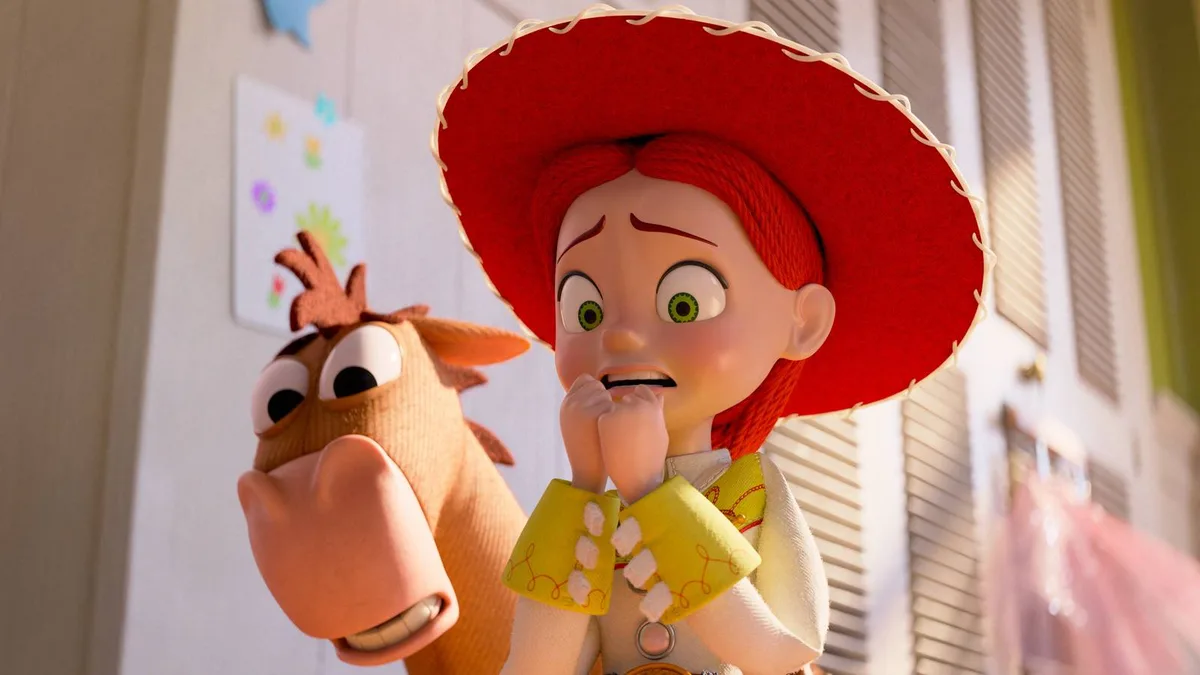
Pixar’s recent original films have struggled financially compared to franchise titles. The March 2026 release Hoppers grossed roughly $390 million worldwide, close to its $150 million budget but below expectations [1, 2]. Similarly, 2025’s Elio posted Pixar's lowest theatrical opening weekend for an original film [2]. By contrast, Toy Story 5 has been a box office hit, earning between $957 million and $1 billion worldwide this year [1, 2, 3]. Some sources put combined Toy Story 5 and Hoppers grosses at $1.2 billion [4].
Pixar is developing several upcoming films including the original Gatto, releasing March 2027 and starring Mark Ruffalo; The Incredibles 3 scheduled for June 2028; Coco 2 planned for 2029; and a Monster Inc. 3 in early development [1, 2].
Disney leadership attributes the layoffs to evolving industry dynamics and a strategic priority on reallocating resources toward more promising areas. A company spokesperson said, "These changes are part of our continual evaluation of how we manage resources and reinvest across the company as our industry continues to evolve" [2]. CEO Josh D’Amaro added the company is seeking to streamline operations and build a "more agile and technologically-enabled workforce" focused on quality rather than quantity [4].
Pixar’s difficulties with original films have been linked partly to shifting audience expectations due to Disney+ direct releases favoring home viewing [1, 2, 3]. The recent Disney layoffs form part of a broader "one Disney" strategy aimed at workforce streamlining and incorporating AI technologies [4].