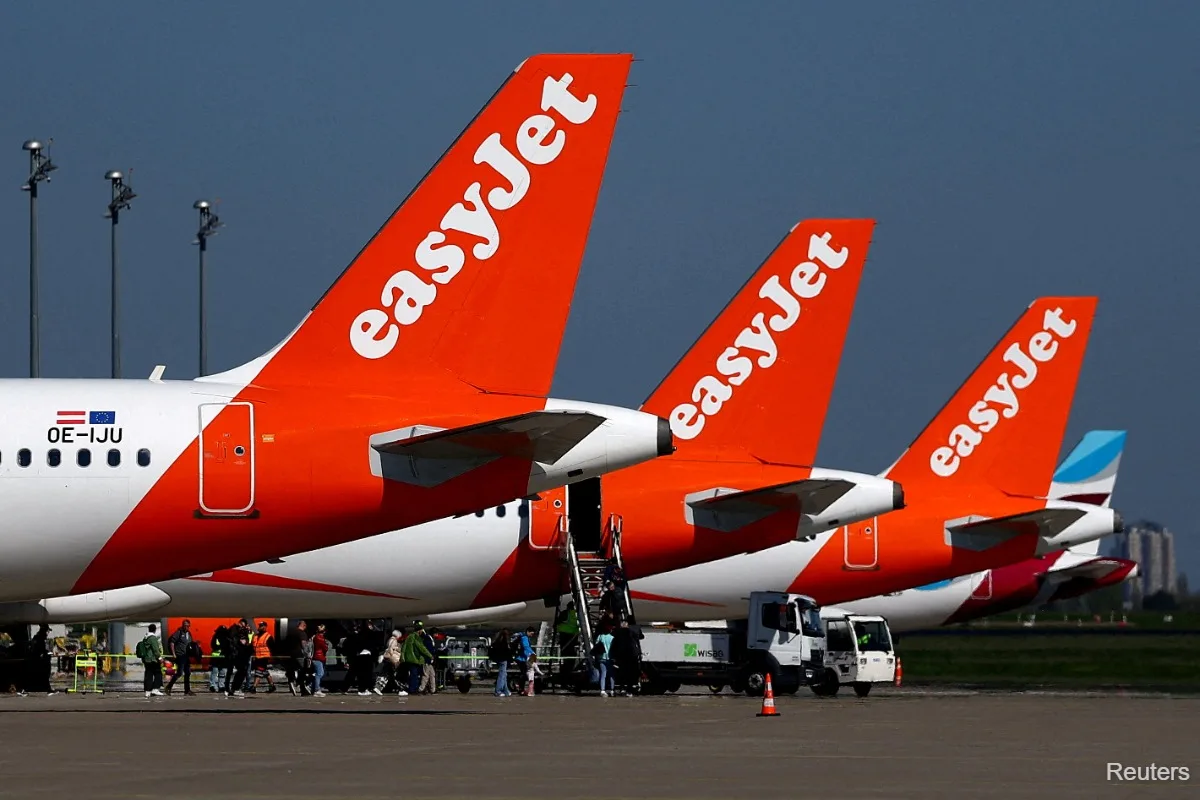
EasyJet's pre-tax profit for the quarter ending June 30, 2026, plunged 70% to £85 million from £286 million the previous year [1, 2, 3]. The sharp decline came as fuel costs surged by £105 million year-on-year, driven by the Iran war that sparked a spike in energy prices [1, 3]. Fuel costs reached £732 million in this quarter, significantly squeezing margins [3].
Passenger numbers remained stable at 25.8 million, slightly below 25.9 million a year earlier, while the load factor dipped 1.3 percentage points to 88.9% [3]. Despite this, easyJet CEO Kenton Jarvis said pricing remained attractive, which boosted late bookings and reflected improving consumer confidence. Jarvis noted, "Pricing has been attractive, driving strong late booking demand for our flights and holidays" [1]. He also highlighted that the gap in summer load factors narrowed as confidence grew [2, 3].
The spike in fuel costs was traced back to hostilities in the Middle East that began in late February 2026, with fuel prices peaking at around $1,800 per metric ton in April, affecting easyJet’s largely unhedged fuel expenses [1, 3].
Meanwhile, easyJet's board has shown a preference for a £5.7 billion takeover bid from Apollo Global Management over a £5.5 billion offer from Castlelake [1, 2, 3]. The deal faces uncertainty due to an ongoing EU review of airline ownership rules, complicating the takeover's path [1, 2]. Apollo has set a deadline of August 7, 2026, to submit a firm offer or withdraw [3].
Looking ahead, easyJet expects its full-year results to be influenced by remaining bookings and fuel price volatility. The airline anticipates capacity growth for the remainder of 2026 as demand holds steady [3].