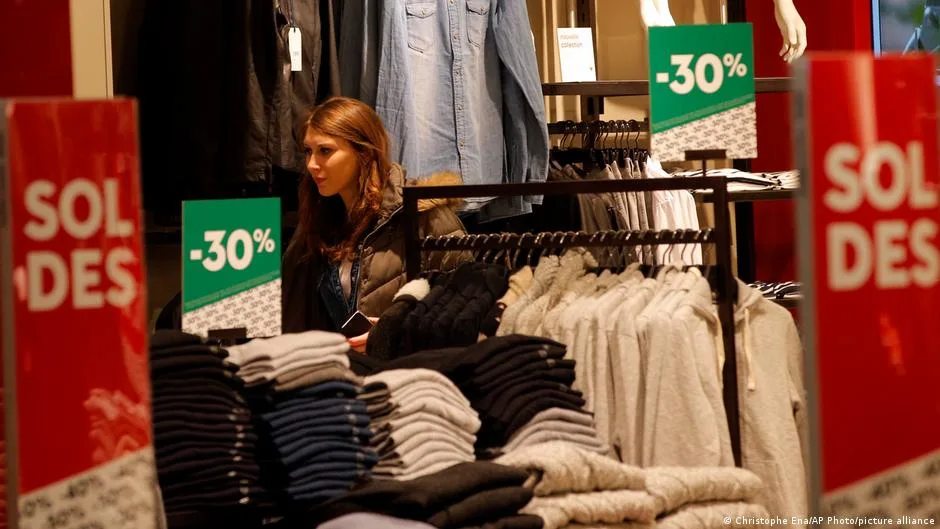
The European Union implemented a ban on destroying unsold clothing, accessories, and footwear for large companies with over 250 employees and €50 million turnover starting July 19, 2026 [1, 2, 3, 4]. The restriction covers returned items and applies initially only to large firms, with plans to extend the ban to medium-sized companies by 2030 [1, 3, 4].
Under the ban, destruction is allowed only for products posing health or safety risks, counterfeit goods, or those seriously damaged beyond repair [1, 2, 3, 4]. Companies must prioritize resale, discounts, alternative markets, donations, repairs, or recycling instead of discarding unsold stock [1, 2, 3, 4].
Each year, about 4% to 9% of unsold textiles in Europe are destroyed, equating to roughly 264,000 to 594,000 metric tons of clothing lost [1, 2]. Online shopping returns fuel this waste, with around one in five fashion items ordered online returned and not resold [1].
The ban also requires affected companies to publish annual waste disposal reports and keep records for five years [1]. Environmental groups like Zero Waste Germany and Deutsche Umwelthilfe criticized loopholes allowing destruction on safety or technical grounds and warn of unclear enforcement and penalties [3, 4]. Zero Waste Germany's Michael Cieslik said companies will still face difficulties fully complying and that "some clothing will still be discarded instead of reused." Deutsche Umwelthilfe's Viola Wohlgemuth said "too many exceptions will undermine the law's effectiveness" and enforcement bodies lack clarity on penalties [3, 4].
Luxury fashion brands such as LVMH and Chanel face pressure from the ban to reform inventory and production planning amid concerns that channeling unsold items to discount or secondhand markets could harm brand value [2]. Luxury products accounted for 40% of sales at discount prices last year [2]. Analyst Luca Solca of Bernstein said the regulation "will push firms to focus more on production planning and stock management," while Giulia Iuticone of Heidrick & Struggles said "precise planning will become a competitive advantage if firms cannot adjust supply by disposing of stock." [2]
German textile and sports goods associations have called for more reliable data, cost-benefit analysis, and industry participation in rulemaking, arguing the regulation lacks these elements [3, 4].
The ban is part of the EU's wider Ecodesign for Sustainable Products Regulation aimed at cutting waste and emissions while promoting circular economy practices [1, 3, 4]. The next major step will be extending the destruction ban to medium-sized companies in 2030 [1, 3, 4].