The European Union announced it will suspend imports of Brazilian meat and other animal products starting Thursday due to concerns about Brazil’s compliance with EU rules on antibiotic use in livestock farming [1, 2, 3]. The suspension targets poultry, beef, eggs, honey, and animal casings [1, 2, 3].
Brazil was removed in May 2026 from the EU’s list of countries compliant with antibiotic use standards in animals [1, 2, 3]. The European Commission said Brazil failed to provide sufficient guarantees that its exports meet EU standards designed to prevent the misuse of antibiotics in livestock production. An EU spokeswoman said, "Brazil will no longer be authorised to export to the Union food-producing animals and products of animal origin intended for human consumption" [1].
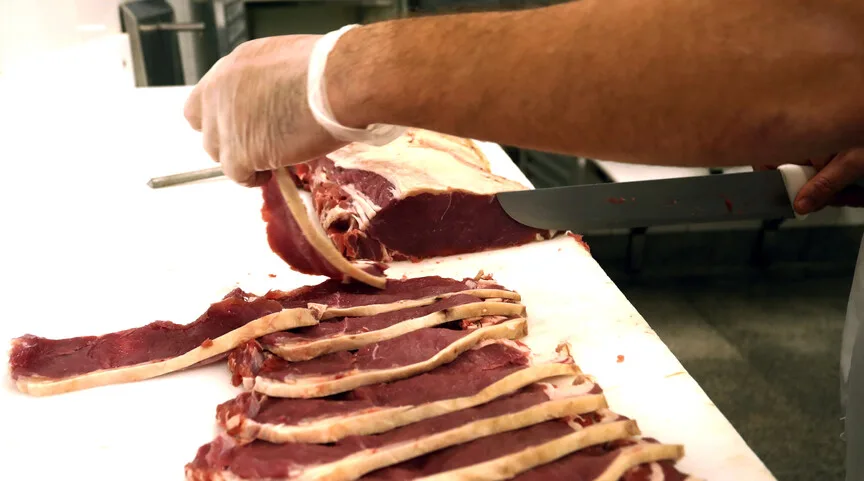
The EU bans antimicrobials used for growth promotion in livestock and restricts antibiotics reserved for human medicine, aiming to combat antimicrobial resistance [1, 2]. Brazil was the EU’s second-largest beef supplier in 2025, exporting over 92,000 tonnes valued at more than 713 million euros ($825 million) [1, 2].
The Brazilian government has not immediately responded to the suspension announcement but pledged in May 2026 to take swift action to reverse it [1, 2]. Carlos Roberto dos Santos, a Brazilian farmer, commented, "Production costs are much higher over there. A European farmer has no way..." reflecting concerns over compliance challenges [2].
An audit of Brazil’s poultry and honey sectors is set to conclude on Friday, September 4, 2026. If the audit results are positive and approved by EU member states, Brazilian poultry exports could resume within weeks. However, beef imports may take longer to restart [1, 2]. The EU has not provided a specific timeline for a full resumption of imports, as it depends on Brazil demonstrating compliance with antibiotic use rules [1, 2].
The European Commission spokeswoman added, "Brazil is an important partner for the EU and we are working closely, constructively and positively with Brazilian authorities to ensure their compliance with these requirements" [2].