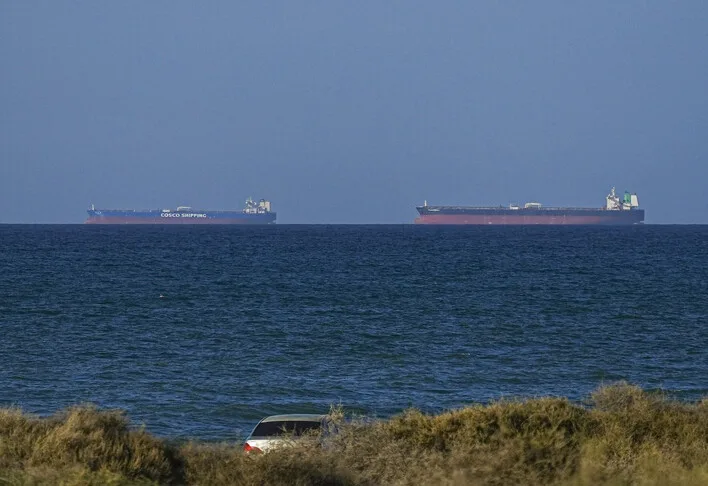
The Food and Agriculture Organization (FAO) warned during its June 2026 Council session that a closure or disruption of the Strait of Hormuz poses a global food security risk far beyond the region. The strait handles roughly 35% of the world's crude oil exports, 20% of liquefied natural gas exports, 20 to 30% of fertilizer exports, and about 50% of sulfur exports, making it a critical transport route for agricultural inputs and energy [1, 2].
FAO Director General Qu Dongyu said, "The closure of the Strait of Hormuz is not a regional issue—it is a global food security risk." The immediate major threat is not food shortages themselves but a shock to fertilizer supply and agricultural production inputs that could increase costs for farmers in Asia, Africa, and Latin America [1, 2]. He urged, "In the immediate term, we have called for keeping trade open, avoiding export restrictions on all agricultural inputs, protecting humanitarian food corridors, and securing alternative logistics routes" [2].
FAO is promoting measures to improve fertilizer use efficiency, soil mapping, precision agriculture, and intercropping. It is also supporting innovation funds for green ammonia and biofertilizers to reduce dependency on vulnerable supply chains [1].
The organization has highlighted the distinct challenges across regions: Africa’s untapped arable land and youthful populations; Asia-Pacific’s support for millions of smallholders; Latin America’s efforts against rural poverty; and the Near East’s focus on water scarcity and rural transformation [1].
Besides the transport risks, FAO pointed to possible worsening of food insecurity due to a potential El Niño event later in 2026 affecting climate risks in vulnerable areas [1, 2].
In December 2025, FAO launched a Global Emergency and Resilience Appeal aiming to help 100 million people in 2026, with a $2.5 billion funding target. By May 2026, about $206 million had been raised, approximately 8% of the goal [1]. FAO’s ongoing humanitarian work includes livestock vaccination campaigns in Sudan and emergency feed support in Gaza to sustain livelihoods [2].
The FAO Council session was held in Rome from June 8 to June 12, where the Strait of Hormuz crisis warnings and food security risks were emphasized [1, 2].