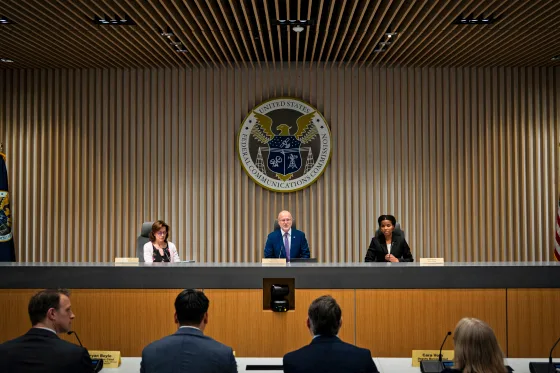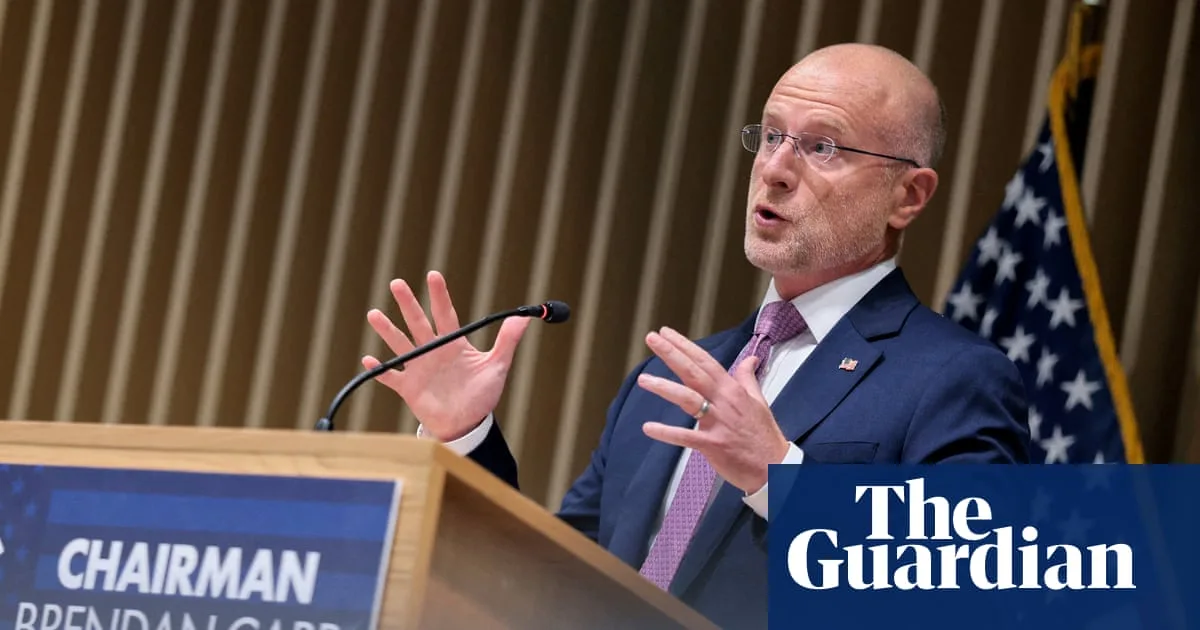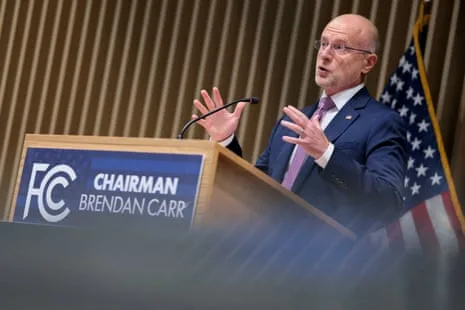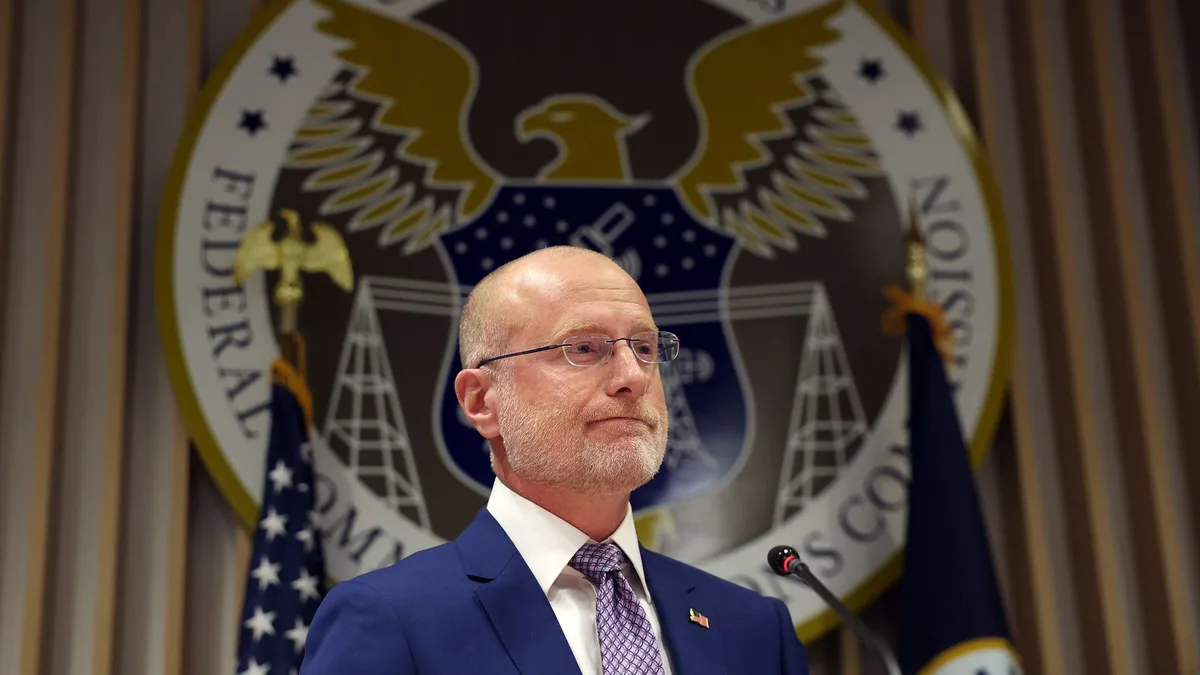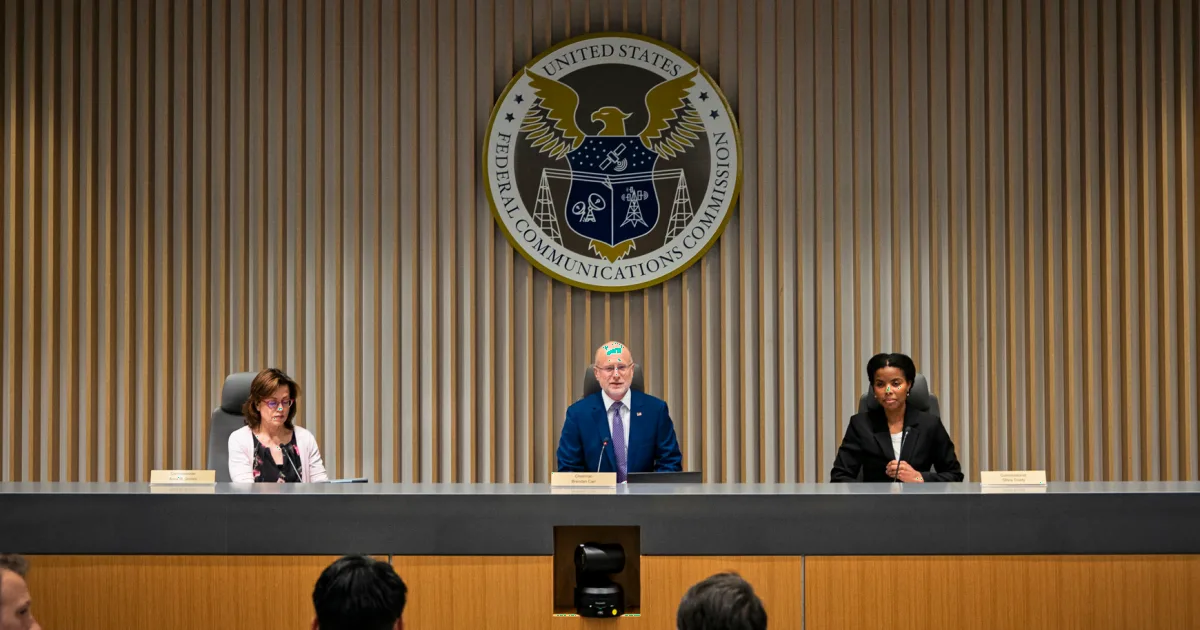
The Federal Communications Commission voted 2-1 on August 6, 2026, to repeal the national television ownership cap limiting companies to 39% of U.S. TV households, a rule set by Congress in 2004 [1, 2, 3]. FCC Chair Brendan Carr and commissioner Olivia Trusty supported the repeal, arguing the cap was outdated and constrained local broadcasters. Carr said, "It’s time to restore balance to the broadcast airwaves," and that the cap "prevents local broadcasters from competing on a level playing field" [1, 2].
Democratic Commissioner Anna M Gomez opposed the repeal, calling it unlawful and harmful to local journalism. She said the decision was "a profound departure from both statutory boundaries and longstanding broadcast policy" [1]. This disagreement reflects a split on whether the FCC has authority to change a cap set by Congress, with Carr and Trusty asserting such authority and Gomez and consumer groups disputing it [1, 2, 3].
The repeal opens the door for media companies like Nexstar to expand ownership beyond the 39% national audience cap. Nexstar’s $6.2 billion merger with Tegna, currently halted by a federal judge’s injunction amid an antitrust lawsuit, stands to benefit [1, 3]. A Nexstar spokesperson said removing the cap will allow broadcasters to "reach the scale they needed to compete on a more level playing field" and invest more in local journalism [3].
The FCC will now assess ownership deals on a case-by-case basis using a public interest standard instead of a fixed national cap [2, 3]. Earlier in March 2026, the FCC’s Media Bureau granted Nexstar a waiver to temporarily transfer Tegna’s licenses pending a full review [1, 3].
The injunction blocking Nexstar-Tegna's merger came days after the FCC vote, adding legal uncertainty to the process [1, 3]. The 39% ownership cap had been in place since 2004, aimed at limiting media consolidation and protecting local content [1, 2]. Opponents fear its removal will mostly benefit large national media companies and harm local journalism by increasing consolidation [1, 2].
The FCC’s next step will involve reviewing pending and future broadcast ownership deals individually under the new public interest framework.