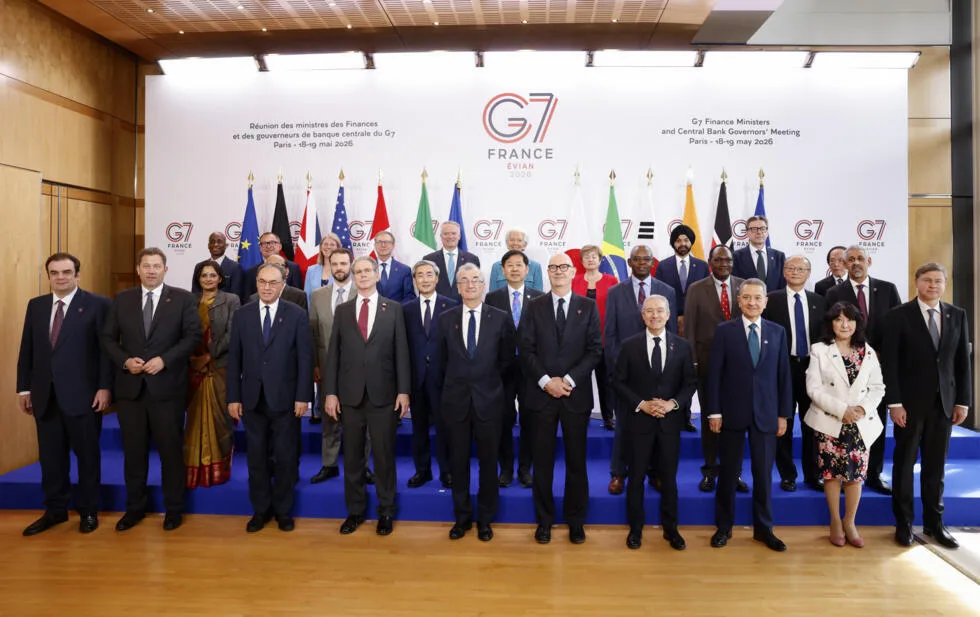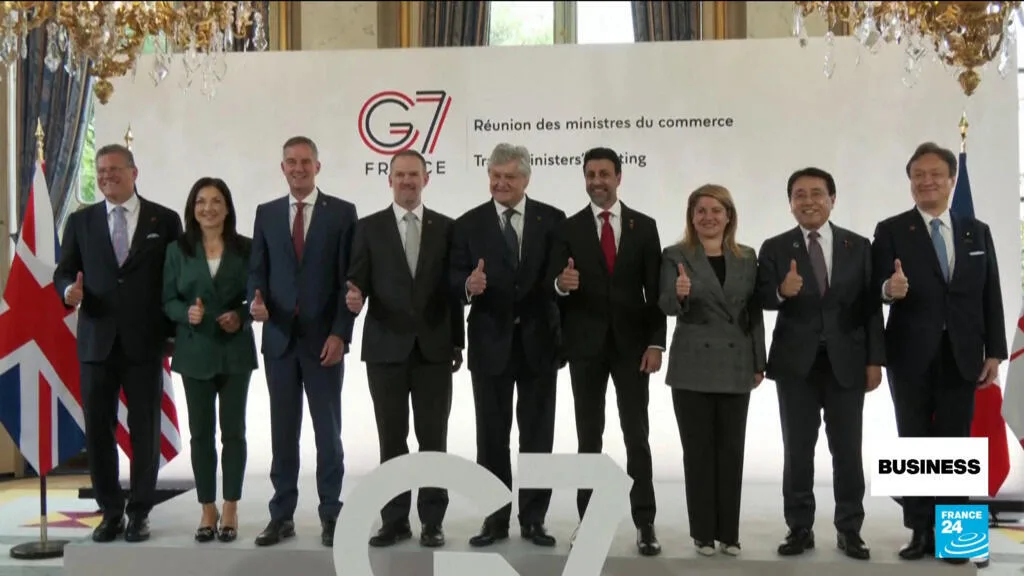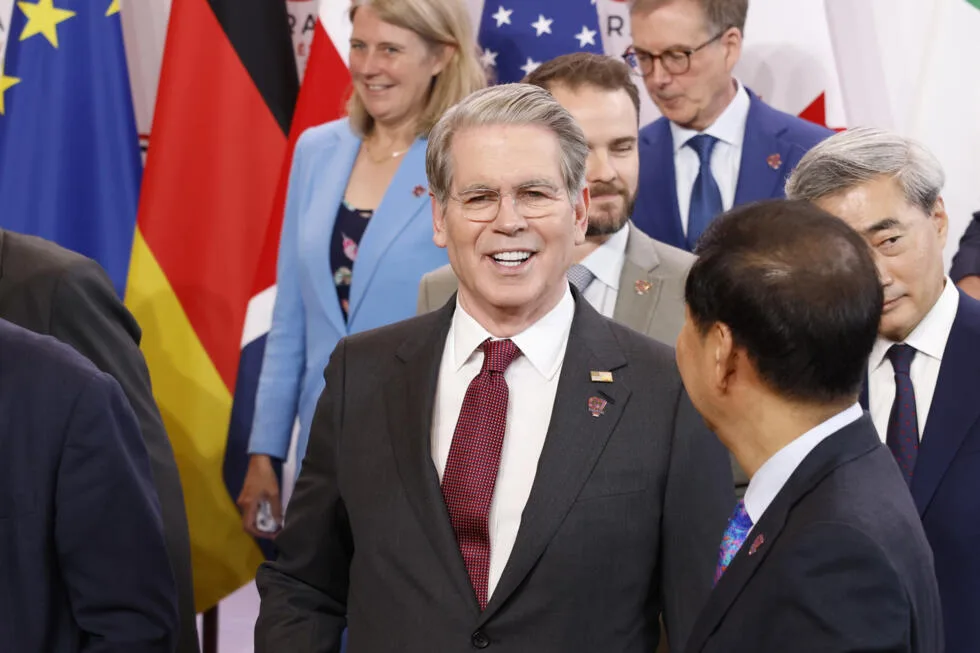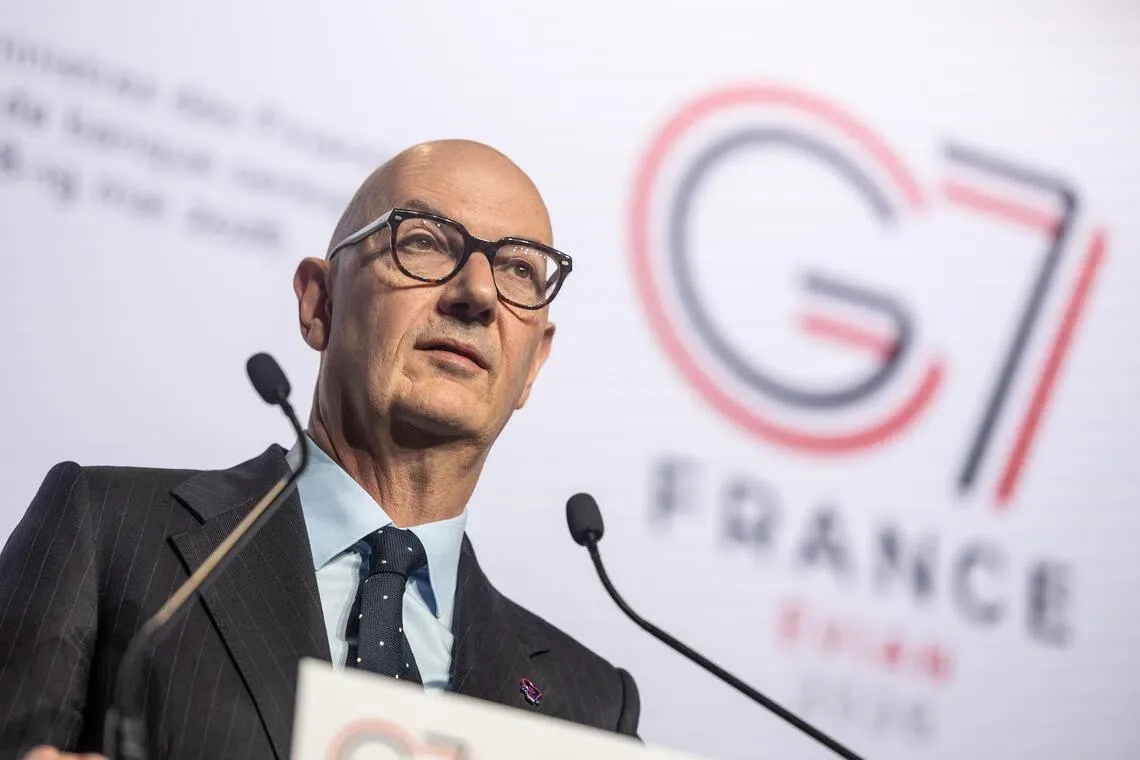
G7 finance ministers met in Paris on May 19 to address economic stability amid the US-Israeli war on Iran. They agreed on the need for strong multilateral cooperation to confront heightened risks to the global economy caused by the conflict [1, 2, 3]. The ministers issued a final communiqué reaffirming their commitment to joint efforts to manage risks to growth and inflation amid continuing uncertainty [1, 2, 3].
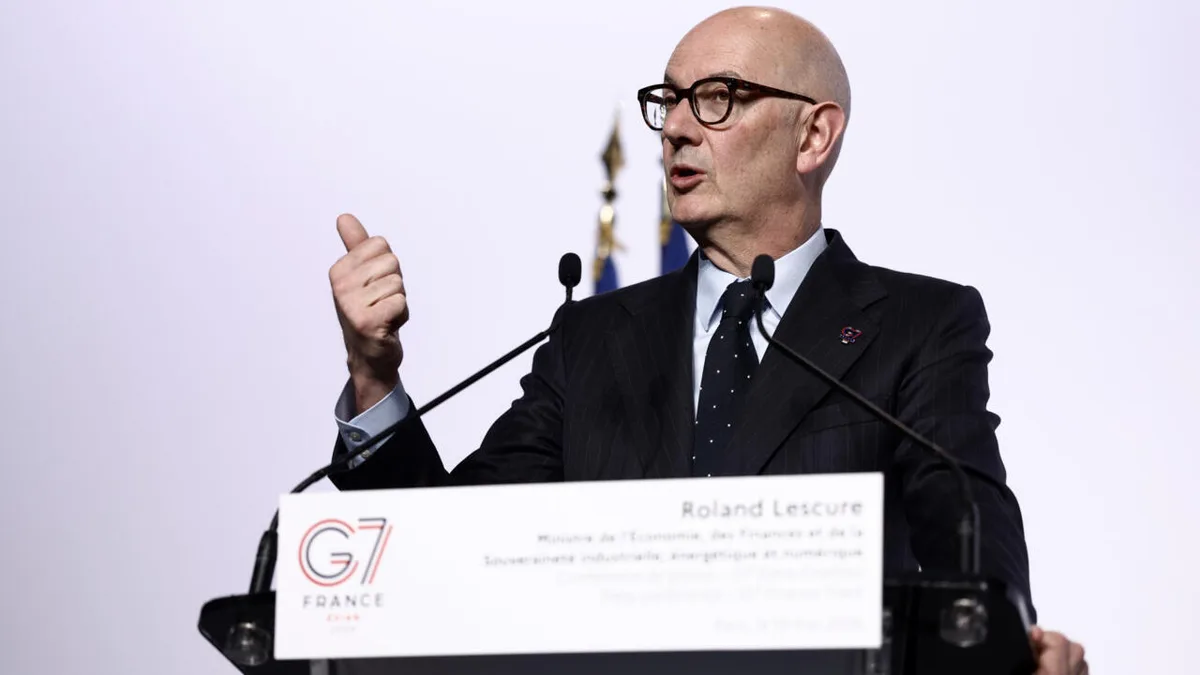
The statement pointed to significant pressures on energy, food, and fertilizer supply chains, especially hurting vulnerable countries. The ministers urged a swift return to free and safe transit through the Strait of Hormuz, which remains restricted due to an Iranian blockade since the war started [1, 2, 3]. French Finance Minister Roland Lescure said the talks were frank and sometimes difficult but necessary to find both long- and short-term solutions for major global economic challenges. He stated, "We have had frank, sometimes difficult, direct discussions to find long-term and short-term solutions to major global economic challenges in order to guarantee economic stability" [1]. Lescure also expressed optimism ahead of the upcoming summit, saying, "I think we have made considerable progress in the work, so that our leaders can (in Evian), I hope at least, conclude it on such important, very concrete issues as critical minerals and the resolution of global imbalances" [2].
The Paris meeting took place under France’s rotating G7 presidency and prepares for the G7 summit scheduled in June at the French Alpine resort of Evian. The summit will be chaired by President Emmanuel Macron and is expected to include US President Donald Trump [1, 2, 3]. Non-member countries Brazil, India, Kenya, and South Korea were invited to the Paris talks to broaden the G7’s international relevance [1, 2].
While the ministers agreed on the need to tackle global trade imbalances, they did not specify concrete measures in their statement [3]. One point of contention highlighted by some sources was the US decision to extend a waiver on sanctions against Russia, revealing divisions within the G7 over Russia policy [3].
The next major gathering will be the June G7 summit in Evian, where leaders are expected to build on the Paris discussions and confront issues such as critical minerals and trade imbalances [1, 2, 3].