Global hunger affected 7.8% of the world population in 2025, down from 8.1% in 2024 and 8.6% in 2022, according to a UN Food Security and Nutrition report published July 21, 2026 [1, 2, 3]. The number of undernourished people dropped to 645 million in 2025, 14 million fewer than in 2024 and 43 million fewer than in 2022 [2, 3].
Despite these improvements, the report found 2.69 billion people—about one in three worldwide—could not afford a healthy diet in 2025 that meets energy and nutrient needs [1, 3]. The cost of a healthy diet was estimated at 4.28 purchasing power parity (PPP) dollars per day, well above the extreme poverty line of $3 PPP per person. Maximo Torero, chief economist at the Food and Agriculture Organization, said, "The extreme poverty line is $3PPP per person. So it’s significantly higher" [1].
Obesity rates are also rising, with adult obesity increasing from 12.1% in 2012 to 16.2% in 2024. Torero described the rise as “extremely urgent,” warning that "we need to now work intensively on trying to minimise those risks and those hidden costs that that substantial increase in obesity will bring" [1].
Africa remains the region with the largest undernourished population, housing 309 million hungry people in 2025—approximately one in five Africans [2, 3]. The continent also had the highest rate of people unable to afford a healthy diet at 66.6%, more than double the rates seen in Asia and Latin America and the Caribbean [1]. Hunger prevalence in Africa fell slightly from 20.3% in 2024 to 20% in 2025, but population growth kept the total number of hungry people rising [3]. Some African countries, including Ethiopia, Tanzania, Zimbabwe, Senegal, and Zambia, showed early signs of hunger improvements in 2025 [2].
Asia and Latin America made steady progress in reducing hunger prevalence in recent years, contributing to the global decline [2, 3]. Torero noted, "The big difference to previous years is that this year the rate of hunger has declined in all continents, including Africa, although very, very slightly" [2]. He added, “We hope the trend won't change, but there are several risks affecting us right now,” referring to ongoing geopolitical tensions such as the 2026 US-Israel war on Iran and climate-related risks [2, 3].
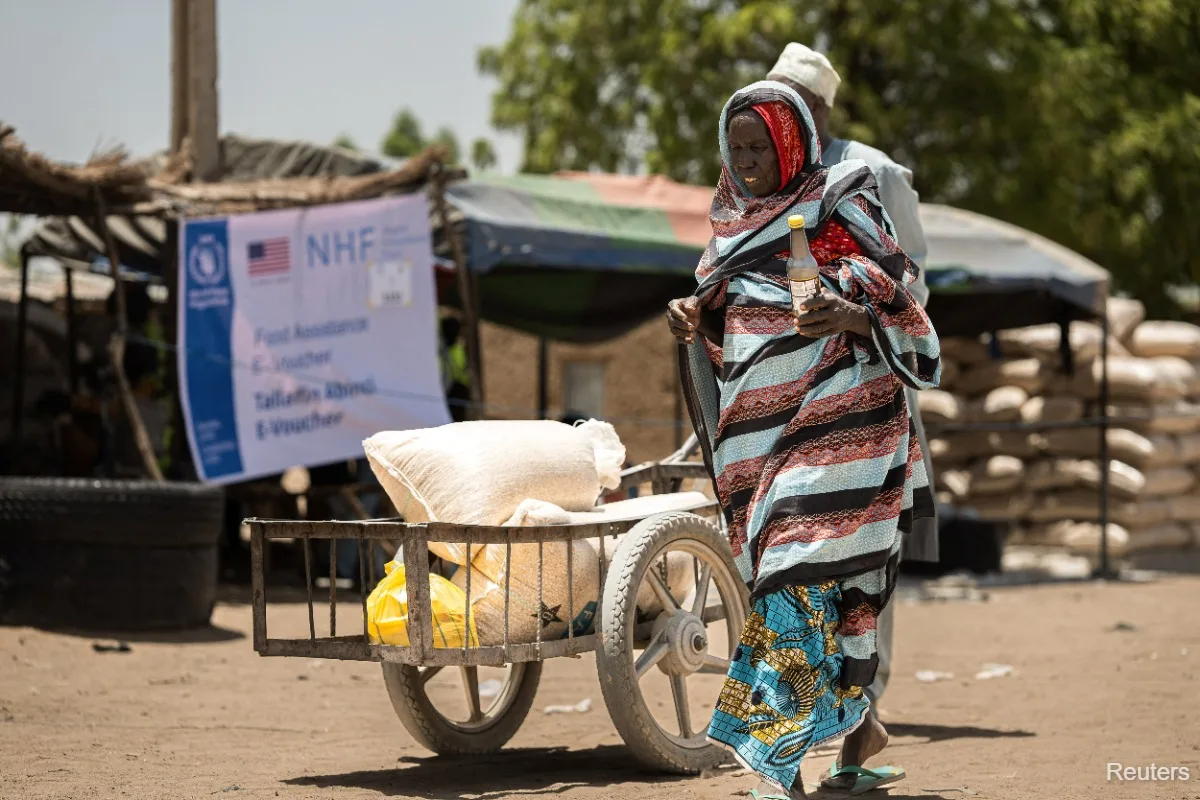
On May 13, 2026, food assistance was provided to individuals in Nigeria amid ongoing hunger challenges, illustrating continuing needs on the ground [2].
Projections suggest global hunger will continue to decline toward 2030, with about a 20% reduction in undernourished people expected compared to current estimates [2, 3].