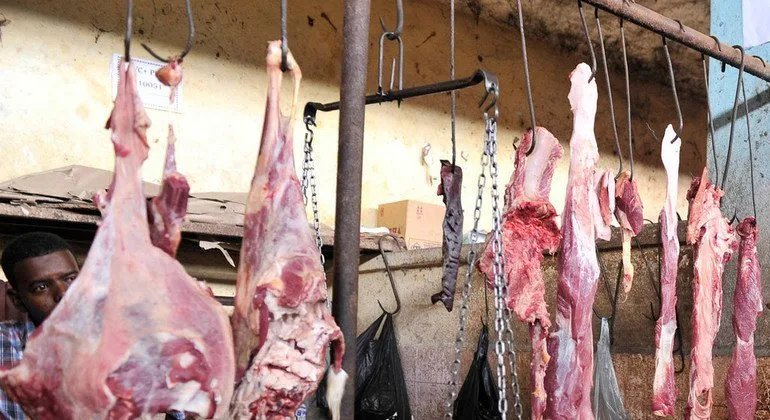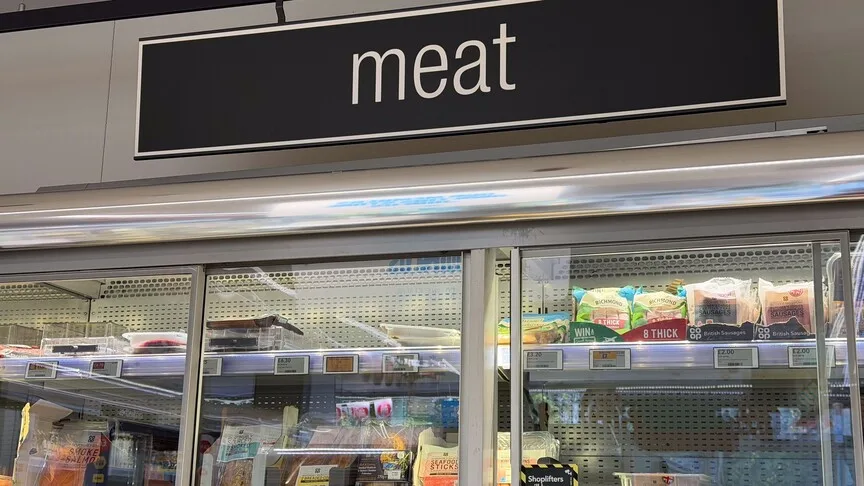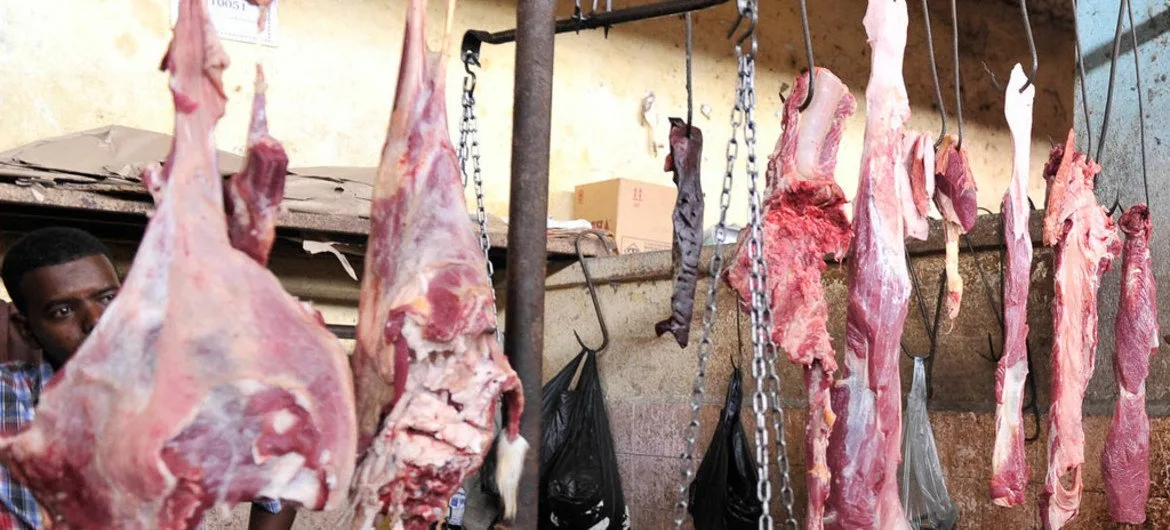
Global terrestrial animal source food (TASF) supply rose about four times between 1961 and 2022, reaching 361 million tons of meat in 2022 from approximately 71 million tons in 1961 [1]. Milk production more than doubled to 930 million tons, and egg output climbed over sixfold to 94 million tons during the same period [2, 1].
The growth in meat supply was uneven across types. Poultry meat supply expanded nearly fivefold, while eggs and pig meat production almost doubled. Bovine meat supply, however, remained stable or decreased in many regions [2, 1]. Asia became the largest producer of terrestrial animal source foods globally, followed by Europe, but per capita availability is highest in North America. Despite Asia's vast production, per capita supply there remains relatively low [2, 1].
Approximately one-third of all food produced worldwide is lost or wasted, with around 14% of terrestrial animal source food lost or wasted annually. This loss is worsened by inadequate cold chain infrastructure and poor temperature control, especially in low- and middle-income countries [2, 1]. Additionally, international trade accounts for only about 10% of global terrestrial animal source food consumption, limiting access particularly in developing economies [2].
The livestock sector is the fastest-growing part of global agriculture [1]. But it faces major challenges, including environmental pressures like deforestation and greenhouse gas emissions, resource competition, inefficiencies in production, animal welfare concerns, and public health risks [2]. Meanwhile, around 1,900 insect species are consumed as food globally, representing an unconventional but notable protein source [2].
The next key data update on global terrestrial animal source food supply is expected with future FAO or agricultural reports, which will track continued demand growth and industry shifts amid global sustainability and food security concerns [2, 1].