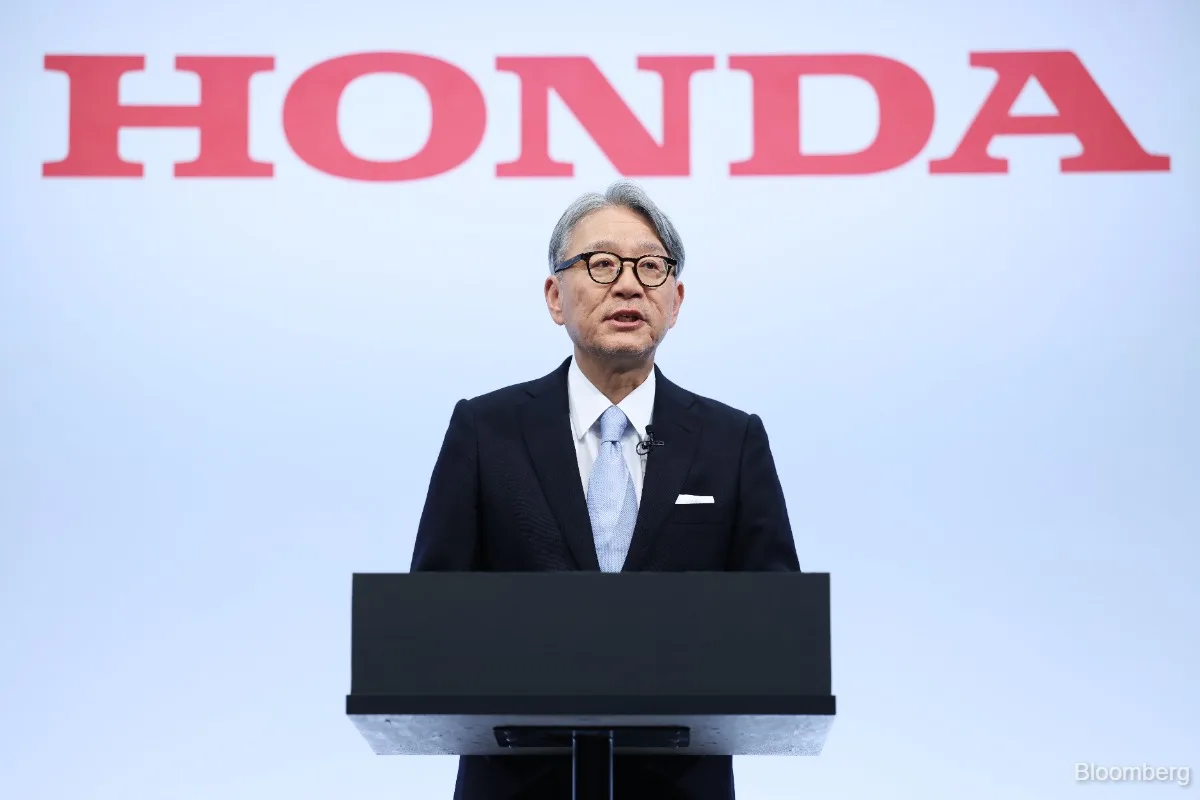
Honda Motor Co reported a ¥414.3 billion (US$2.6 billion) operating loss for the fiscal year ended March 2026, its first annual loss since the late 1940s. [1] The loss was driven in part by a ¥2.5 trillion writedown on electric vehicle investments in the United States. [1] Honda also faced five consecutive quarters of automotive business losses due to an aging lineup and struggles in key markets including the U.S. and China. [1]
In contrast, Nissan Motor Co, which had been in a rapidly deteriorating financial position at the time of a planned but collapsed tie-up with Honda last year, posted an annual operating profit for the same period. [1, 2] Nissan has cut 20,000 jobs and closed seven factories in efforts to reduce costs and production amid falling retail sales in the U.S. and China. [1]
Both Honda and Nissan are losing ground in emerging markets such as India and Mexico to Chinese automakers like BYD and SAIC Motor’s MG brand. [1] The failed Honda-Nissan tie-up last year collapsed because Nissan resisted becoming a wholly-owned subsidiary of Honda, despite Honda’s stronger financial position at the time. [1, 2]
Seiji Sugiura, senior analyst at Tokai Tokyo Intelligence Laboratory Co., said, "They’ll have to try it again." He added, "Both companies face systemic problems. In other words, they’re both no longer able to make good cars." [1]
Despite their challenges, executives at both automakers forecast a return to profitability. [1] The companies may revisit merger discussions given their shifting financial fortunes. The next financial reports and strategic decisions later in 2026 will be closely watched for signs of renewed cooperation or consolidation. [1]