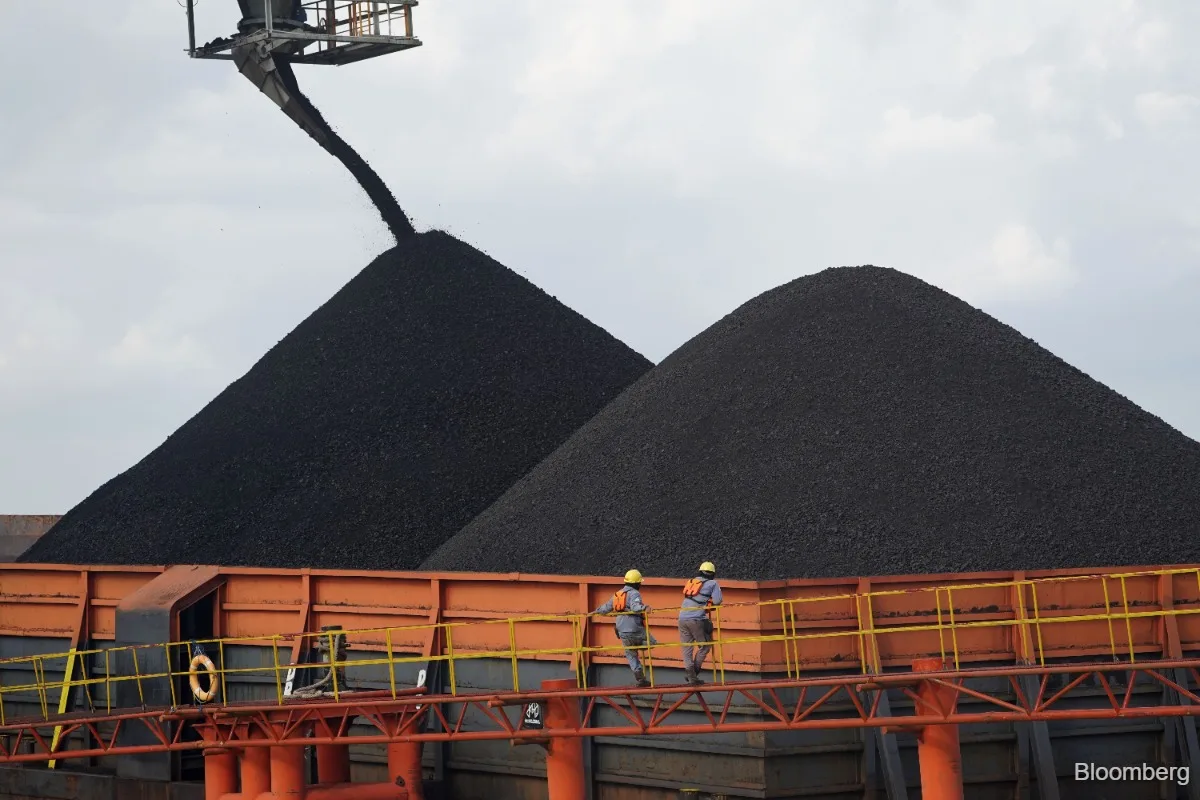
Indonesia’s energy ministry ordered coal miners to supply an additional 2.7 million tonnes of coal to domestic power plants in June 2026 to ease power shortages [1, 2]. The extra coal represents about 2% of the total coal contracted by state power firm Perusahaan Listrik Negara (PLN) so far this year [1, 2].
Last week, rolling blackouts occurred across Java, the country’s most populous island, disrupting electricity for millions [1, 2]. Energy Minister Bahlil Lahadalia said on June 21 that the outages were caused by technical problems at power plants, not by a coal shortage. "The power outages were caused by technical issues rather than a shortage of coal," he said [1, 2].
PLN president Darmawan Prasodjo said the blackouts stemmed from issues at two large power plants on Java [1, 2]. Despite these statements, the government has tightened coal supplies to power plants amid a policy to cut thermal coal production in 2026 through reduced mining quotas to support prices [1, 2].
To address supply concerns, the government invoked a ministerial decree allowing it to require miners to prioritize domestic coal sales if local needs are not fully met. Indonesian miners are mandated to sell a portion of their coal domestically each year, usually at below-market prices [1, 2].
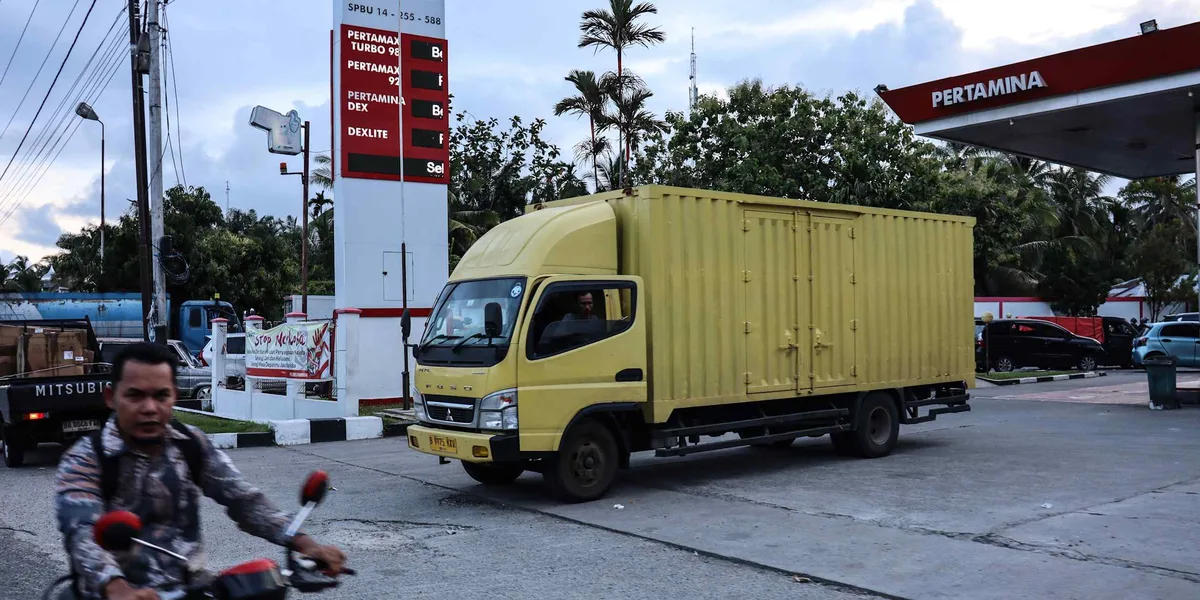
There have also been fuel shortages affecting truck drivers and vehicle operators, especially in Sumatra, where wait times for diesel at gas stations have increased [3]. Additionally, the government temporarily suspended some coal exports in response to the power outages, though details are limited [3].
On June 12, the energy ministry issued an official letter directing miners to deliver the additional 2.7 million tonnes of coal to power plants that month, aiming to stabilize the electricity grid [1, 2].
Authorities continue to monitor the situation as power demand rises and technical problems at key facilities are addressed. The additional coal deliveries are expected to support electricity generation in the coming weeks [1, 2].