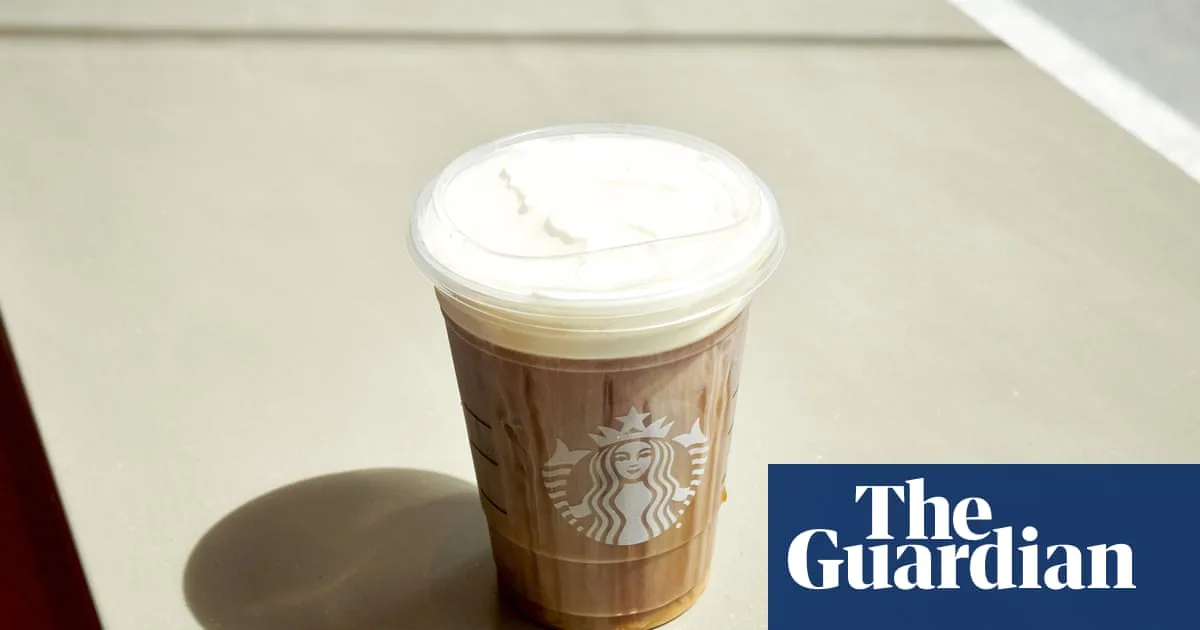
Beyond Plastics, an environmental watchdog focused on ending plastic pollution, tracked 53 Starbucks polypropylene cold plastic cups from January to March 2026 using Bluetooth trackers glued inside the cups with Gorilla Glue [1, 2]. Starbucks had announced earlier in 2026 that these single-use cups were "widely recyclable" under How2Recycle guidelines [1, 2].
However, none of the tracked cups ended up at recycling facilities. Instead, out of 36 trackers that returned usable data, 16 cups were found in landfills, 9 in incinerators, 8 in waste-transfer stations, and 3 in material recovery facilities that do not actually recycle the cups [1, 2]. Beyond Plastics director Susan Keefe said, "We tracked Starbucks’ plastic cups using Starbucks’ own in-store recycling bins, and not a single one ended up at a recycling facility" [2].
Starbucks cold drinks account for about 75% of its U.S. beverage sales, most served in these polypropylene cups [2]. While polypropylene can theoretically be recycled, very few commercial facilities have the capability. A Greenpeace report from late 2025 found only two recyclers in the U.S. can effectively process No. 5 polypropylene plastic [1].
Keefe called Starbucks’ claim that the cups are "widely recyclable" deceptive, stating, "To come out and just say: ‘Oh, these cups are widely recyclable,’ is really deceptive. We have to accept the fact these materials are not being recycled. They just aren’t" [1]. Beyond Plastics president Judith Enck said, "Accepting a plastic item for recycling is not the same as actually recycling it, and the company knows the difference. It's time for Starbucks to stop making misleading recycling claims and start prioritizing plastic-free, preferably reusable, alternatives for its customers" [2].
Beyond Plastics publicly released the investigation results on May 20, 2026, detailing the failure of Starbucks’ in-store recycling system to divert cups from waste and incineration [2].