Iran launched a Bitcoin-backed insurance service called Hormuz Safe for Iranian shipping companies and cargo owners using the Strait of Hormuz, which remains effectively closed to most commercial vessels [1, 2, 3]. The service, operational since May 16 with its website active inside Iran, offers cryptographically verifiable insurance policies with payments settled in Bitcoin, allowing fast and secure coverage for shipments traversing the Persian Gulf region [1, 2].
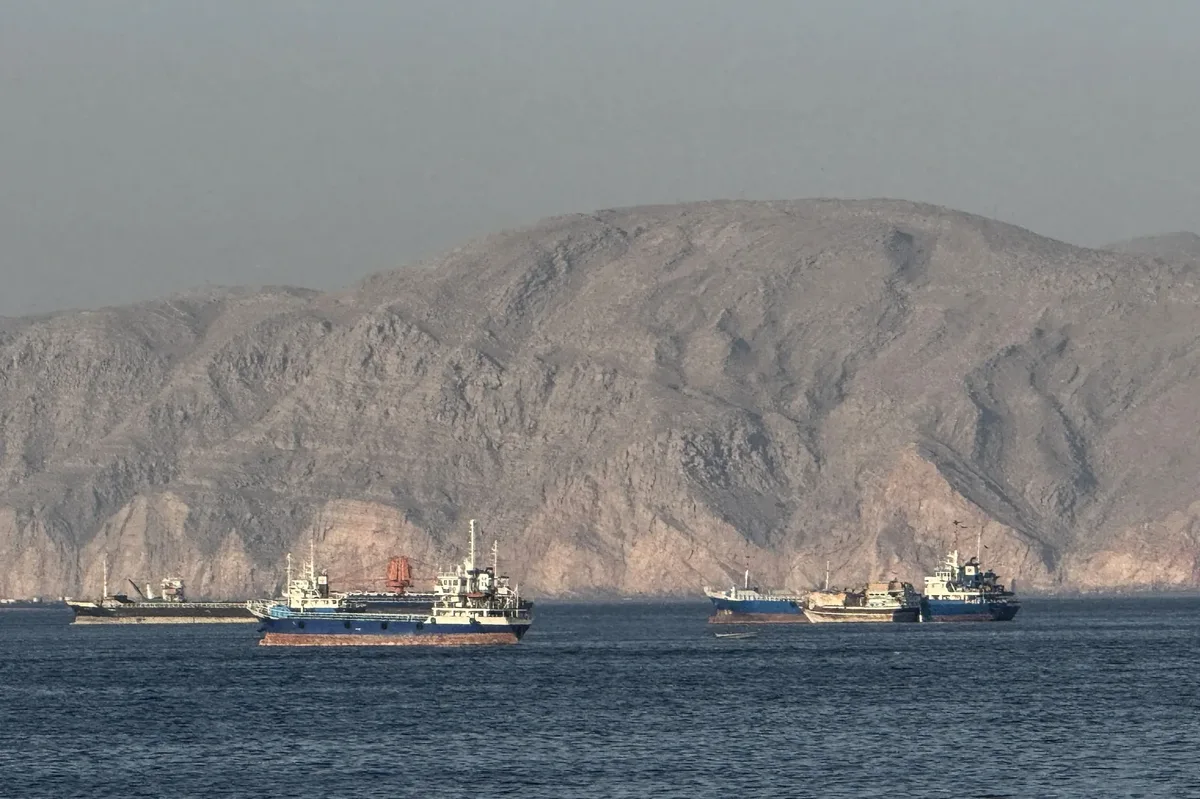
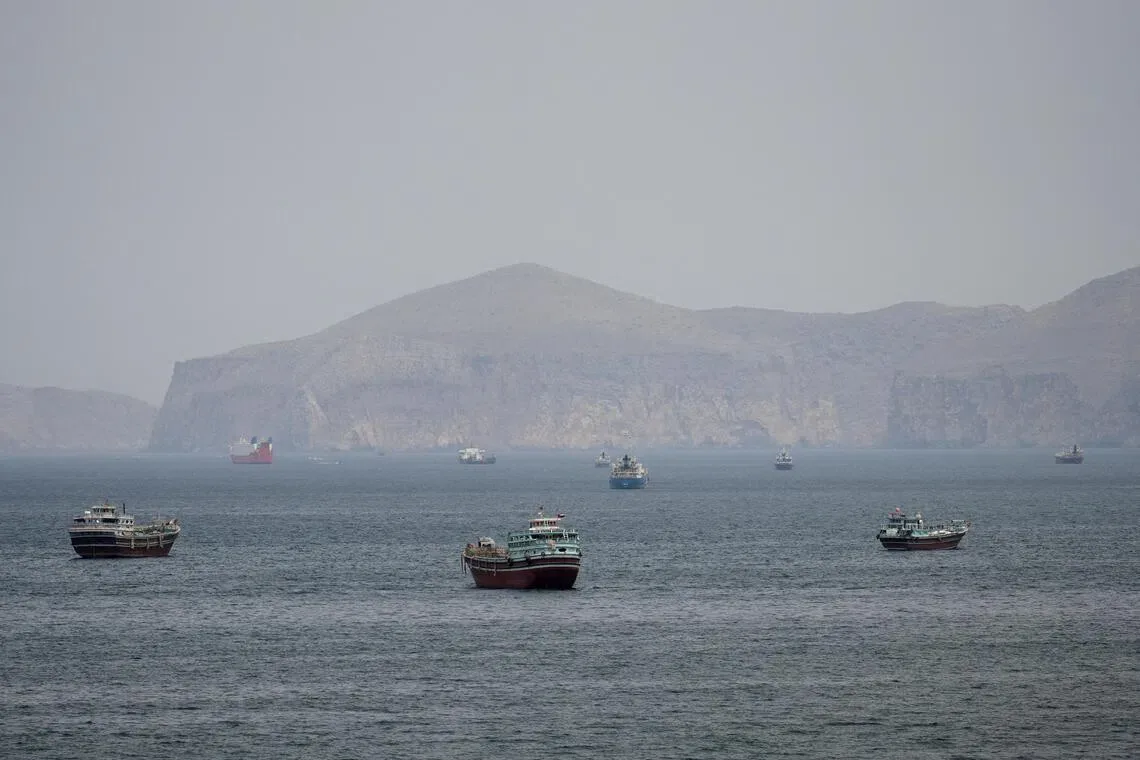
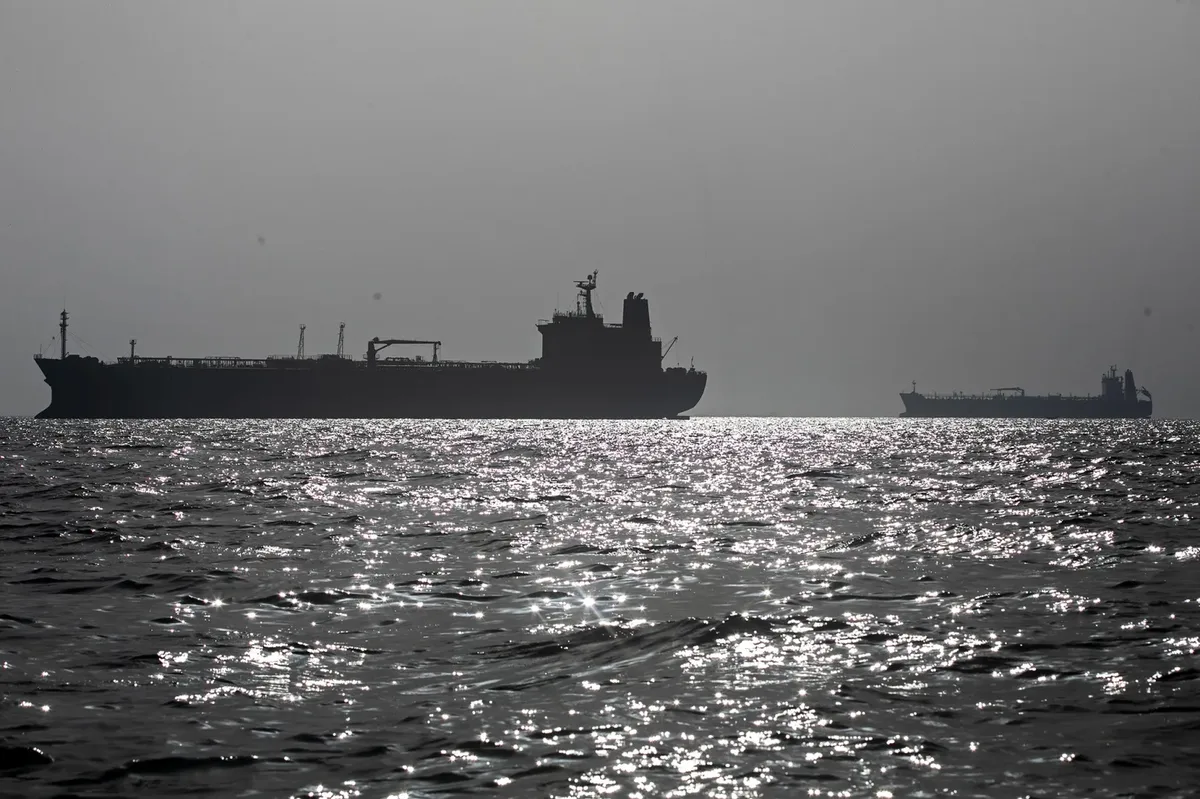
Shipping through the Strait of Hormuz has sharply declined following US and Israeli air strikes on Iran on February 28, which led to Iran’s effective closure of the strategic waterway [1]. Daily passages fell from about 11 vessels on Saturday, May 16, to just eight on Sunday, May 17, with non-Iranian vessels rarely seen [4]. The strait, through which about 20% of the world’s oil and gas passes in peacetime, is now dominated by Iranian-linked ships [4, 3]. More than 1,500 commercial vessels remain trapped in the Persian Gulf as of early May due to the closure [1].
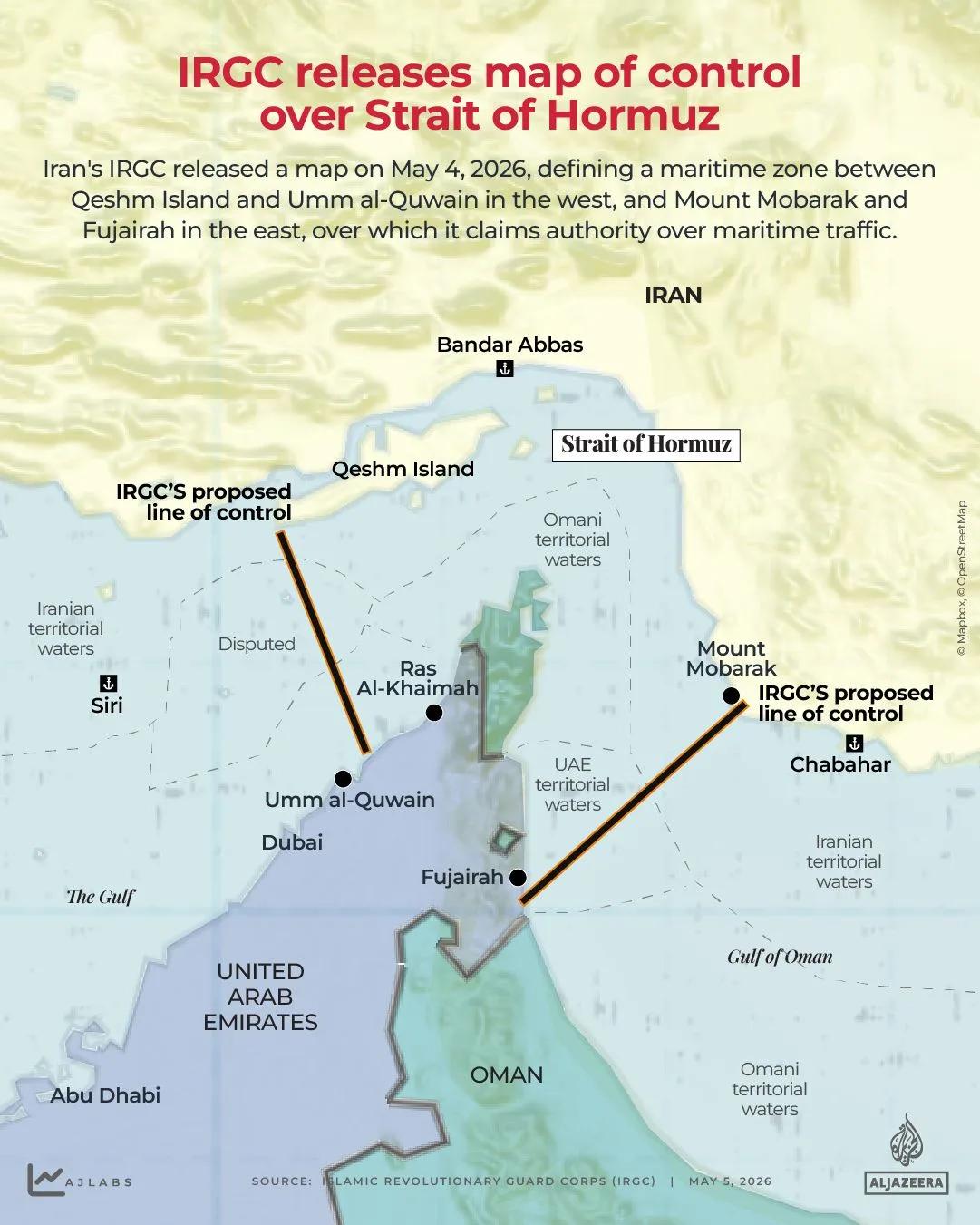
Iran has established a new entity called the Persian Gulf Strait Authority (PGSA), announced on May 18 by the Supreme National Security Council, to manage strait operations and provide real-time updates [3]. The closure and this management reflect Tehran’s control over the passage following escalated regional tensions.
Iran aims to generate over US$10 billion in revenue from the Bitcoin-backed insurance, according to Iranian reports [1]. The exact availability of Hormuz Safe insurance to foreign shipping companies remains unclear. Some sources note the service is designed primarily for Iranian shipping firms and cargo owners, while others do not specify whether foreign vessels may participate [4, 2].
Global powers including the US and China oppose any unilateral tolls or fees on ships transiting the Strait of Hormuz [3]. The evolving situation may pose challenges for international maritime traffic and global energy markets.
Meanwhile, Hormuz Safe states it "provides Iranian shipping companies and cargo owners with fast, verifiable digital insurance" and that "cryptographically verifiable insurance policies will be provided for shipments passing through the Persian Gulf, the Strait of Hormuz, and the surrounding waterways, with payments settled in Bitcoin," according to Fars news agency quoting the service's website [1, 2].