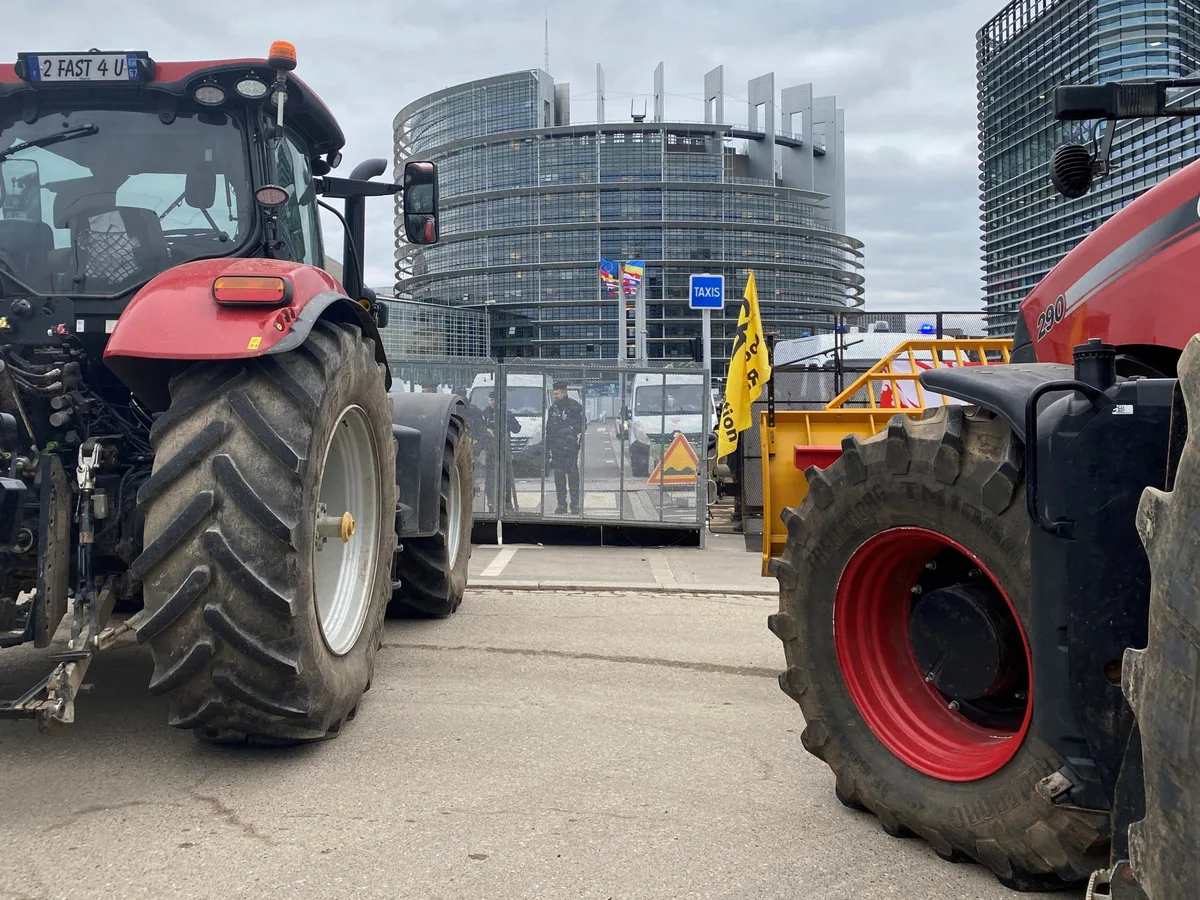
European Union agriculture ministers met in Brussels on May 27, 2026, to discuss fertiliser availability amid disruptions linked to the ongoing war involving Iran [1]. The conflict has affected shipments passing through the Strait of Hormuz, which handles about one-third of global seaborne fertiliser trade [1, 2]. The European Commission is advocating a new Fertiliser Action Plan aimed at supporting farmers facing rising fertiliser costs and reducing the bloc’s dependence on food imports [1].
Europe imports large volumes of fertiliser, including around 2 million tonnes of ammonia, 5.8 million tonnes of urea, and 6.7 million tonnes of nitrogen fertilisers in 2024 [1]. Production of nitrogen fertilisers within Europe relies heavily on imported natural gas, and rising gas prices due to tensions in the Gulf are adding to fertiliser costs on the continent [1, 2]. Despite concerns, the Middle East accounts for a relatively small share of EU fertiliser imports — approximately 3% of ammonia and 1-2% of nitrogen fertilisers [1]. Therefore, the blockade of the Strait of Hormuz has not drastically reduced supply volumes for Europe.
Fertiliser markets are more vulnerable to supply chain disruptions than oil due to their tighter regional trading patterns [2]. Other shipping chokepoints affected by the conflict include the Bab el-Mandeb Strait and the Suez Canal. These issues force shipments to take longer routes around the Cape of Good Hope, adding up to 6,000 kilometers and increasing transit times by as much as 10 days [2].
Outside Europe, large fertiliser-dependent economies such as India and Brazil are also experiencing increased food production costs and inflation because of these disruptions [2]. Israel and Jordan remain important exporters of potash and phosphate, with deposits near the Dead Sea supporting global fertiliser supply [2].
A report published on May 28 detailed impacts of the Hormuz Strait disruptions on global fertiliser markets and the challenges posed by alternative supply routes [2]. EU ministers continue discussions on measures to mitigate risks and stabilize supply in the coming months [1].