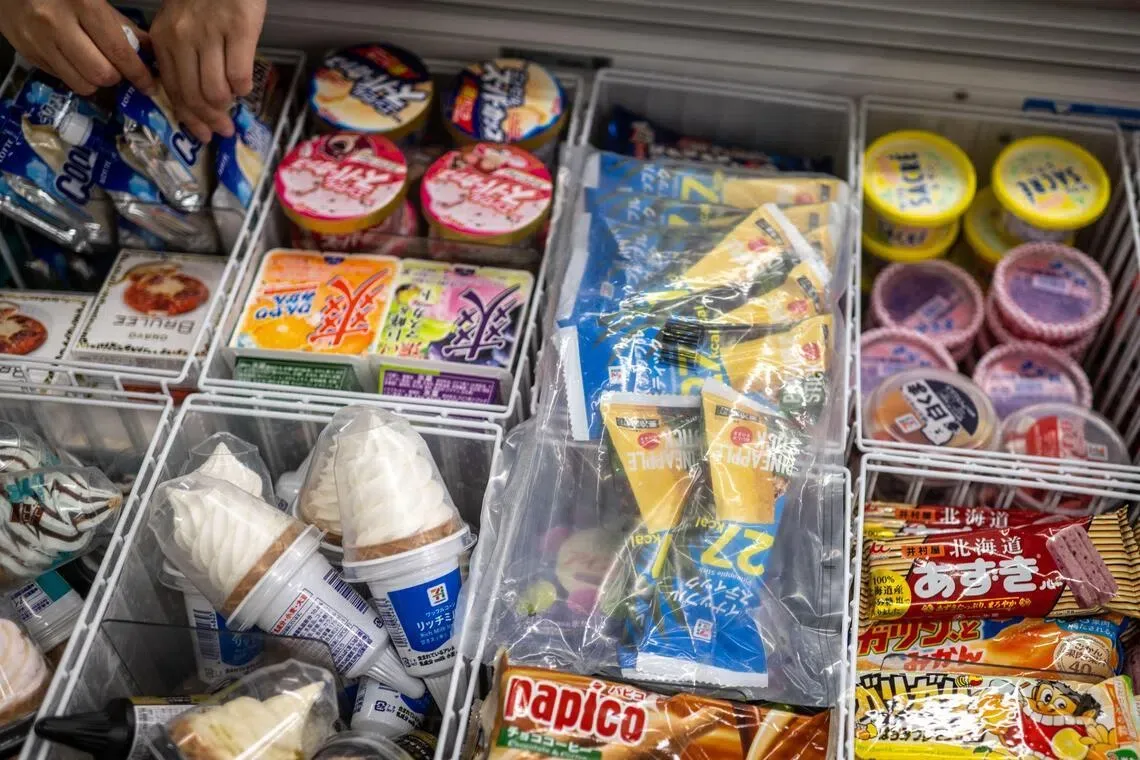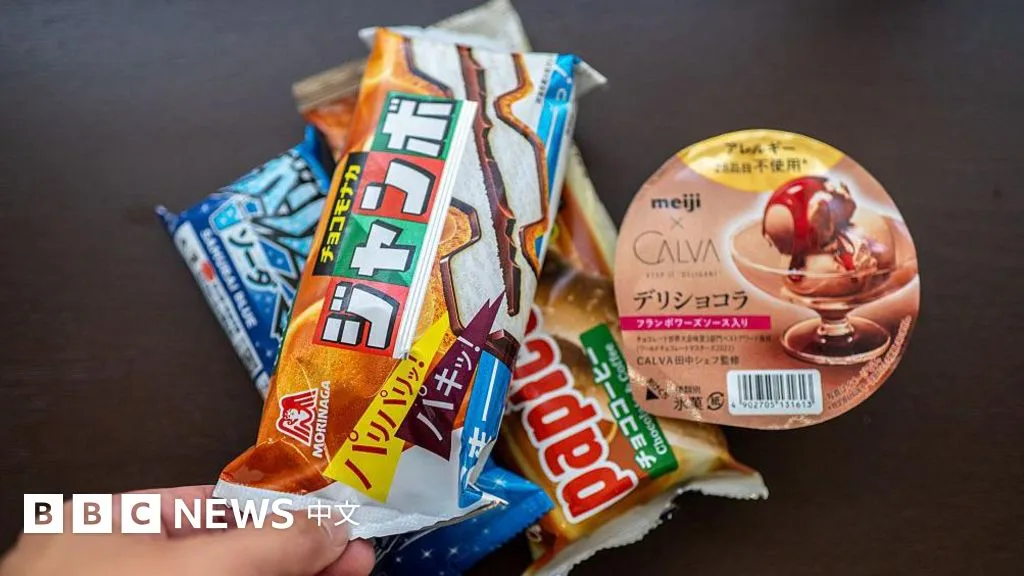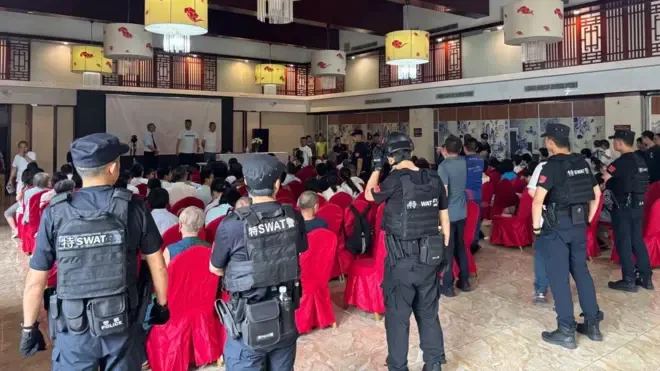
Japan's Fair Trade Commission (JFTC) conducted on-site inspections on June 16, 2026, at six major ice cream companies suspected of forming a price-fixing cartel [1, 2, 3, 4, 5, 6, 7]. The companies targeted were Meiji, Morinaga Milk Industry, Lotte, Morinaga & Co., Ezaki Glico, and Akagi Nyugyo [1, 2, 3, 4, 5, 6, 7].
The firms are suspected of colluding over several years to raise ice cream retail prices simultaneously and by similar amounts. They allegedly coordinated the timing and size of price hikes via emails and meetings, raising prices by 5-10% on popular frozen desserts beyond what raw material cost increases would justify [2, 5, 6, 8] [1, 3, 7].
These companies distribute their products wholesale nationwide to supermarkets and convenience stores across Japan [1, 3, 7]. Investigators are examining whether the firms improperly took advantage of inflation to raise prices above raw material cost rises [2, 5, 6, 8].
Meiji, Morinaga Milk Industry, and Ezaki Glico have said they will fully cooperate with the JFTC investigation. Meiji stated, "We take this inspection very seriously and will cooperate fully with the Fair Trade Commission's investigation" [1, 2, 3, 5, 6, 7]. Ezaki Glico said it will respond in good faith and cooperate fully [1]. Akagi Nyugyo’s Natsuyo Suzuki also confirmed cooperation [2].
Japan's ice cream market hit a record high in sales exceeding 660 billion yen (about 5.3 billion SGD) in the fiscal year ending March 2026, helped by the hottest summer on record in 2025 that boosted ice cream demand [2, 5, 6] [1, 2, 3, 5, 6, 7]. Since 2022, the six companies have raised prices around the same time each year, fueling suspicions of synchronized hikes [2, 5, 6, 8].
The JFTC may order the companies to improve business practices and impose fines if the cartel behavior is confirmed [2, 5, 6]. The commission has yet to release an official statement on the investigation's details [1, 3, 7].